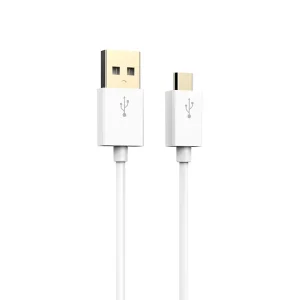
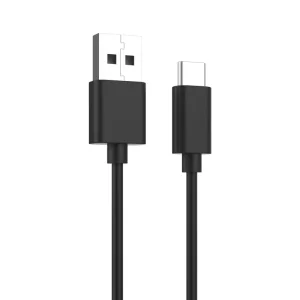
In the rapidly evolving landscape of consumer electronics and industrial automation, the synergy between USB-C physical interfaces and USB 2.0 data protocols remains a cornerstone of global manufacturing. While headlines are dominated by USB4 and Thunderbolt specifications, the reality of the global market—particularly in ODM (Original Design Manufacturer) sectors—is that USB 2.0 remains the workhorse for high-volume, cost-effective, and highly reliable connectivity.
The USB-C connector has become the universal standard, driven by EU regulations and the drive for device simplification. However, underneath this sleek physical interface, the data protocol often defaults to USB 2.0 standards for specific industrial, medical, and consumer peripheral applications. Why? It comes down to three factors: Cost-Efficiency, Electromagnetic Compatibility (EMC), and Reliability.
With a legacy dating back to 1984, Dongguan Taitron Electronics Limited stands as a testament to manufacturing resilience and technical evolution. Transitioning from Tonetron in Keelung to a powerhouse in Dalingshan, the company has spent nearly four decades perfecting the art of connectivity.
The industry is moving toward "Intelligent Connectivity." Future ODM solutions are focusing on:
A: Absolutely not. While high-bandwidth data transfers require USB 3.2 or USB4, billions of devices—keyboards, printers, basic controllers, and power adapters—do not require high-speed data. Using USB 2.0 protocols in Type-C housings allows for lower manufacturing costs and better signal stability for short-range communication.
A: Look for certification capability (CE, FCC), manufacturing scale (like Taitron’s 50,000㎡ facility), and R&D history. A partner that understands both signal integrity and physical connector durability is essential.
 Taitron Electronics