Explore our top-tier, certified hardware portfolio engineered for seamless signal integrity and high-power delivery.
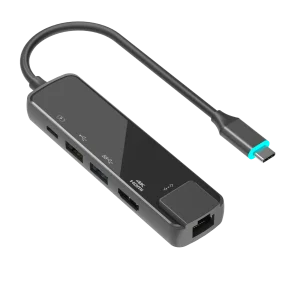
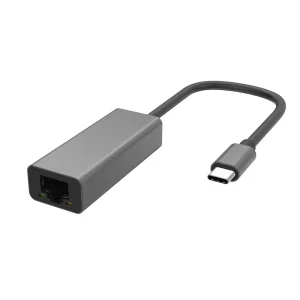
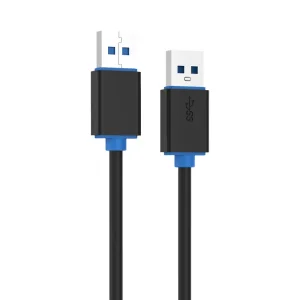
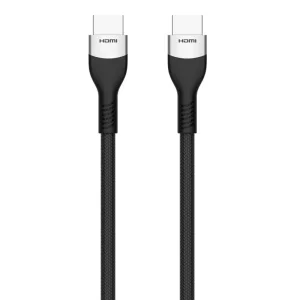
Analyzing the macroeconomic forces driving the expansion of the multi-port adapter market.
The global transition toward unified hardware interfaces has reached a critical inflection point. Driven by regulatory mandates such as the European Union's Common Charger Directive (Directive (EU) 2022/2380), consumer electronics manufacturers are systematically phasing out legacy proprietary ports. This regulatory tailwind has established the USB-C interface as the undisputed standard for power, data, and display transmission across consumer, enterprise, and industrial domains.
Modern corporate environments demand unprecedented agility. The rise of hybrid workforces has accelerated the deployment of ultra-thin laptops and tablets, which prioritize portability by minimizing physical port configurations. Consequently, the 5-in-1 multi-port adapter has evolved from an optional accessory to an essential enterprise productivity tool, bridging the gap between ultra-portable host devices and legacy peripheral infrastructures.
Beyond the corporate office, industrial sectors are integrating multi-port adapters into smart manufacturing, logistics, and edge computing nodes. By facilitating simultaneous connections to high-speed Ethernet, legacy USB-A sensors, and HDMI monitoring displays, these adapters act as compact, cost-effective integration hubs for legacy-to-modern system bridging.
A deep dive into the silicon, signaling, and thermal engineering that defines our adapter technology.
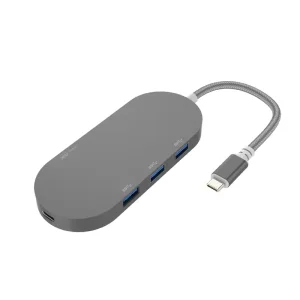
To deliver reliable, high-performance connectivity, a 5-in-1 adapter must manage complex signal routing, power distribution, and thermal dissipation within a highly constrained physical footprint. Our engineering team prioritizes three core pillars of hardware development:
High-speed data transmission (such as USB 3.0 at 5Gbps and HDMI 4K at 60Hz) generates significant electromagnetic interference (EMI) that can degrade wireless signals (specifically 2.4GHz Wi-Fi and Bluetooth). Our adapters utilize multi-layer PCB designs with dedicated ground planes and comprehensive metal shielding cages around the high-speed controller chipsets. This meticulous layout mitigates crosstalk and ensures compliance with strict FCC and CE electromagnetic compatibility standards.
Managing up to 100W of pass-through power requires robust power management integrated circuits (PMICs). Our hardware architecture features dynamic power allocation, ensuring that the host device charges at maximum safe speeds while reserving dedicated power overhead (typically 5W to 7.5W) to prevent peripheral disconnection when high-draw USB accessories are plugged in.
Converting high-voltage power and processing multi-gigabit data streams generates heat. We engineer our enclosures using aerospace-grade aluminum alloy (6000 series), which offers superior thermal conductivity compared to plastic alternatives. The internal components are coupled to the aluminum chassis via high-performance thermal pads, effectively turning the entire enclosure into a passive heatsink that maintains operating temperatures well below the 45°C threshold.
Tailored connectivity deployments engineered for specific vertical markets and operational environments.
For corporate headquarters transitioning to agile, hot-desking workspaces, standardizing on a robust 5-in-1 adapter simplifies IT deployment. Employees can connect their laptops to an external 4K monitor, corporate wired intranet, and legacy input devices via a single USB-C connection, reducing desktop clutter and minimizing support tickets related to peripheral compatibility.
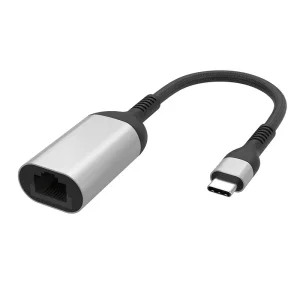
Educational institutions utilize our adapters to bridge modern student and instructor devices with legacy classroom AV equipment. The inclusion of both HDMI and reliable RJ45 Ethernet ports ensures that lectures, presentations, and interactive learning sessions proceed without connectivity interruptions or bandwidth bottlenecks.
In manufacturing environments, field technicians rely on our ruggedized adapters to interface diagnostic laptops with programmable logic controllers (PLCs), sensors, and localized display terminals. The robust aluminum housing and reinforced strain relief on the USB-C cable ensure long-term durability under harsh operational conditions.
A legacy of manufacturing excellence, engineering innovation, and global supply chain reliability since 1984.
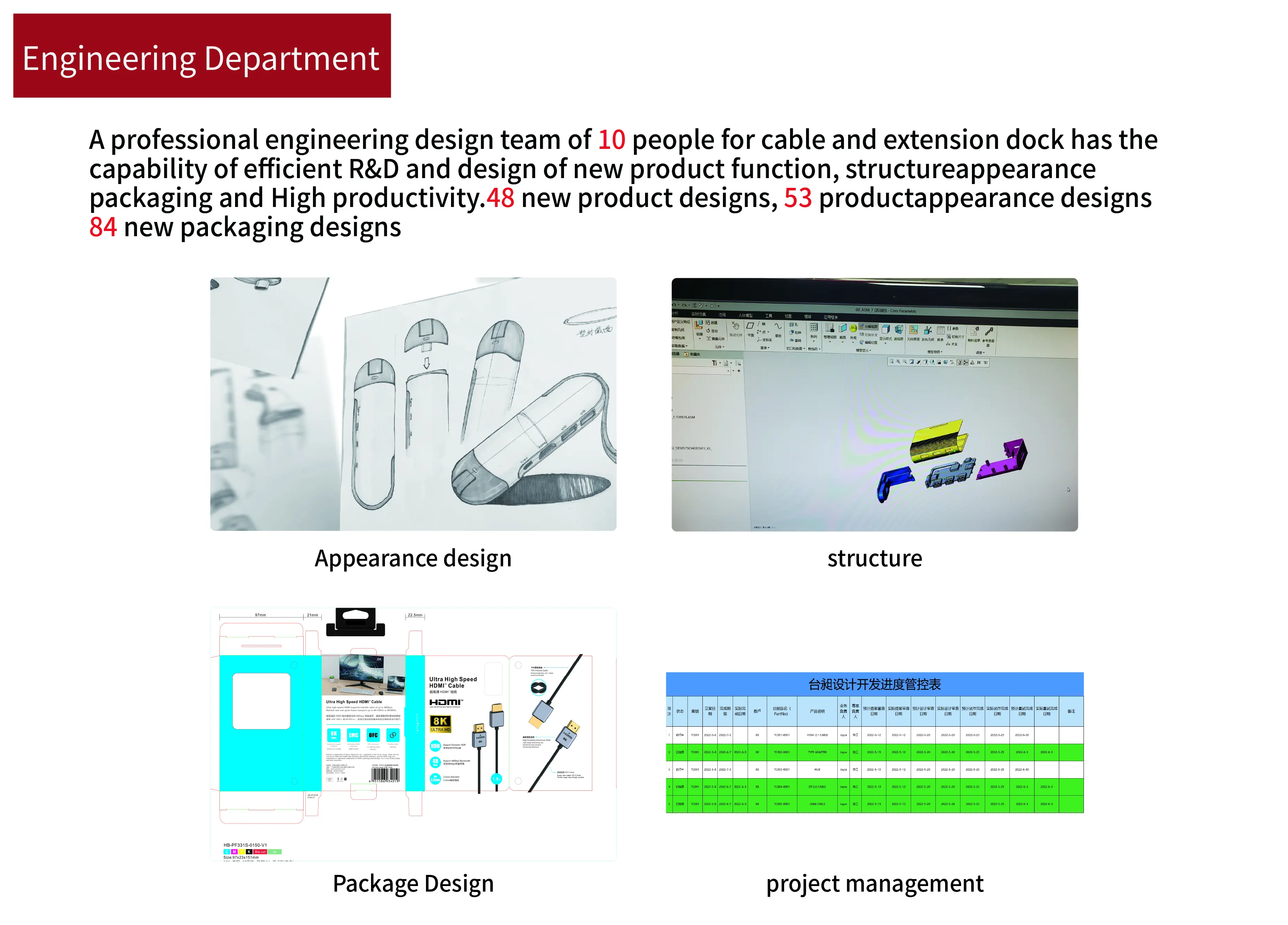
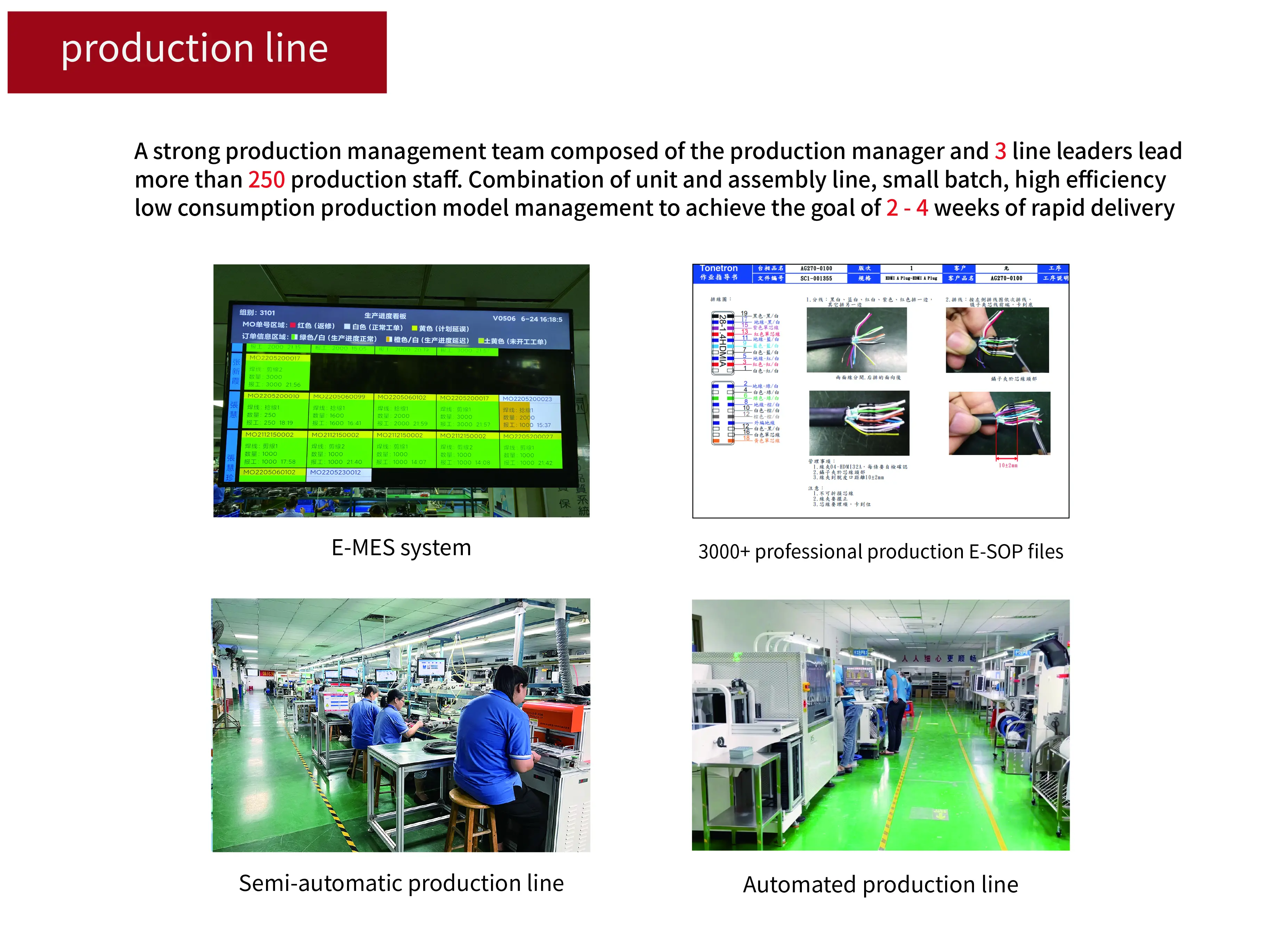
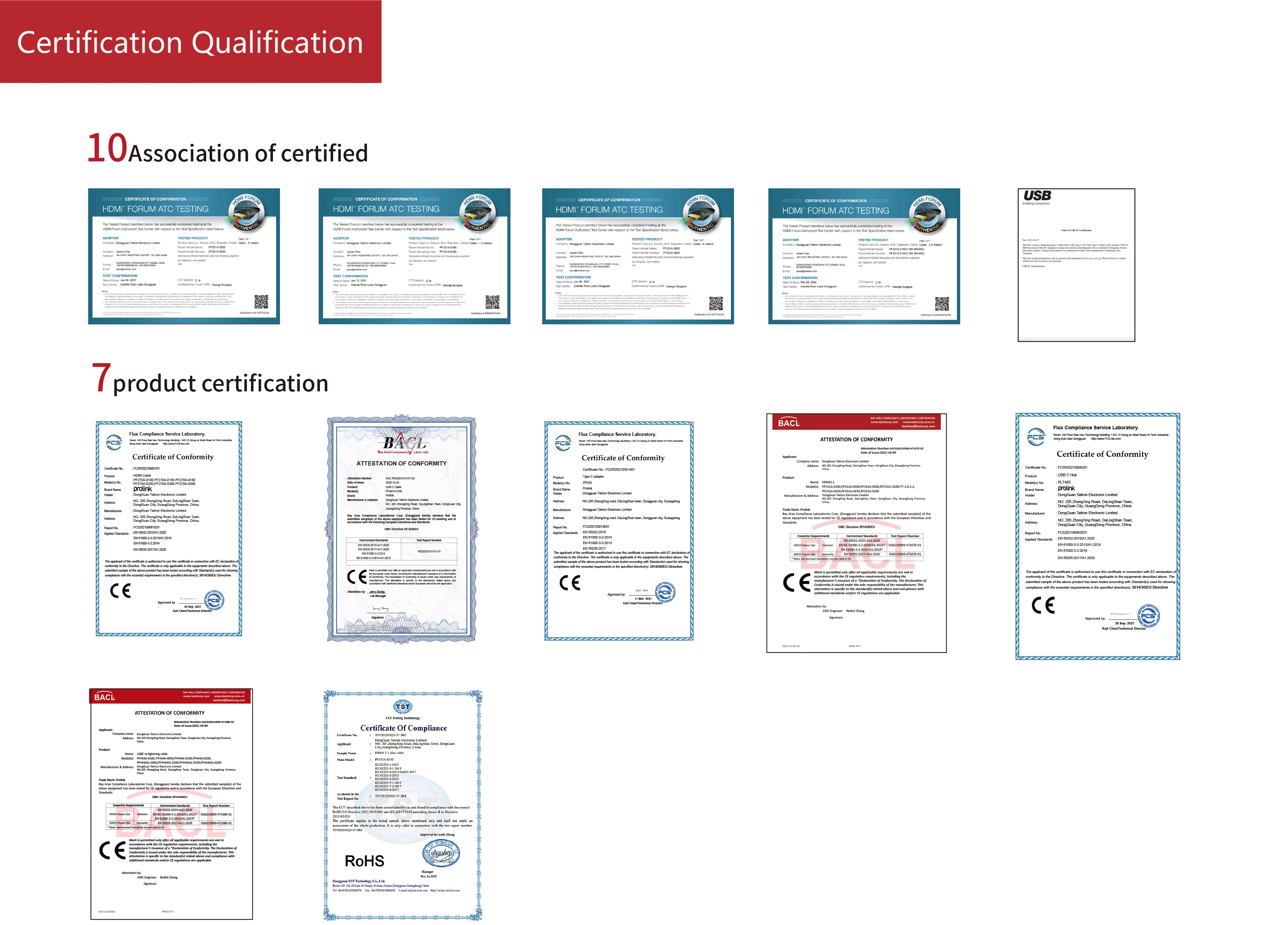
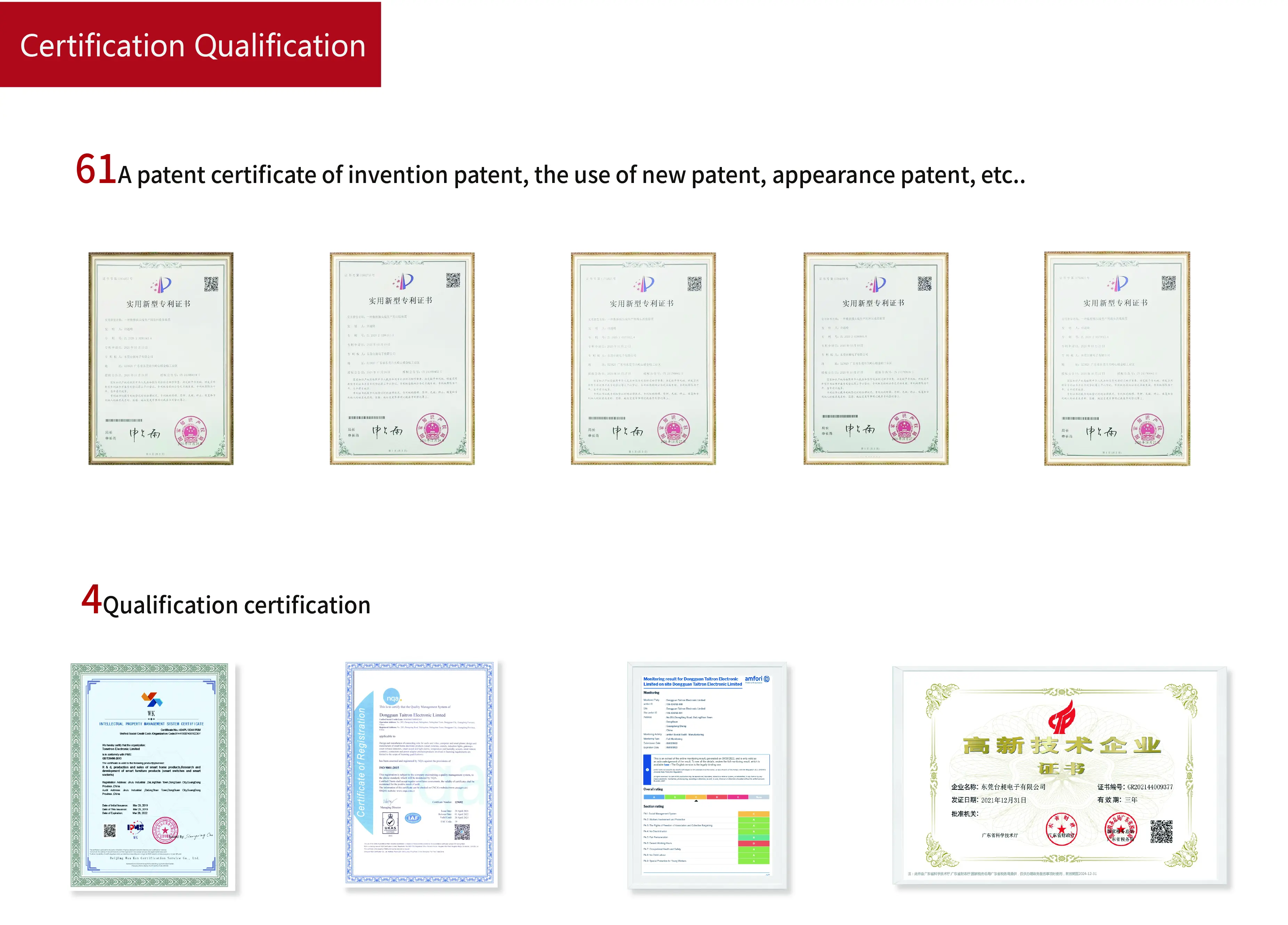
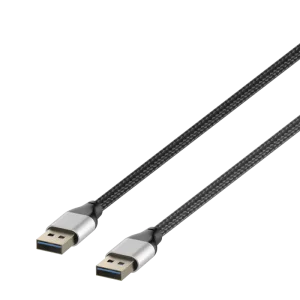
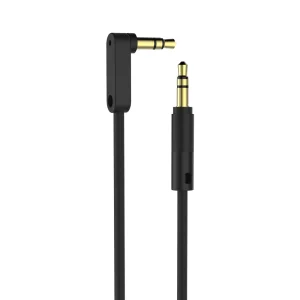
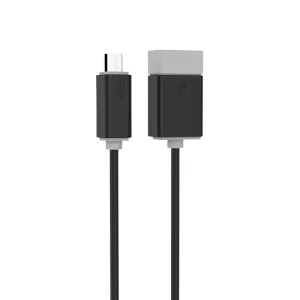
In 1984, Dongguan Taitron Electronics Limited., formerly known as Tonetron, was founded in Keelung, Taiwan. In 1993, the company strategically relocated to a self-built, independent production industrial park in Dalingshan Town, Dongguan City, Guangdong Province, China, officially establishing Dongguan Taitron Electronics Limited. Over the past 38 years, we have leveraged our foundational expertise in professional video and audio peripheral equipment connection line manufacturing to systematically expand our capabilities. Today, we are a leading developer and manufacturer of high-end audio and video cables, data cables (including HDMI 2.1, DP 2.0, USB4, USB-C 3.1 Gen2, high-power USB charging cables, 8K HD conversion cables), and multi-functional Type-C expansion docks.




Anticipating the next generation of connectivity standards and consumer demands.
As the cost of high-bandwidth silicon decreases, the next generation of 5-in-1 adapters will transition from USB 3.2 Gen 1 (5Gbps) to USB4 architectures. This shift will enable dynamic bandwidth allocation up to 40Gbps, allowing for simultaneous dual-monitor 4K output at 120Hz alongside ultra-high-speed data transfers without compromising signal integrity.
The introduction of USB PD 3.1 Extended Power Range (EPR) allows for power delivery up to 240W. Future adapter designs will incorporate EPR-compatible buck-boost controllers, enabling them to pass through sufficient power to charge high-performance gaming laptops and mobile workstations directly through the multi-port hub.
In alignment with global sustainability initiatives, our product roadmap includes the integration of post-consumer recycled (PCR) plastics and bio-based resins into our connector housings, alongside optimized aluminum recycling processes, reducing the carbon footprint of our manufacturing cycle by up to 30%.
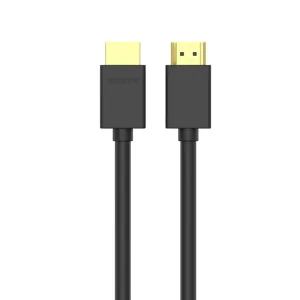
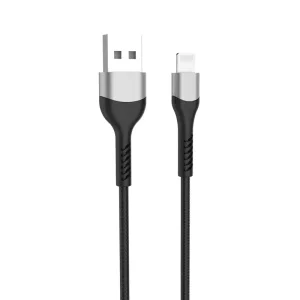
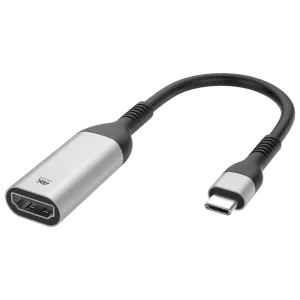
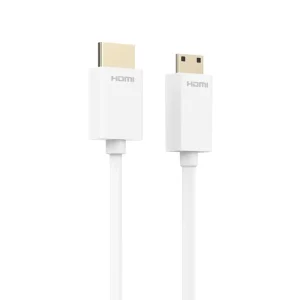
Explore our comprehensive range of high-bandwidth cables and custom OEM/ODM adapters.
Addressing critical engineering, performance, and commercial inquiries for enterprise buyers.
 Taitron Electronics