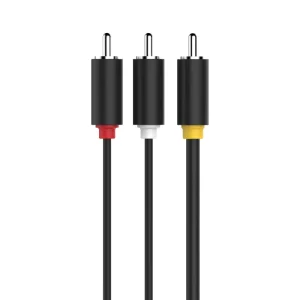
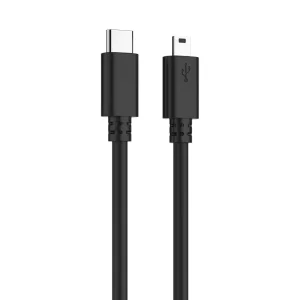
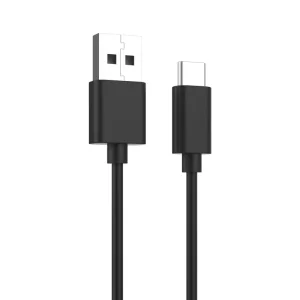
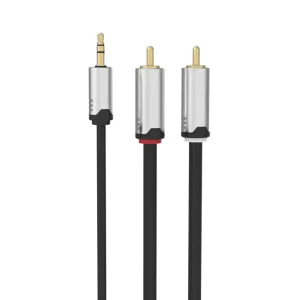
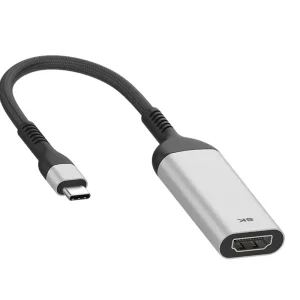
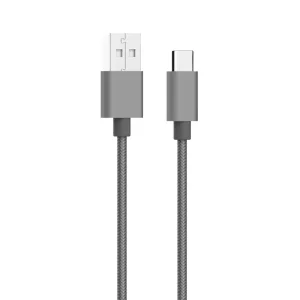
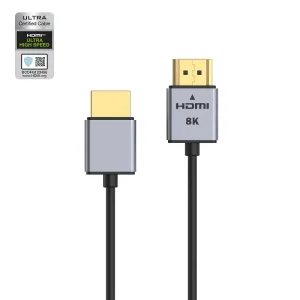
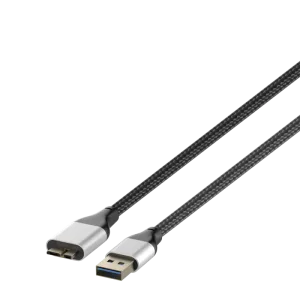
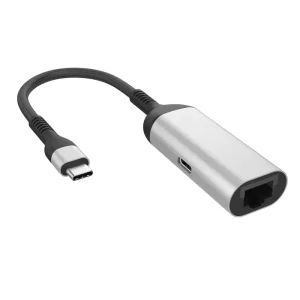
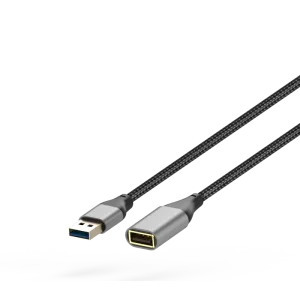
Explore our high-performance line of adapters, engineered for zero-latency network connection, high-speed data transmission, and certified industrial reliability.
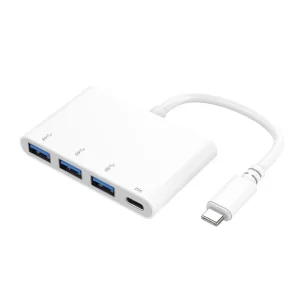
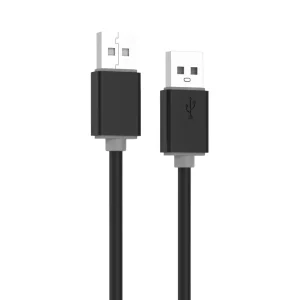
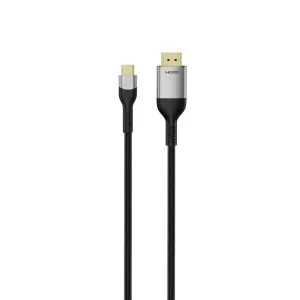
Why modern hardware environments continue to demand dedicated physical RJ45 interfaces despite widespread wireless availability.
In the contemporary digital landscape, enterprises are constantly shifting between cloud services, big data analytics, and decentralized operations. While Wi-Fi 6E and Wi-Fi 7 have introduced massive theoretical throughput, they remain inherently limited by physical barriers, electromagnetic interference (EMI), packet loss, and high latency fluctuations. For mission-critical workflows, financial transactions, smart manufacturing, and secure operations, a physical Ethernet to LAN Adapter remains the undisputed backbone of office and industrial networks.
From a user intent perspective, enterprise procurement officers and network engineers searching to *buy Ethernet to LAN adapters* are not merely looking for a basic connector. They seek structural integrity, advanced controller chipsets (such as Realtek RTL8153 or ASIX AX88179), and reliable PHY parameters that prevent packet drops. When businesses buy in bulk, they focus on long-term compatibility across operating systems (Windows, macOS, Linux, ChromeOS) and require robust hardware that guarantees a Mean Time Between Failures (MTBF) exceeding 50,000 hours.
Physical connections bypass RF interference and packet queues, dropping latency to sub-millisecond levels. This is critical for real-time terminal sync, financial trading, and IP broadcasting.
Wireless signals can be intercepted or spoofed. Wired LAN infrastructure isolates critical internal servers, ensuring sensitive intellectual property and corporate communications remain secure.
Integrated adapters combining RJ45 with USB Power Delivery (PD) allow slim devices to charge and transfer data simultaneously over a single interface, resolving desk cable clutter.
From roots in Keelung, Taiwan, to a state-of-the-art independent production park in Dalingshan Town, Dongguan, China.
Founded in 1984 as Tonetron in Keelung, Taiwan, our organization began with a strong focus on professional video and audio peripheral equipment connection lines. Through tireless innovation and dedication to quality, we relocated our manufacturing footprint in 1993, establishing a self-built, independent production industrial park in Dalingshan Town, Dongguan City, China. At this stage, our name was formally updated to Dongguan Taitron Electronics Limited.
For nearly four decades, we have optimized our capabilities, expanding from basic AV connectivity lines to advanced, high-bandwidth data applications. Today, our engineering divisions focus heavily on R&D and manufacturing of high-end data structures including HDMI 2.1 cables, DP 2.0 cables, USB4 data cables, USB-C 3.1 Gen2 data systems, high-power USB charging interfaces, 8K HD conversion cables, and multi-functional Type-C expansion docks.
Our operation is built to support massive ODM and OEM requirements, servicing brands, industrial suppliers, and system integrators worldwide with reliable components, rapid custom turnaround, and verified performance.

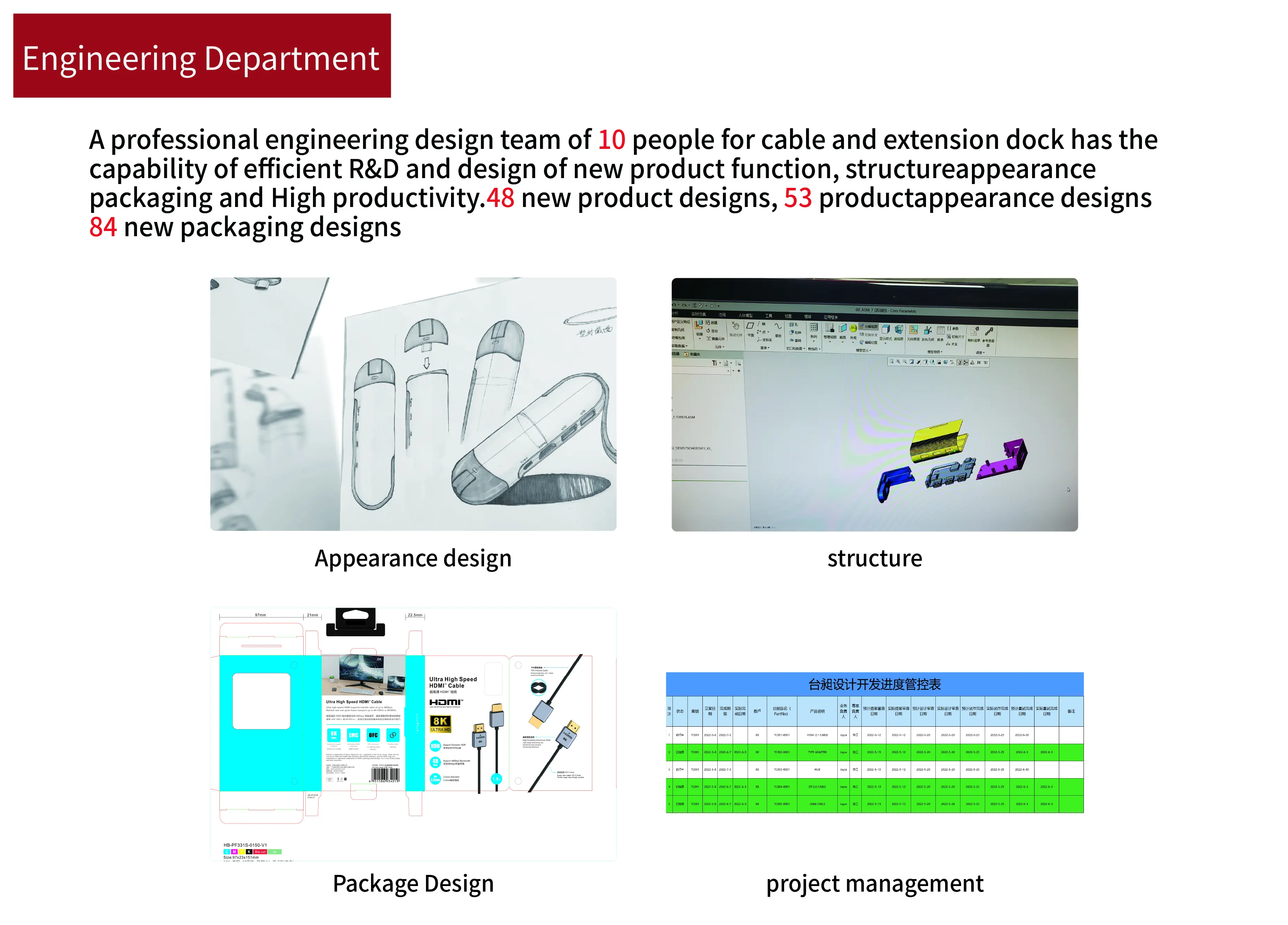



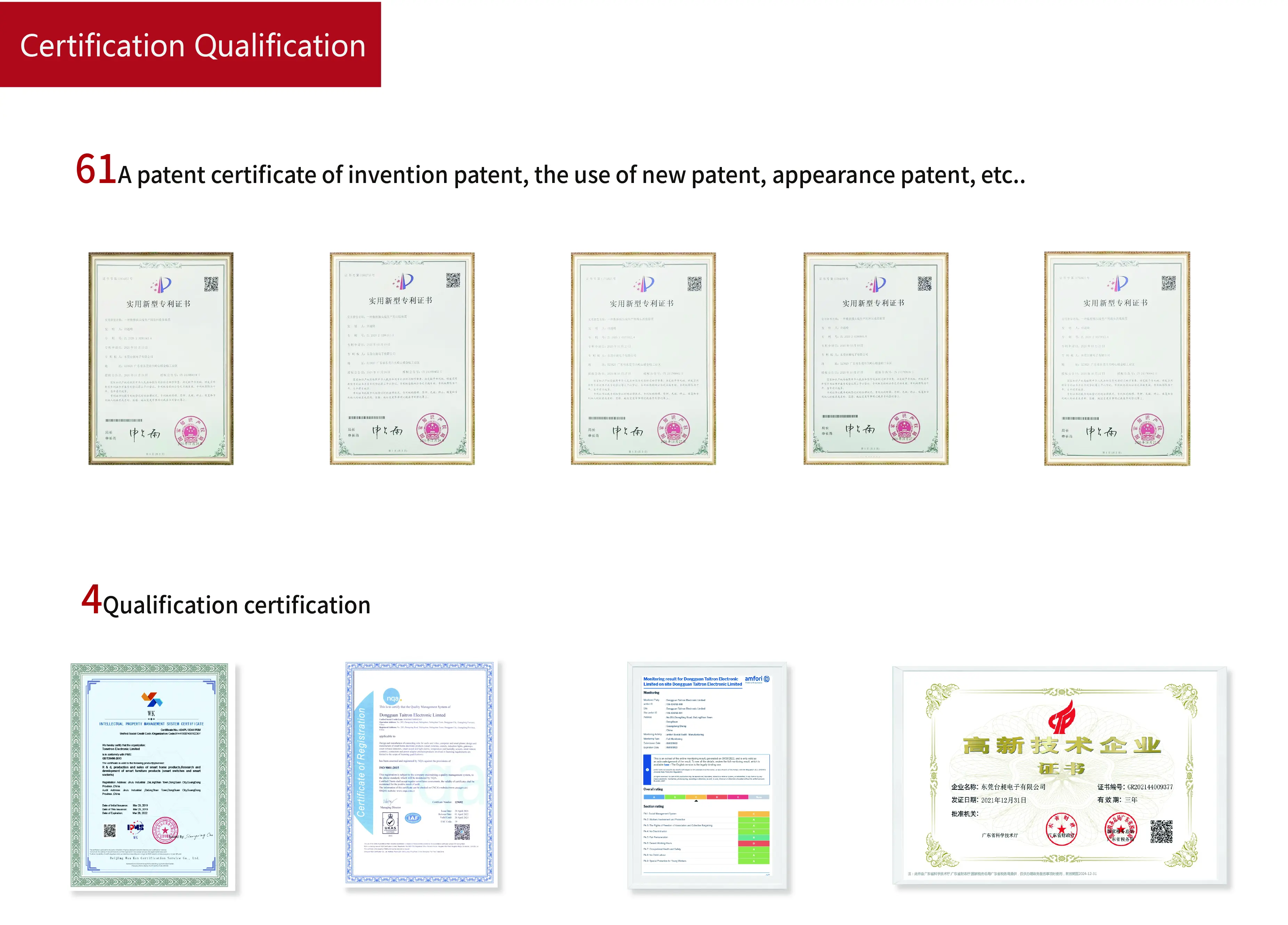
Production Area
Large-scale industrial footprint in Dongguan
Registered Capital
Solid financial backing and business stability
Employees
Highly trained technicians & R&D engineers
Annual Turnover
Proven supplier capability and scale
Product Delivery
Optimized supply chain for rapid logistics
New R&D Leadtime
From conceptual design to physical tooling
Active Intellectual Property
Proprietary structural and signal designs
Production Scale
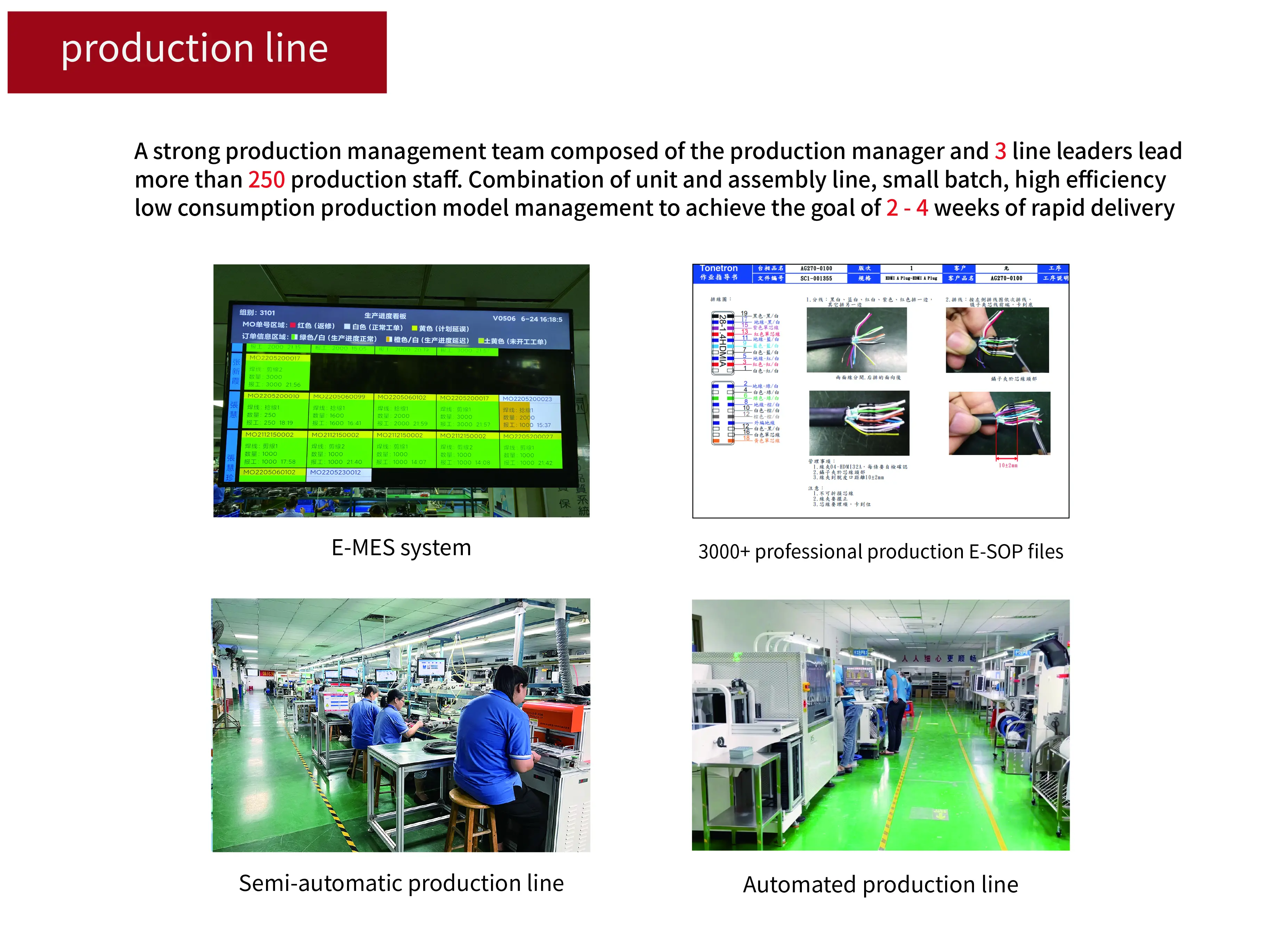
Parallel assembly lines running SMT & molding
Why procurement from the Dalingshan industrial ecosystem offers unmatched advantages in speed, materials, and cost.
All essential raw components, including high-purity copper, aluminum shielding, PVC coatings, and precision PCB matrices, are sourced within a 15km radius, minimizing logistics delays.
Taitron manages the entire lifecycle. From initial CAD file approval to mold injection, CNC machining, and automated high-frequency soldering, we ensure no external dependency delays delivery.
Our factory houses state-of-the-art Surface Mount Technology lines. This allows precise positioning of PHY controller microchips onto physical printed circuit boards, reducing manual assembly errors.
Dongguan's Dalingshan Town is globally recognized as a premier electronics manufacturing hub. This concentration of technology offers significant advantages to international procurement offices. Rather than dealing with fragmented suppliers across different geographic regions, working with a centralized, fully integrated manufacturer like Dongguan Taitron ensures seamless operations. Our proximity to major shipping ports in Shenzhen and Guangzhou enables efficient ocean and air freight routing, ensuring our 2-3 week lead times are consistently maintained.
Additionally, our 38 years of manufacturing history have allowed us to optimize labor efficiencies, lower waste through automated assembly, and leverage massive purchasing power for components like chipsets, cables, and connectors. These savings are directly passed to our clients, ensuring competitive pricing without sacrificing the build quality required to pass stringent import checks.
Navigating technical certification landscapes, import regulations, and environmental standards across North America, Europe, and Asia-Pacific.
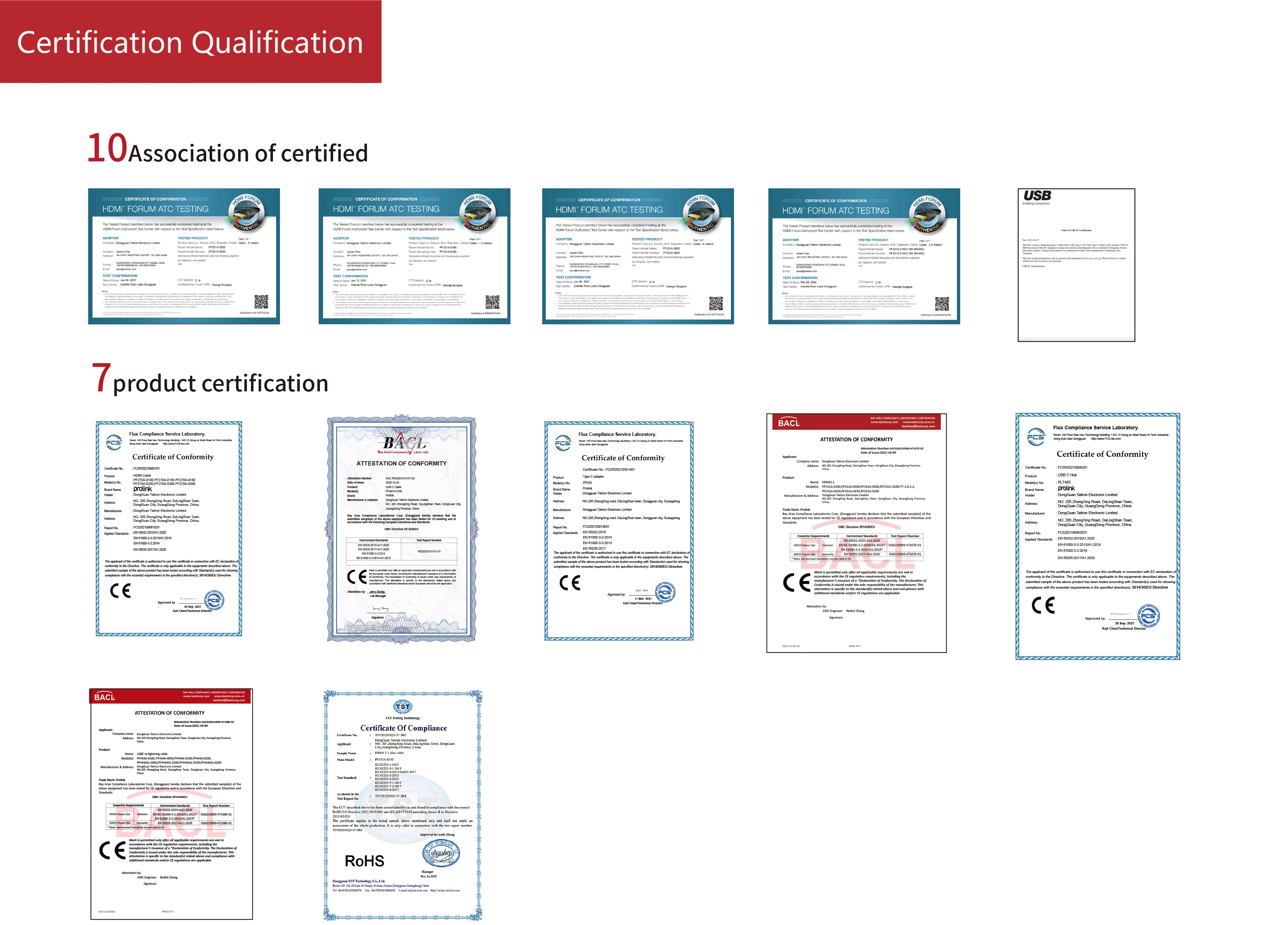
When purchasing managers seek to *buy Ethernet to LAN adapters*, regional compliance is a major operational risk factor. Failure to source products that meet necessary local specifications can lead to Customs seizures, environmental fines, or system integration failures. At Dongguan Taitron, we integrate localized compliance checks directly into our production workflow, guaranteeing that our components are ready for deployment in complex enterprise environments worldwide.
Ensures compliance with European health, safety, and environmental protection standards. Crucial for EU market penetration and public sector tenders.
Limits electromagnetic interference. Verifies that high-frequency radiation from internal chip oscillators doesn't disrupt local networks.
Confirms that all plastics, solder, shielding, and PCB components are free of hazardous materials, supporting sustainable procurement goals.
As a certified HDMI adopter, our multifunction adapters and cables are tested to ensure signal integrity for high-bandwidth video and audio.
In addition to certifications, physical build specifications must match local environment parameters. For cold-storage logistics centers or industrial steel mills, adapters must handle wide operating temperature ranges (-10°C to 60°C). For standard corporate offices, design elements like compact form factors, aluminum shielding for heat dissipation, and strain-relief boots to prevent internal copper breakage are paramount. By selecting the correct physical characteristics, enterprise clients prevent long-term maintenance costs and network downtime.
From smart offices and edge servers to automation lines, our adapters are designed for challenging real-world environments.
Ultrabooks lack physical RJ45 ports. A USB-C multi-function adapter bridges the gap, offering high-speed network connectivity and charging in hot-desking setups.
In manufacturing, legacy machinery must interface with modern diagnostic laptops. Our adapters provide stable links to PLCs despite high electromagnetic noise.
Live events and remote learning demand continuous uploads. A wired connection prevents the packet drops and sync issues common with wireless links.
In high-density office buildings, dozens of wireless networks create severe channel overlap and interference, degrading bandwidth. In these environments, providing workers with an Ethernet connection via USB or Type-C adapters restores full throughput and keeps productivity high. In clinical environments like healthcare, wired connections are essential to transmit high-resolution diagnostics quickly, while ensuring patient records remain protected under local privacy laws (like HIPAA or GDPR).
Where the connection interface market is heading over the next decade.
The network connectivity industry is undergoing rapid changes. As data-intensive applications like real-time 3D rendering, machine learning training, and high-bitrate video editing become standard, traditional Gigabit Ethernet (1Gbps) speeds are showing signs of bottlenecking. We are seeing a major shift towards Multi-Gigabit Ethernet Adapters supporting 2.5Gbps, 5Gbps, and even 10Gbps over copper lines.
Simultaneously, the development of USB4 and Thunderbolt 4 technologies has changed interface design. These high-speed protocols enable dynamic bandwidth allocation, allowing a single cable to transfer 40Gbps of video, data, and power simultaneously. This creates opportunities for next-generation USB-C adapters that integrate 2.5G Ethernet, dual 8K display outputs, and high-wattage charging bypass into compact, highly mobile formats.
Upgrading network infrastructure from 1Gbps to 2.5Gbps or 5Gbps over standard Cat5e or Cat6 cabling, maximizing throughput without costly rewiring.
Supporting up to 240W power delivery bypass, allowing high-performance laptops and mobile workstations to charge directly through the network adapter.
Using thermal dissipation pads, aluminum alloys, and airflow designs to manage the heat generated by high-speed PHY controllers, extending product lifespans.
Addressing core questions regarding compatibility, chipset architecture, and structural features.
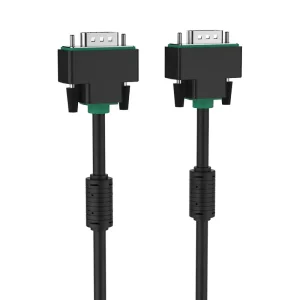
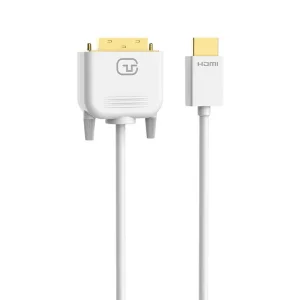
Complete your deployment with our range of high-speed digital AV cables, custom interfaces, and reliable connection adapters.
 Taitron Electronics