Explore our core engineering catalog featuring advanced high-speed network interfaces, micro-converter architectures, and industrial cabling assemblies.
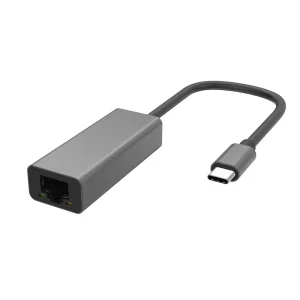
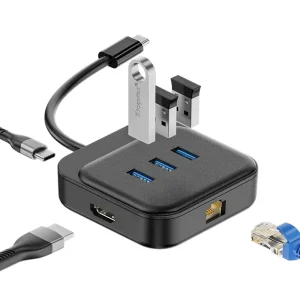
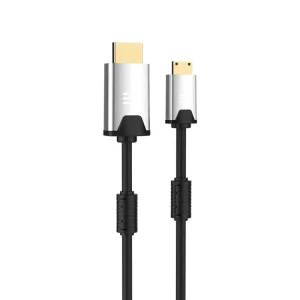
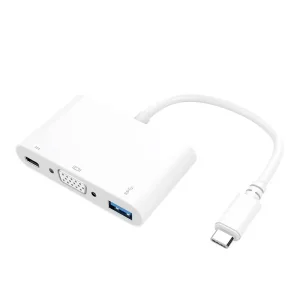
A comprehensive technological roadmap detailing PHY chipset integration, MAC address programming, thermal dynamics, and enterprise hardware design protocols.
In an era dominated by high-bandwidth clouds and decentralized IoT infrastructures, the reliability of local area connections remains the foundation of enterprise stability. As laptops, thin clients, and edge nodes shed physical RJ45 interfaces, high-performance USB to Ethernet LAN adapters have shifted from convenient accessories to mission-critical infrastructure components.
At the heart of every elite LAN adapter lies its Physical Layer (PHY) controller and Media Access Control (ASIC) engine. Industry-standard solutions utilize advanced silicon architectures such as the Realtek RTL8153/RTL8156 or the ASIX AX88179A. These chipsets manage analog-to-digital domain conversions at sub-microsecond latencies.
By integrating hardware-level IP/TCP/UDP checksum offloads, our adapters reduce host CPU load by up to 15%, routing raw frame buffers directly to the system memory cache. Additionally, our firmware design incorporates Energy-Efficient Ethernet (IEEE 802.3az), dynamically scaling energy use during low-activity intervals without interrupting the physical link.
Operating high-speed Ethernet interfaces in close proximity to USB 3.0/3.1 buses poses severe radio frequency interference (RFI) challenges, particularly at 2.4GHz frequencies. To counter this, our manufacturing guidelines require multi-layer PCB stack-ups with dedicated ground planes.
Our structural engineering features:
Global IT deployments demand consistency across hardware iterations. Enterprise system integrators require LAN adapters to display consistent MAC addresses, pass through PXE boot (Preboot Execution Environment) parameters, and maintain standardized Vendor ID (VID) and Product ID (PID) records.
Dongguan Taitron Electronics addresses this by offering specialized chip-flashing customization. During high-volume SMT stages, we can hard-code client-specified MAC ranges and proprietary descriptors directly into the adapter's non-volatile memory (EEPROM). This guarantees immediate compatibility with automated corporate deployment tools like Microsoft SCCM and MDT.
Beyond simple office work, Ethernet adapter pipelines cater to various vertical industries:
As internet access speeds climb and Wi-Fi spectrums face signal congestion, wired connections remain crucial. The transition from 1Gbps to 2.5Gbps (2.5GBASE-T) and 5Gbps copper connectivity shapes the technical roadmap.
We are designing the next generation of LAN converters around the USB4 and Thunderbolt 4 specifications, allowing native PCIe pass-through. This architecture handles multi-gigabit speeds and power delivery (PD) over a single interface. Future designs will also incorporate eco-friendly, halogen-free insulation materials and automated thermal throttling to ensure steady operation.
| Chipset Model | Host Bus Interface | Ethernet Link Speed | Wake-on-LAN (WoL) | PXE Boot & MAC Pass | Ideal Application Scenario |
|---|---|---|---|---|---|
| Realtek RTL8153 | USB 3.0 / USB-C | 10/100/1000 Mbps | Supported (V1/V2) | Supported (OEM Firmware) | Corporate Thin Clients & Workstations |
| ASIX AX88179A | USB 3.0 / USB-C | 10/100/1000 Mbps | Supported (Low Power) | Supported (Native Kernel) | Cross-platform macOS / Linux Systems |
| Realtek RTL8156B | USB 3.1 Gen 2 / Type-C | 100/1000/2500 Mbps | Supported | Optional Customization | High-Performance NAS & Media Stations |
| Intel I225-V (Custom) | PCIe to USB-C Bridge | 100/1000/2500 Mbps | Supported (Hardware) | Full Intel Boot Agent | Industrial Systems & Edge Computations |
A history of hardware innovation, modern production capacity, and strict quality control systems.
In 1984, Dongguan Taitron Electronics Limited (formerly known as Tonetron) was established in Keelung, Taiwan. To meet growing global demands, the company moved in 1993 to a self-built industrial park in Dalingshan Town, Dongguan City, China.
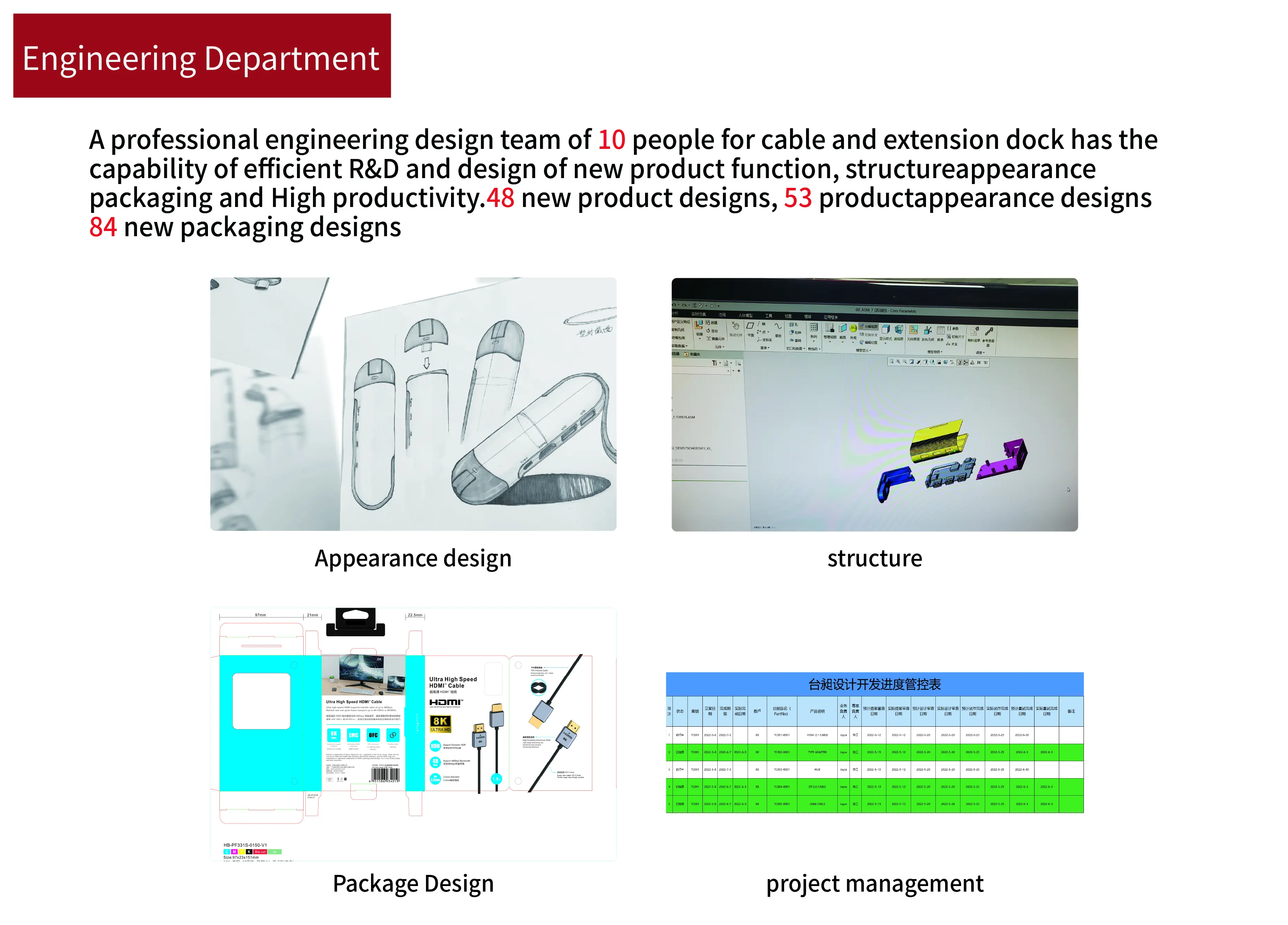
Backed by 38 years of experience in connecting systems, we have grown from basic audio-video assemblies to advanced high-end products. Today, our research and manufacturing teams produce HDMI 2.1, DP 2.0, USB4, USB-C 3.1 Gen2, high-power charging cables, 8K adapters, and multi-functional Type-C docking stations.




Get answers to common hardware integration questions, driver setups, standard regulations, and OEM/ODM processes.
Most modern operating systems, including Windows 10/11, macOS, and standard Linux kernels, include built-in drivers for controllers like the Realtek RTL8153 and ASIX AX88179A. This enables plug-and-play operation for end users. For legacy systems, custom embedded systems, or secure corporate configurations, drivers can be preloaded or injected during initial PXE deployment.
ABS plastic cases are lightweight and cost-effective, making them popular for desktop office accessories. However, aluminum enclosures offer superior heat dissipation, which is crucial for 2.5G and 5G network chips that run warm under constant load. Aluminum also provides better natural shielding against electro-magnetic interference (EMI), helping protect close-range wireless signals.
Yes. We offer customization options, including flashing custom Vendor IDs (VID) and Product IDs (PID), configuring unique MAC address blocks, and adjusting power-saving sleep parameters. All customizations are flashed during SMT assembly and validated using automatic test profiles.
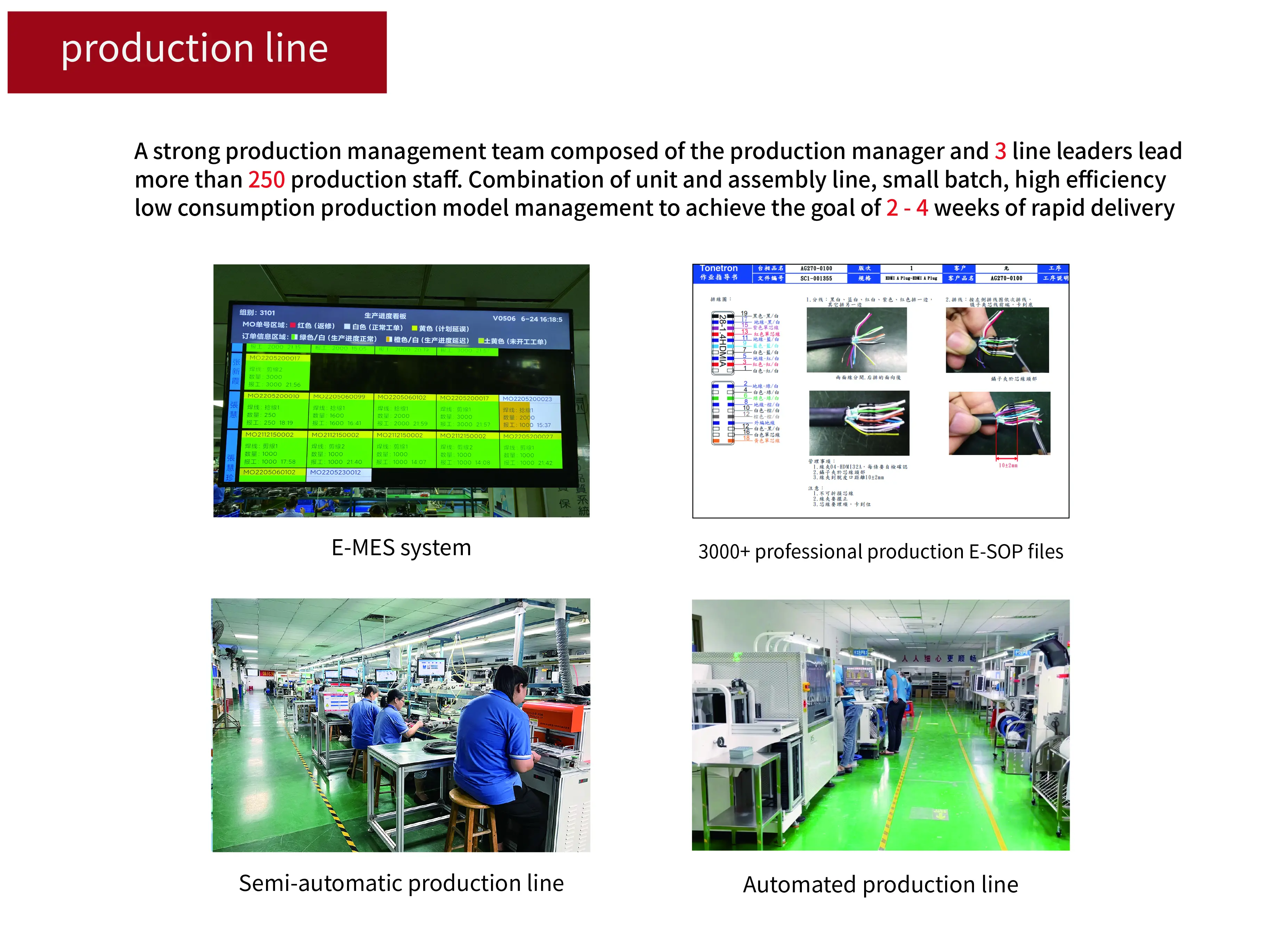
Every batch goes through multi-stage QC: Solder Paste Inspection (SPI), Automated Optical Inspection (AOI) post-reflow, high-frequency network analyzers to check signal integrity, physical load tests on ports, and full functional tests on different platforms.
Explore our industrial-grade adapter catalog, designed for high durability and performance across corporate network nodes.
 Taitron Electronics