High-speed data networks, certified industrial protocol compliance, and resilient structural cables configured for localized commercial integration.
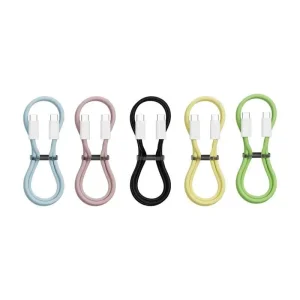
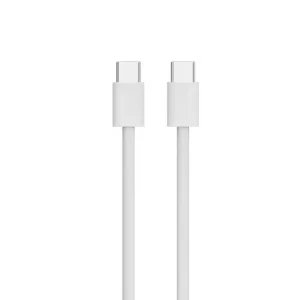
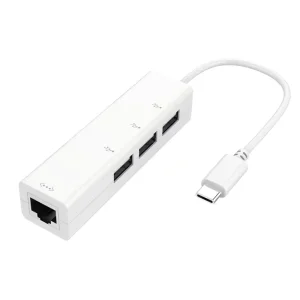
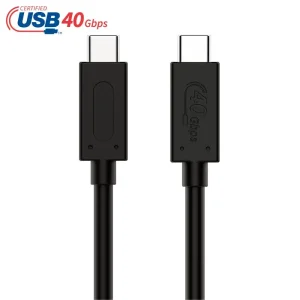
Equatorial Guinea is entering a definitive phase of economic diversification and digital infrastructure modernization. Historically anchored by its hydrocarbon wealth concentrated around the Bioko Island (Malabo) and the continental Rio Muni region (Bata), the government’s Agenda de Diversificación Económica has increasingly highlighted the imperative of developing robust information and communication technology (ICT) ecosystems.
As telecom operators scale up their regional bandwidth capacities utilizing undersea cables such as CEIBA-1 and the Africa Coast to Europe (ACE) system, the demand for localized hardware infrastructure—including commercial-grade cabling, interface adapters, and high-speed data transmission lines—has spiked. Standard consumer cables fall short when deployed in the high-humidity, high-salinity maritime environments characteristic of the Gulf of Guinea.
High-salinity maritime zones accelerate copper oxidization. Under tropical conditions (temperatures averaging 26°C–32°C with humidity exceeding 85%), physical-vapor deposition (PVD) gold-plated pins and thermoplastic elastomer (TPE) or double-braided nylon outer jackets are critical to prevent signal degradation and connector crystallization.
Globally, industrial procurement is moving systematically toward consolidating power, data, and video transmission into a single pipeline. The rise of USB Power Delivery (PD 3.0 / EPR up to 240W) and the universal adoption of Type-C standards mean that procurement managers can streamline inventory from multiple legacy configurations down to a core set of multi-functional cables.
However, transitioning infrastructure requires specialized OEM partners. A standard consumer cable cannot withstand the thermal load of constant 100W energy delivery or maintain the impedance consistency required for 40Gbps data streams over extended cycles. Dongguan Taitron Electronics addresses this vulnerability by deploying high-spec E-marker IC chips and integrated co-axial layouts that guarantee signal integrity and safe thermal distribution.
| Parameters / Standard | USB 3.1 Gen 2 (100W) | USB4 (40Gbps) | HDMI AOC (Active Optical) |
|---|---|---|---|
| Maximum Bandwidth | 10 Gbps | 40 Gbps | 48 Gbps (HDMI 2.1) |
| Power Transmission | Up to 100W (20V / 5A) | Up to 240W (EPR Mode) | Self-powered by source VCC |
| Max Length (Copper) | 2.0 Meters | 0.8 Meters | Not applicable (Optical) |
| Optical Range (AOC) | N/A | N/A | Up to 100 Meters |
| EMI Protection | Mylar + Tinned Copper Braid | Dual-Layer Shielding | Inherent optical immunity |
Translating 38 years of advanced audio-visual and data transmission cable engineering into highly reliable bulk supplies for Equatorial Guinea's enterprises.
Founded in 1984 in Keelung, Taiwan, as Tonetron, we migrated our central production facilities to a dedicated high-capacity industrial park in Dalingshan Town, Dongguan City, mainland China in 1993. This strategic move enabled us to pioneer specialized manufacturing lines capable of maintaining consistent quality at massive economies of scale.

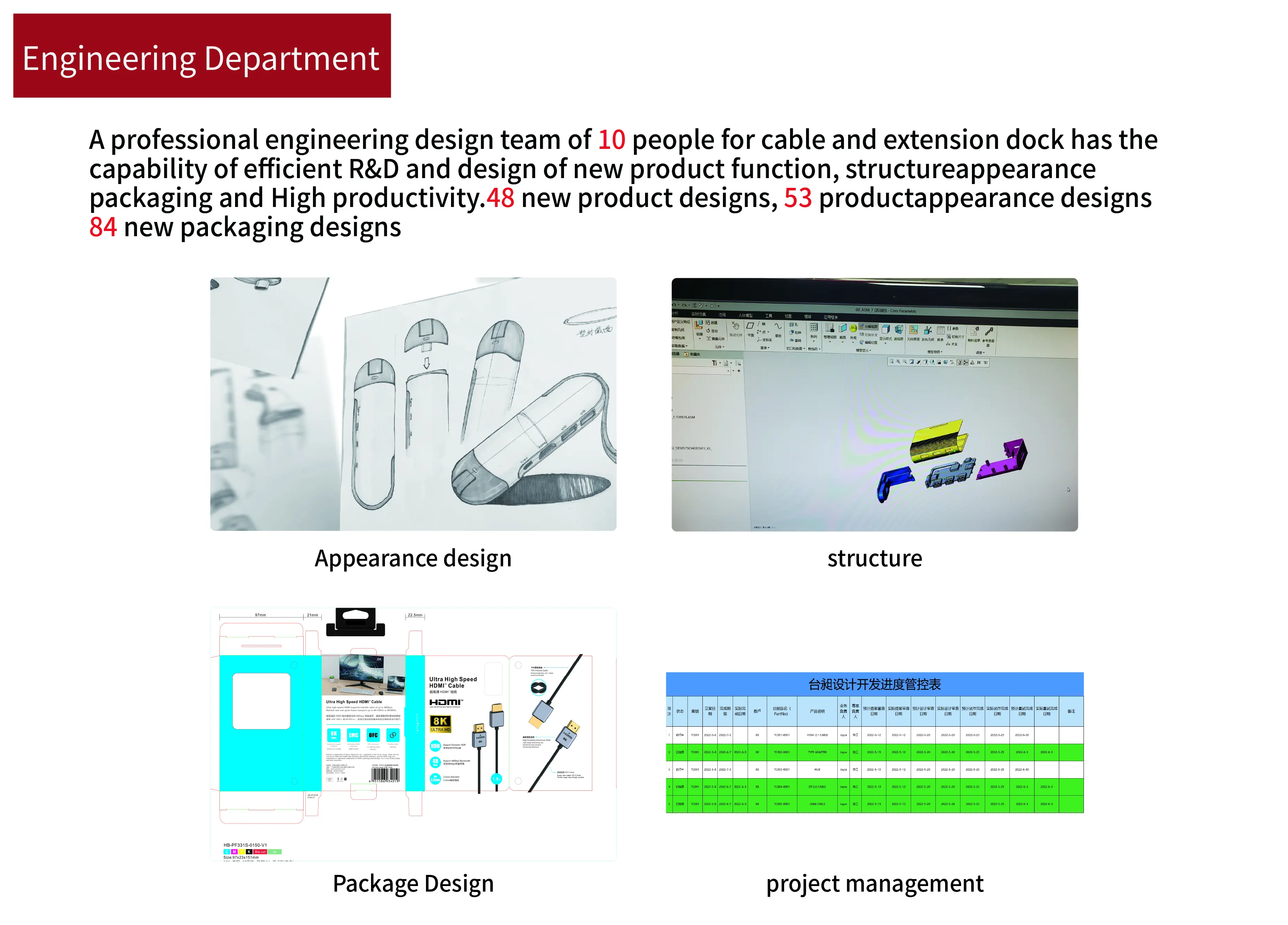


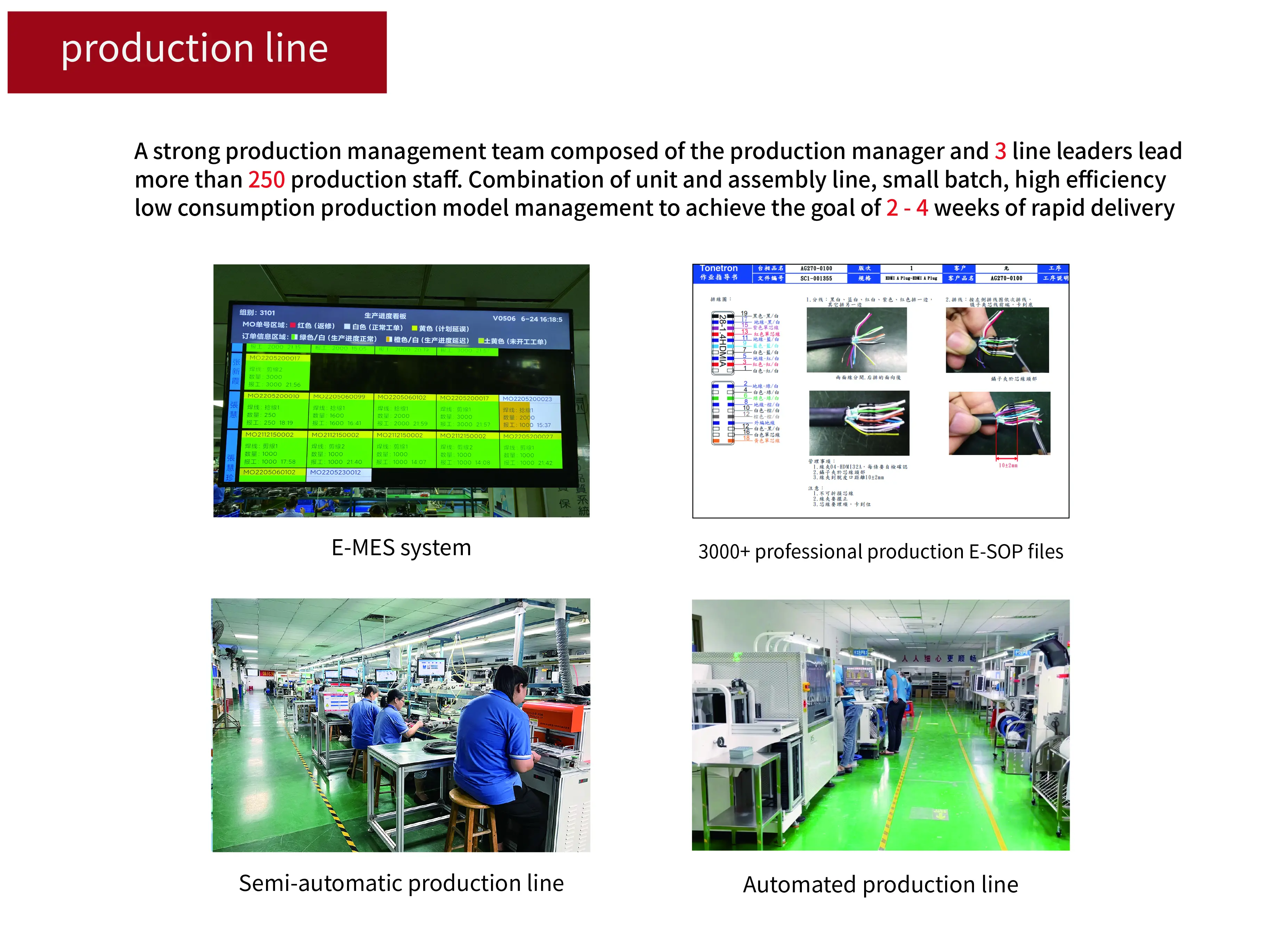

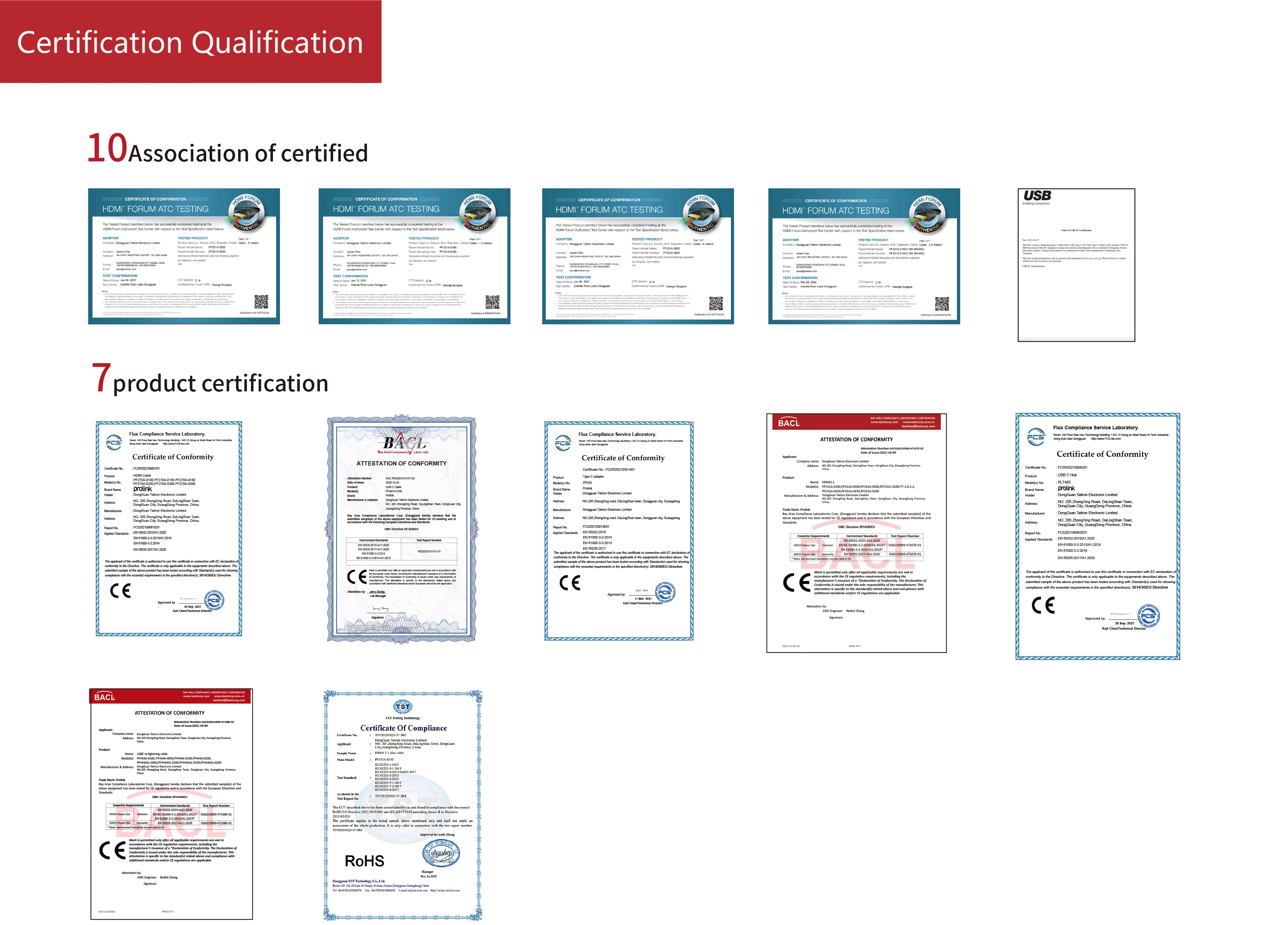
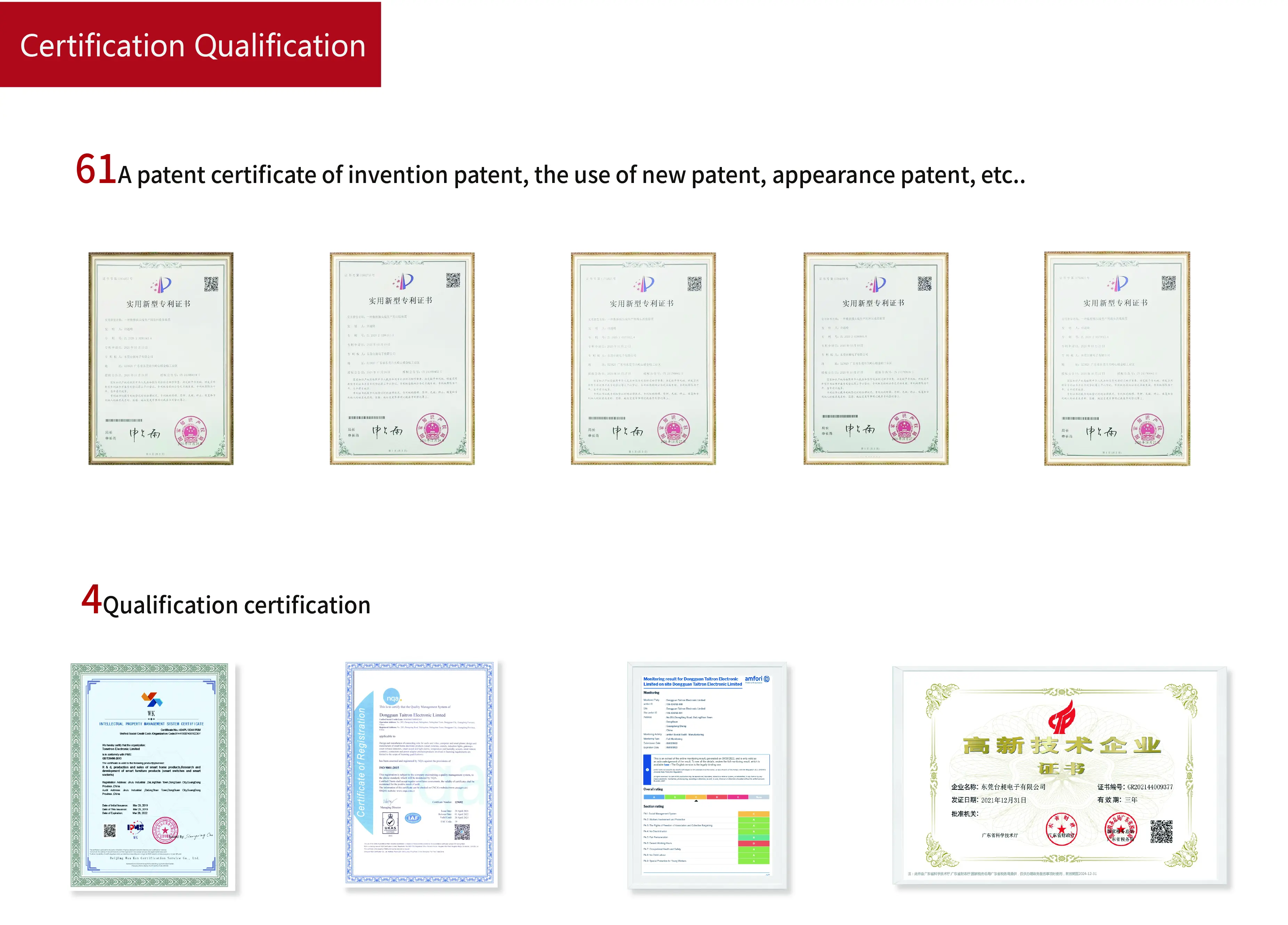
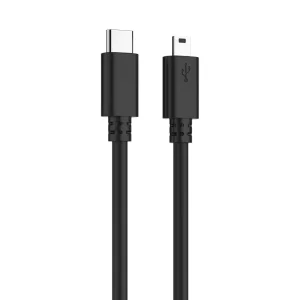
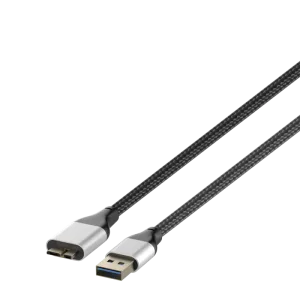
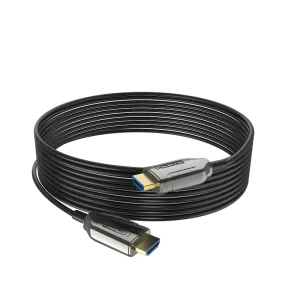
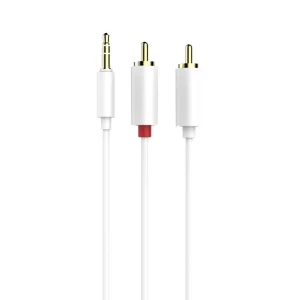
From robust legacy protocols to high-bandwidth optical display interfaces, our catalog delivers unmatched stability across commercial infrastructures.
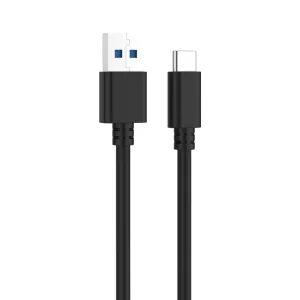
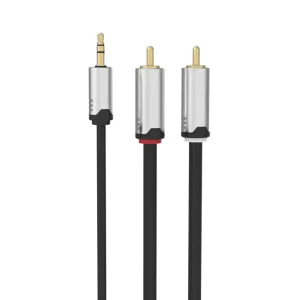
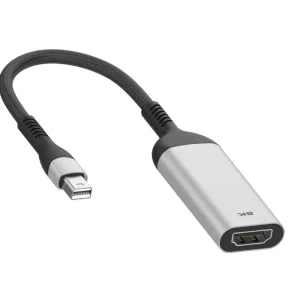
Expert responses addressing technical specifications, logistics, and compliance parameters for import into Central Africa.
 Taitron Electronics