Optimized interface technologies and high-power delivery systems engineered for extreme tropical conditions.
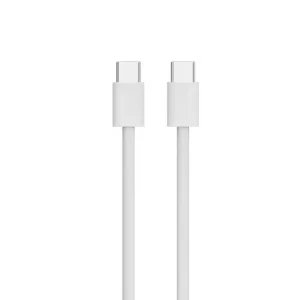
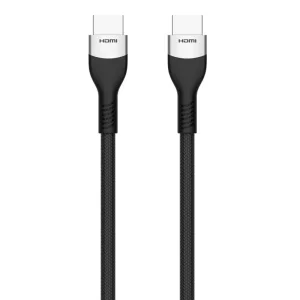
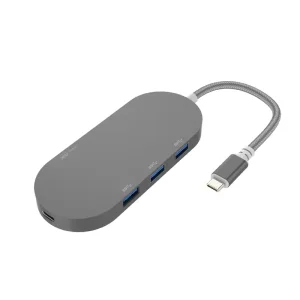
As Timor-Leste advances its national digital transformation agenda, infrastructure developments such as the Tibar Bay Port expansion and municipal fiber network installations are driving demand for industrial-grade signal transmission interfaces. The implementation of high-speed data links requires connectivity systems that withstand maritime salinity, high ambient humidity, and thermal challenges typical of tropical archipelagos.
Taitron Electronics is positioned as a key technological partner, providing customized cabling configurations designed to sustain structural integrity in tropical coastal areas. Our products are engineered with dual-shielding architectures, high-durability TPE/Nylon jackets, and oxidation-resistant gold/nickel-plated connectors to prevent signal degradation in demanding environments.
Standard retail-grade cables face accelerated oxidation and cable fatigue under Dili’s ambient conditions. Taitron’s industrial cable solutions employ advanced anti-corrosive chemical plating on contacts and UV-stabilized exterior sheathing to support continuous operation in ports, telecom hubs, and government administrative systems.
Our connectors feature multi-layer nickel and gold plating over oxygen-free high-conductivity (OFHC) copper cores, passing rigorous salt-spray exposure testing (up to 48 hours) to ensure low contact resistance in coastal environments.
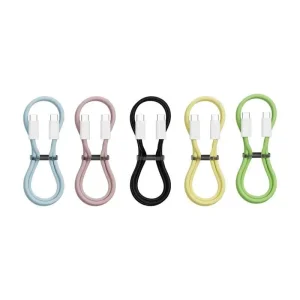
To support off-grid solar and microgrid telemetry units across Timor-Leste's provinces, our USB-C 100W/240W power delivery lines utilize thicker 22AWG/20AWG power cores, minimizing voltage drop and maximizing charging efficiency.
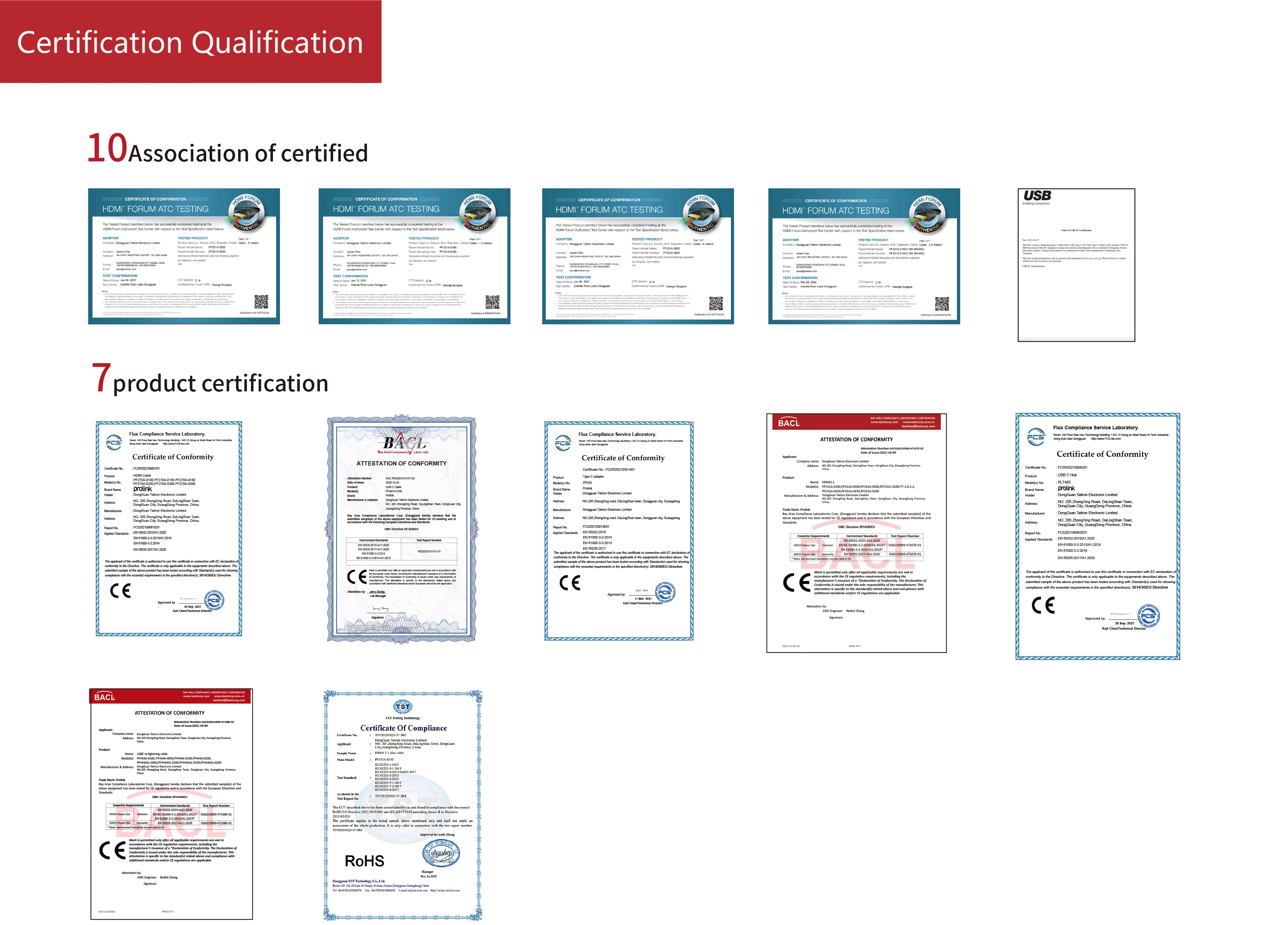
With the deployment of the Southern Cross NEXT subsea cable and domestic fiber infrastructure initiatives, localized hardware networks require Category-level performance upgrades. System integrators in Dili prioritize physical layer cables that meet international compliance specifications (CE, RoHS, FCC, MFi) to ensure long-term operational viability.
Tracing our heritage from Taiwan in 1984 to our advanced modern manufacturing campus in Dalingshan, China.
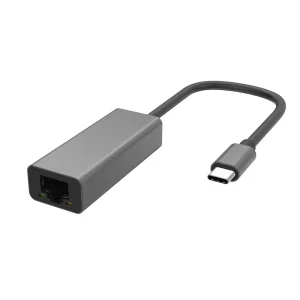
Founded in Keelung, Taiwan in 1984 under the name Tonetron, we moved to our custom-built production complex in Dalingshan Town, Dongguan, China in 1993. Over nearly four decades, we have established our core competency in professional video, audio, and high-speed data transmission lines. Today, our engineering focus encompasses high-end interconnect protocols including HDMI 2.1, DisplayPort 2.0, USB4, USB 3.1 Gen2, high-output power delivery systems, and comprehensive Type-C docking adapters.

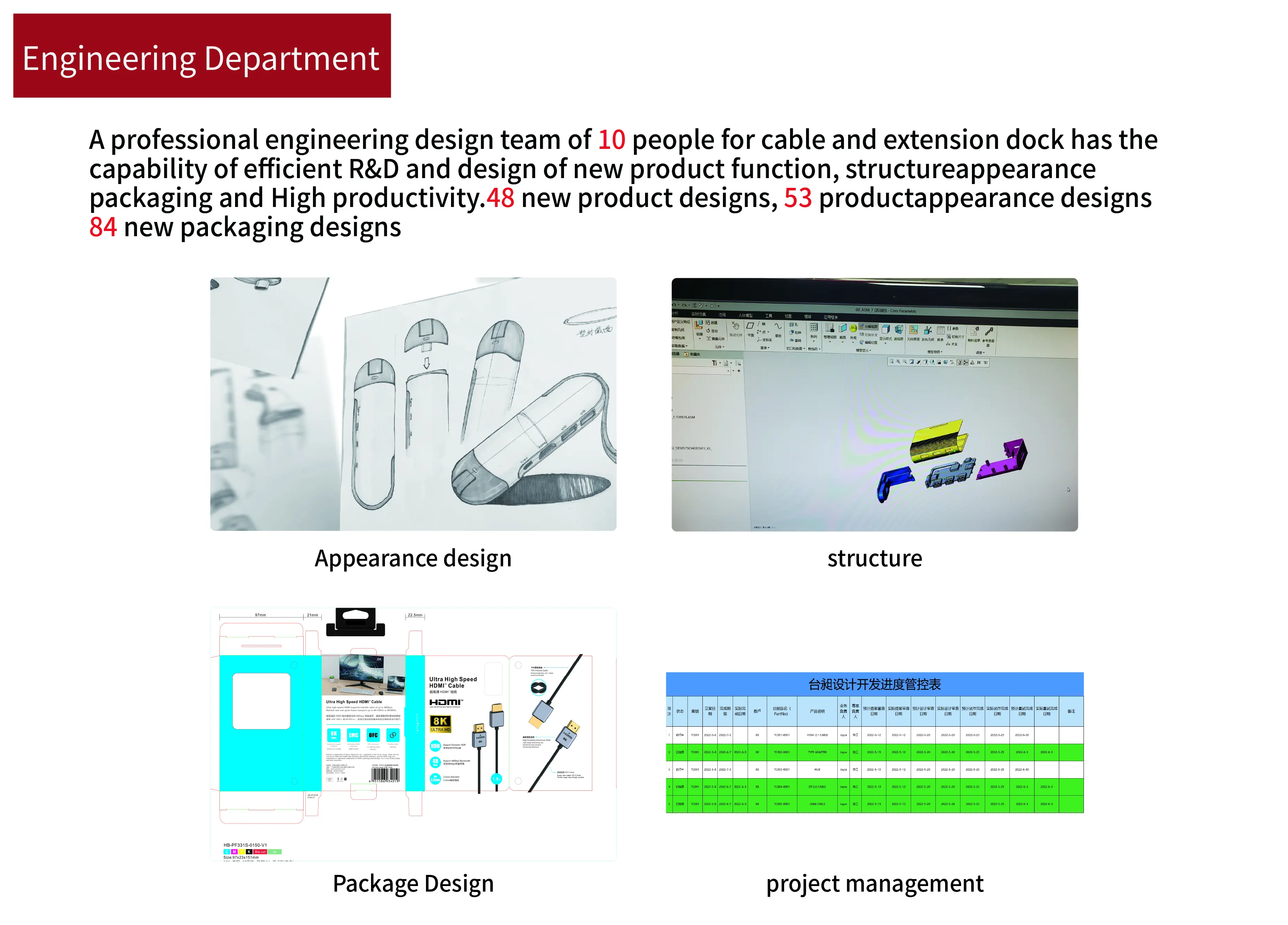

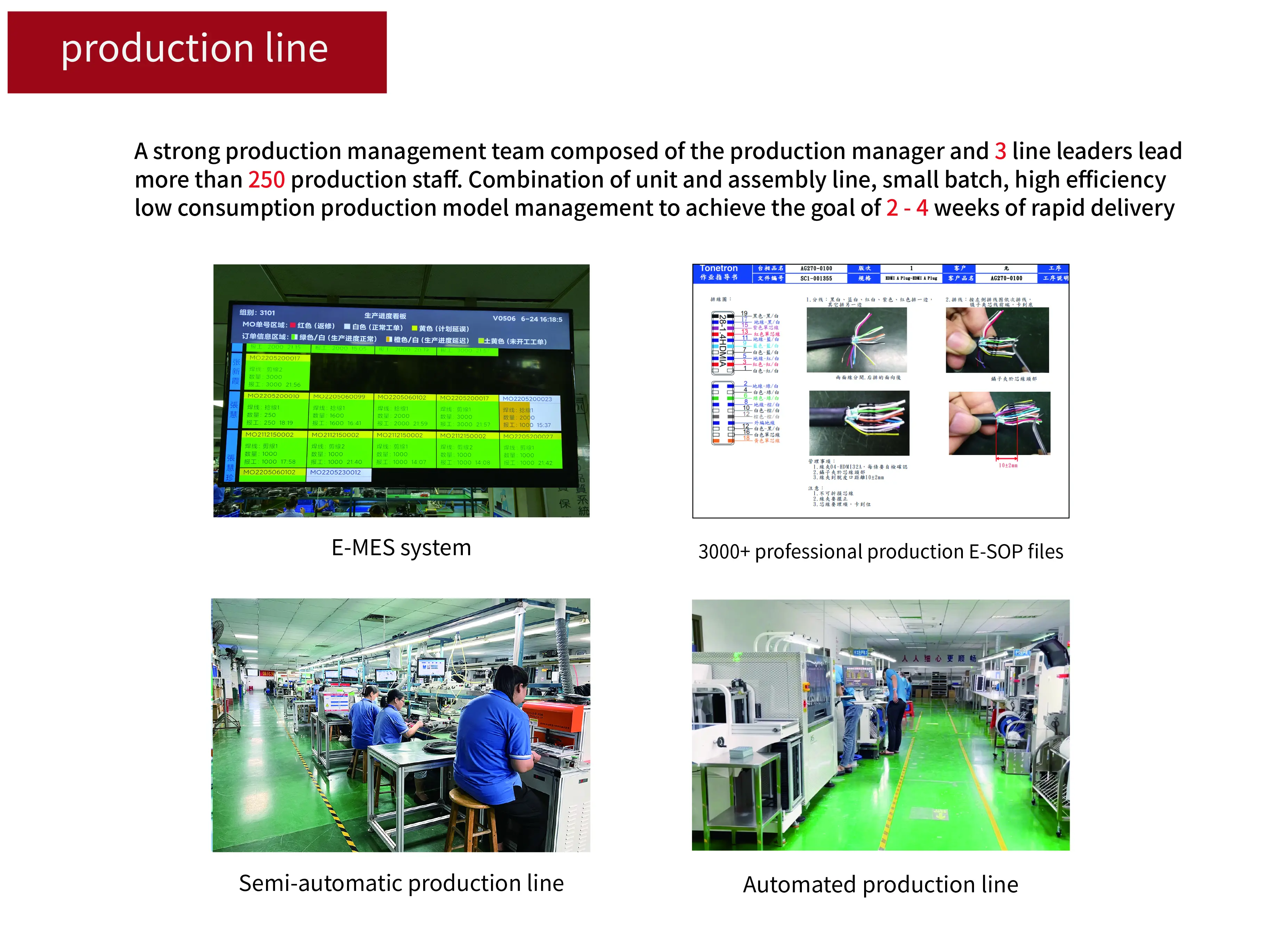

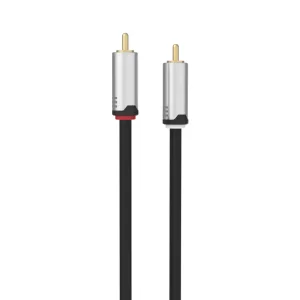
Discover our complete line of certified interconnect interfaces, optimized for commercial systems and enterprise hardware.
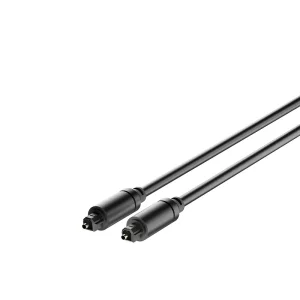
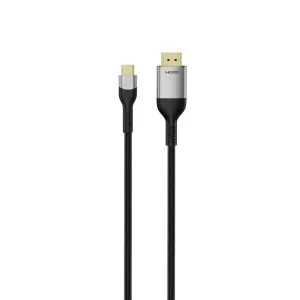
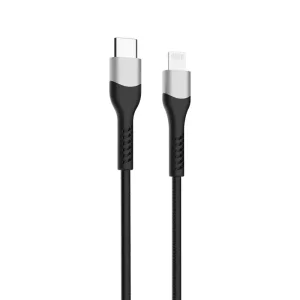
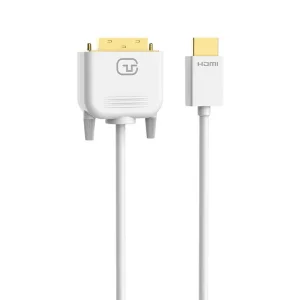
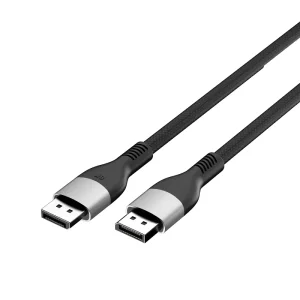
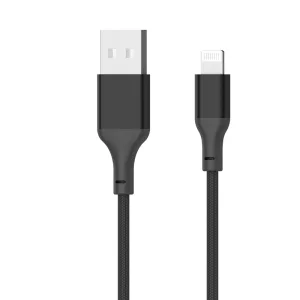
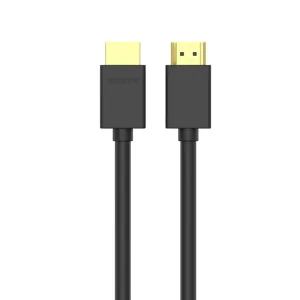
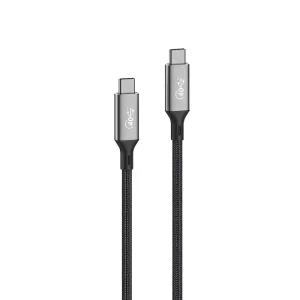
Deep-dive analysis of hardware performance, impedance balancing, and signal degradation mitigation.
In high-speed interface protocols (such as USB 3.1 Gen2, USB4, and HDMI 2.1), signal integrity is highly sensitive to variations in physical layer construction. Factors like skin effect at high frequencies, dielectric losses of insulation materials, and crosstalk between internal differential pairs can cause data packet loss. Under the challenging environmental conditions of Timor-Leste, where thermal shifts and elevated relative humidity impact dielectric constants, standard cables are prone to accelerated performance degradation.
Taitron addresses these issues through structured physical design and advanced materials engineering:
For operations delivering up to 100W or 240W (EPR) of power, voltage regulation and thermal dissipation are critical safety priorities. Taitron cables incorporate customized E-marker chips to manage safe negotiate voltage levels between devices. The internal power traces use 22AWG or 20AWG pure oxygen-free copper, maintaining minimal internal heating even during continuous 5A charging cycles under elevated ambient temperatures.
Industrial settings in Timor-Leste, including municipal substations and port storage hubs, often experience significant Electromagnetic Interference (EMI). To safeguard signal transmission, our high-frequency cables (such as HDMI 2.1 and DisplayPort) utilize a triple-layer shielding design: individual aluminum-mylar foils for each high-speed pair, a continuous secondary aluminum foil wrap, and an exterior high-coverage tinned copper braid. This configuration minimizes alien crosstalk and maintains low insertion loss across long cable runs.
Streamlined trade corridors and delivery pipelines directly to Dili port and metropolitan areas.
Sourcing electronic components for the Timor-Leste market requires navigation of distinct customs regulatory frameworks and sea-freight logistics. Taitron provides comprehensive support throughout this process, offering complete export documentation and shipping options to streamline import processing at Tibar Bay Port.
We work closely with local procurement directors, systems integrators, and infrastructure authorities to coordinate custom labeling, standardized packaging, and consolidated shipments. This approach helps reduce freight costs and minimizes delays at customs checkpoints.
Answers to technical, regulatory, and shipping questions for procurement managers in Timor-Leste.
Our typical factory manufacturing lead time is 2 to 3 weeks for bulk production. New product developments (OEM/ODM design) take approximately 4 to 6 weeks. Ocean freight from our Dongguan facility to Dili Port via Surabaya or Singapore hub usually adds another 15 to 25 days depending on the selected shipping schedule.
Taitron cables are specifically engineered for tropical coastal conditions. We use high-grade materials, including thick gold or nickel plating on structural connector shells, internal water-resistant shielding layers, and customized outer TPE/Nylon braided jackets to prevent humidity ingress and surface oxidation.
Yes. We offer fully custom layout options (OEM and ODM). You can specify length (up to 5 meters for passive high-speed copper, and longer for optical hybrid cables), shielding classes, custom pin configurations, and specialized outer jacketing options.
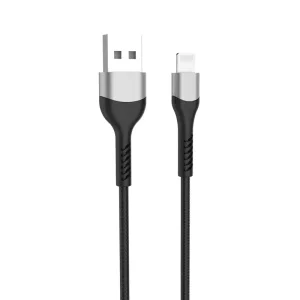
Our products meet international compliance standards, including CE, RoHS, and FCC. We also manufacture MFi-certified Apple Lightning cables using authorized Apple C89/C94 connectors. Our quality control lab tests every run for signal attenuation, tensile strength, bending fatigue, and electrical continuity prior to shipment.
 Taitron Electronics