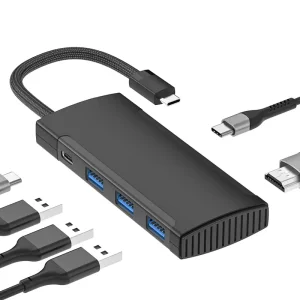
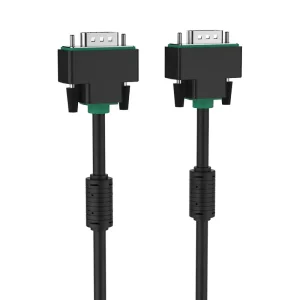
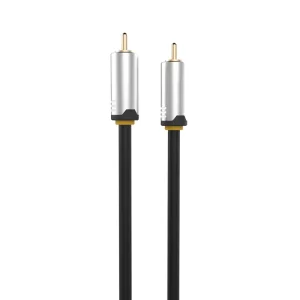
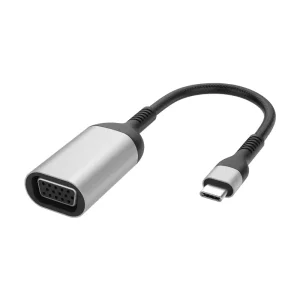
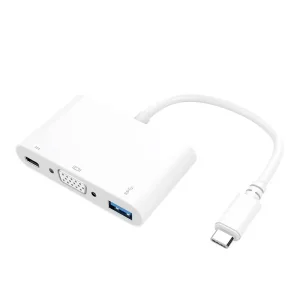
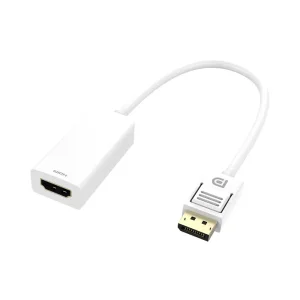
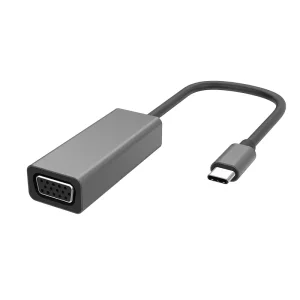
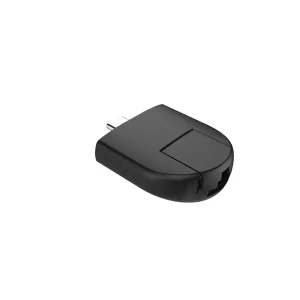
In the rapidly evolving landscape of professional visual computing, DisplayPort Multi-Stream Transport (MST) has emerged as a cornerstone technology. Introduced with the DisplayPort 1.2 standard, MST allows multiple independent display signals to be transmitted through a single cable connection. This revolutionary capability has transformed how enterprise IT infrastructures, financial trading desks, and creative workstations are architected.
As a leading supplier in the DisplayPort ecosystem, we understand that MST is not just about convenience; it is about bandwidth optimization. By daisy-chaining monitors or using an MST hub, users can extend their desktop across multiple screens without consuming multiple ports on the host GPU. This is critical for high-density computing environments where port real estate is premium.
Our roots in the industry date back to 1984 in Keelung, Taiwan, as Tonetron. Since moving to our self-built industrial park in Dalingshan Town, Dongguan, China in 1993, we have evolved from a traditional cable manufacturer into a high-tech R&D powerhouse. With over 38 years of experience, we specialize in advanced connectivity, including HDMI 2.1, DP 2.0, USB4, and complex MST expansion solutions.
Registered Capital
Skilled Employees
Production Area
Patents Owned
Global procurement managers often look to China for DisplayPort MST solutions due to the unmatched Vertical Integration found in manufacturing hubs like Dongguan. Unlike competitors who rely on outsourced sub-assemblies, our facility manages the entire production cycle:
The demand for MST technology is shifting from general office use to specialized industrial applications. We are seeing significant procurement interest from:
MST allows for a star topology or a mix of daisy-chaining, providing more flexibility in cable routing. It is essential when the display hardware itself does not support daisy-chaining.
Yes. With 61 patents and a dedicated R&D center, we specialize in customizing housing, firmware integration, and port configurations to meet specific project requirements.
We pride ourselves on efficient supply chain management, offering a standard delivery time of 2-3 weeks for most catalog products, with customized solutions taking slightly longer depending on the complexity.
 Taitron Electronics