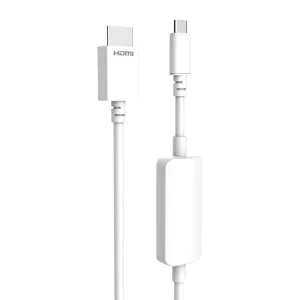
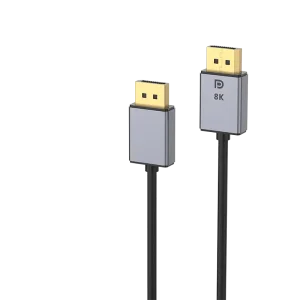
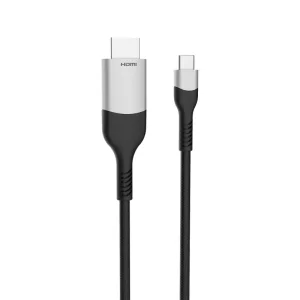
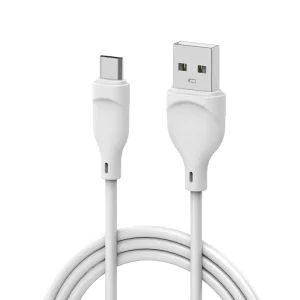
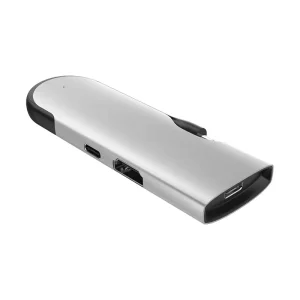
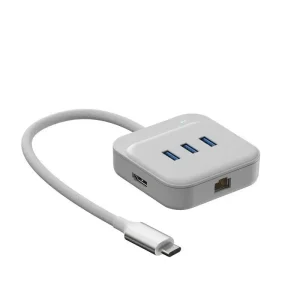
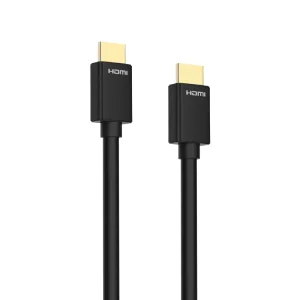
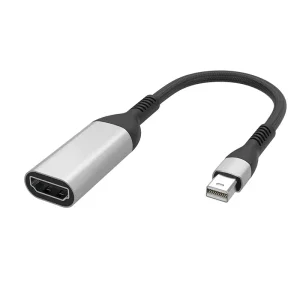
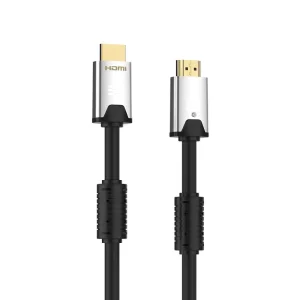
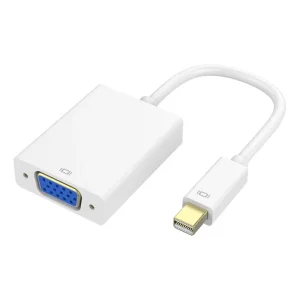
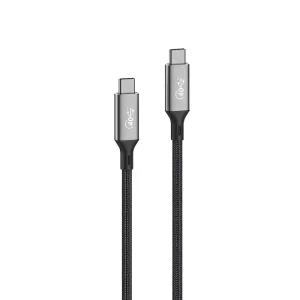
In the rapidly evolving landscape of digital connectivity, the Multi-Stream Transport (MST) hub has transitioned from a niche accessory to a critical infrastructure component for the modern professional. As an OEM Hub MST exporter, we recognize that the demand for high-bandwidth, multi-display support is no longer limited to high-end engineering workstations. From hybrid office setups to industrial monitoring centers, the ability to drive multiple 4K and 8K displays from a single USB-C or DisplayPort source is a necessity.
This white paper explores the technical nuances of MST technology, the strategic importance of choosing the right MST hub factory, and how Dongguan Taitron Electronics Limited utilizes its 38 years of experience to lead the market. We delve into Information Gain by providing insights into localized application scenarios and the future roadmap of USB4 and DisplayPort 2.1 integration.
Founded in 1984 in Keelung, Taiwan, our journey began as Tonetron. In 1993, strategic expansion led us to establish an independent production industrial park in Dalingshan Town, Dongguan City, China. Today, Dongguan Taitron Electronics Limited stands as a titan in the manufacturing of audio and video peripheral equipment.
Our expertise spans four decades, evolving from basic cable manufacturing to the R&D of high-end HDMI 2.1, DP 2.0, USB4, and multi-functional Type-C expansion docks. We are not just a supplier; we are a partner in technological growth.
In localized financial sectors across New York, London, and Hong Kong, traders utilize our MST Hubs to manage quad-monitor setups, ensuring real-time data visualization without latency.
Manufacturing plants in Germany and China utilize MST technology to daisy-chain industrial displays, monitoring automated production lines with high-fidelity signal integrity.
Video editors and 3D artists require the bandwidth of USB4 MST docks to support dual 5K monitors while simultaneously transferring large raw data files.
As a leading MST Hub factory in Dongguan, we benefit from the world's most robust electronics ecosystem. Our supply chain resilience is built on three pillars:

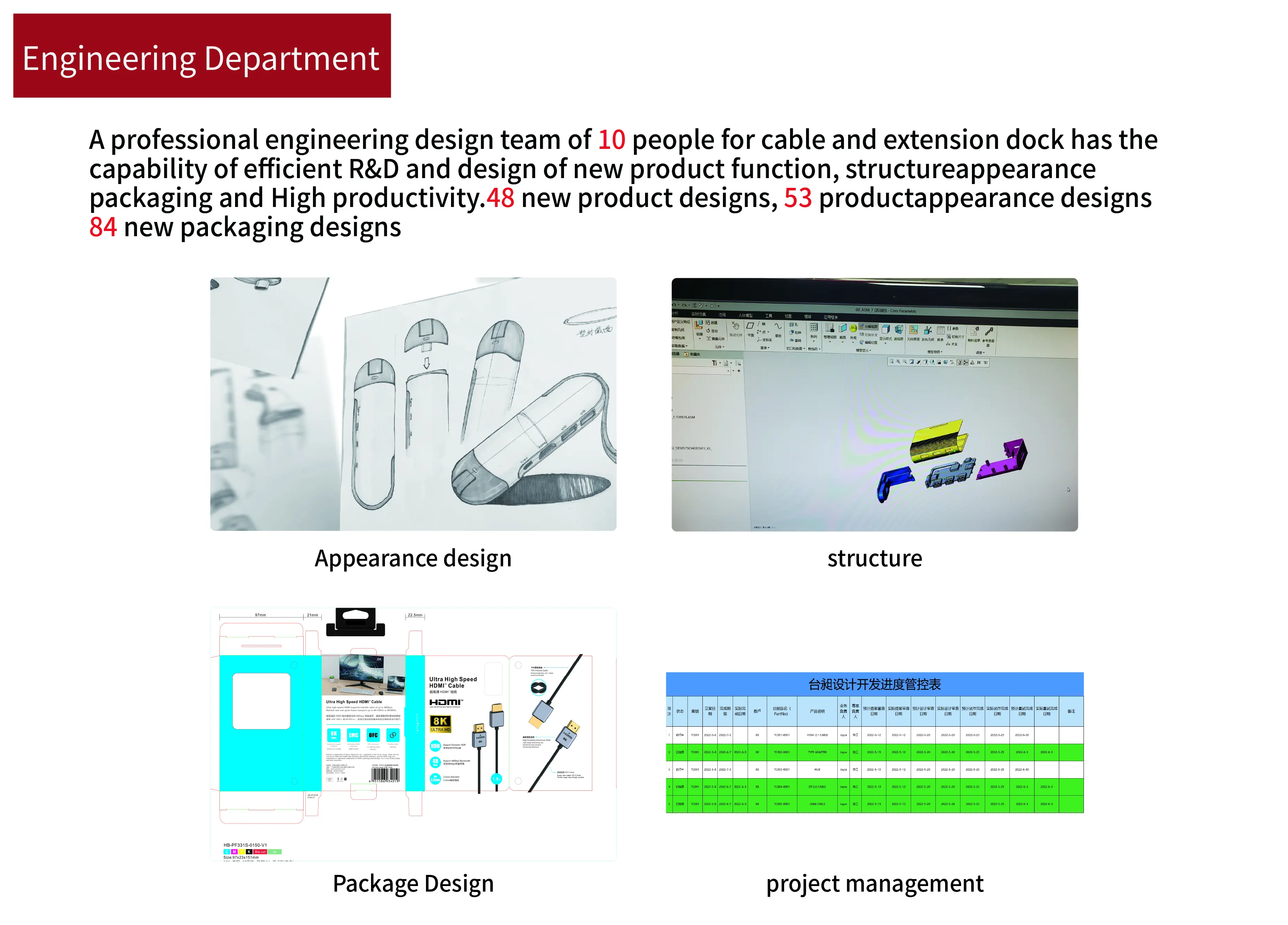

Introduction of HDMI 2.1 and DisplayPort 1.4a MST hubs supporting single 8K@60Hz or triple 4K@60Hz outputs with DSC 1.2 technology.
Redesigning MST architectures to leverage the "Next-Gen" USB4 80Gbps bandwidth, allowing for high-speed data transfer while maintaining multi-display resolution.
Implementing AI-driven power management chips within hubs to optimize PD 3.1 charging (240W) and thermal dissipation in ultra-slim MST docks.
Navigating the global market requires more than just high-quality hardware. As an OEM Hub MST exporter, we prioritize localized support and compliance to ensure our products pass through customs and onto shelves seamlessly. Our products carry CE, FCC, and RoHS certifications, meeting the stringent requirements of the EU and North American markets.
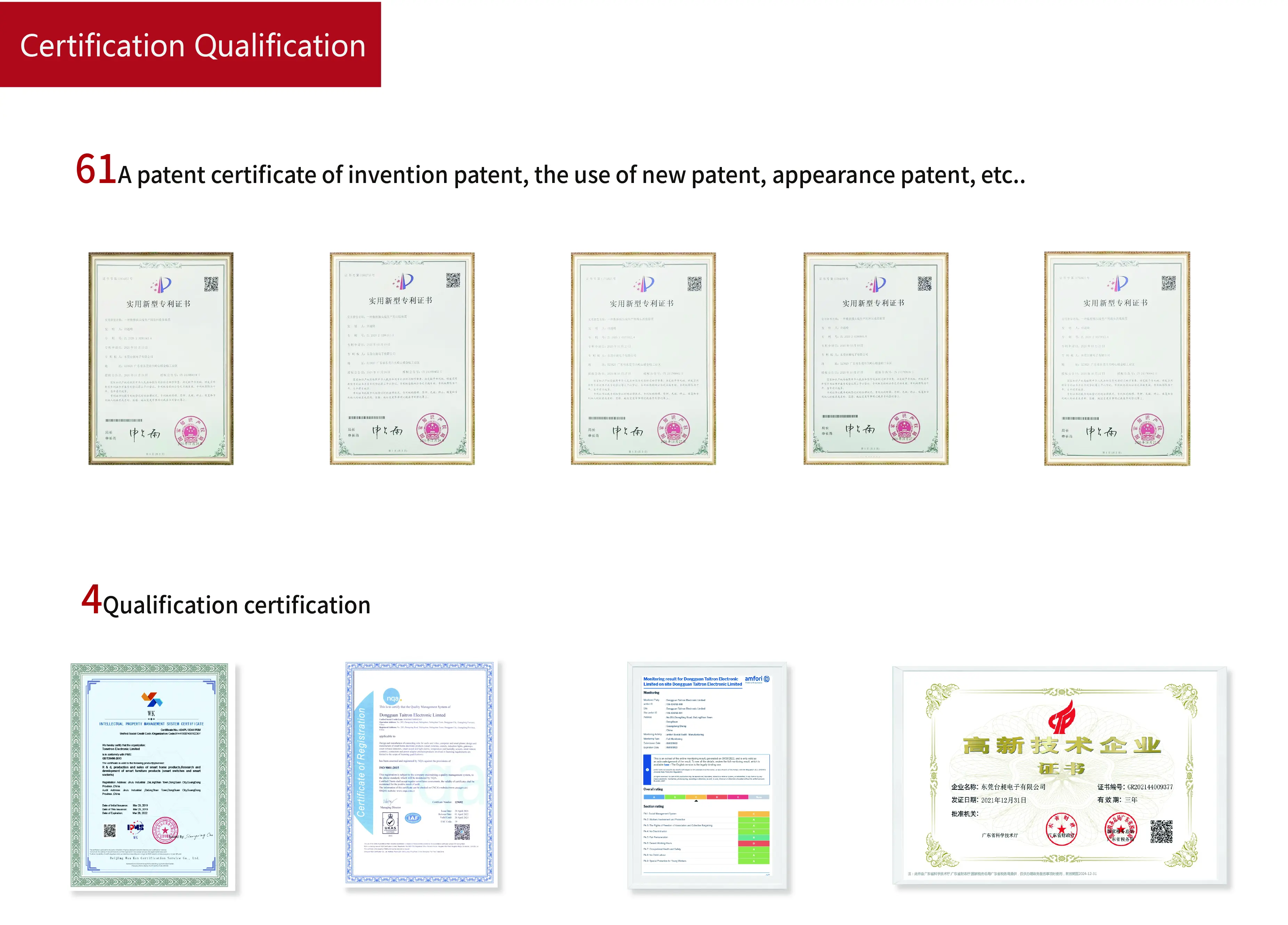
We provide localized documentation, localized packaging design for retailers, and technical support that speaks the language of your engineers. Our 61 patents protect our clients from IP litigation, providing a safe harbor for brand development.

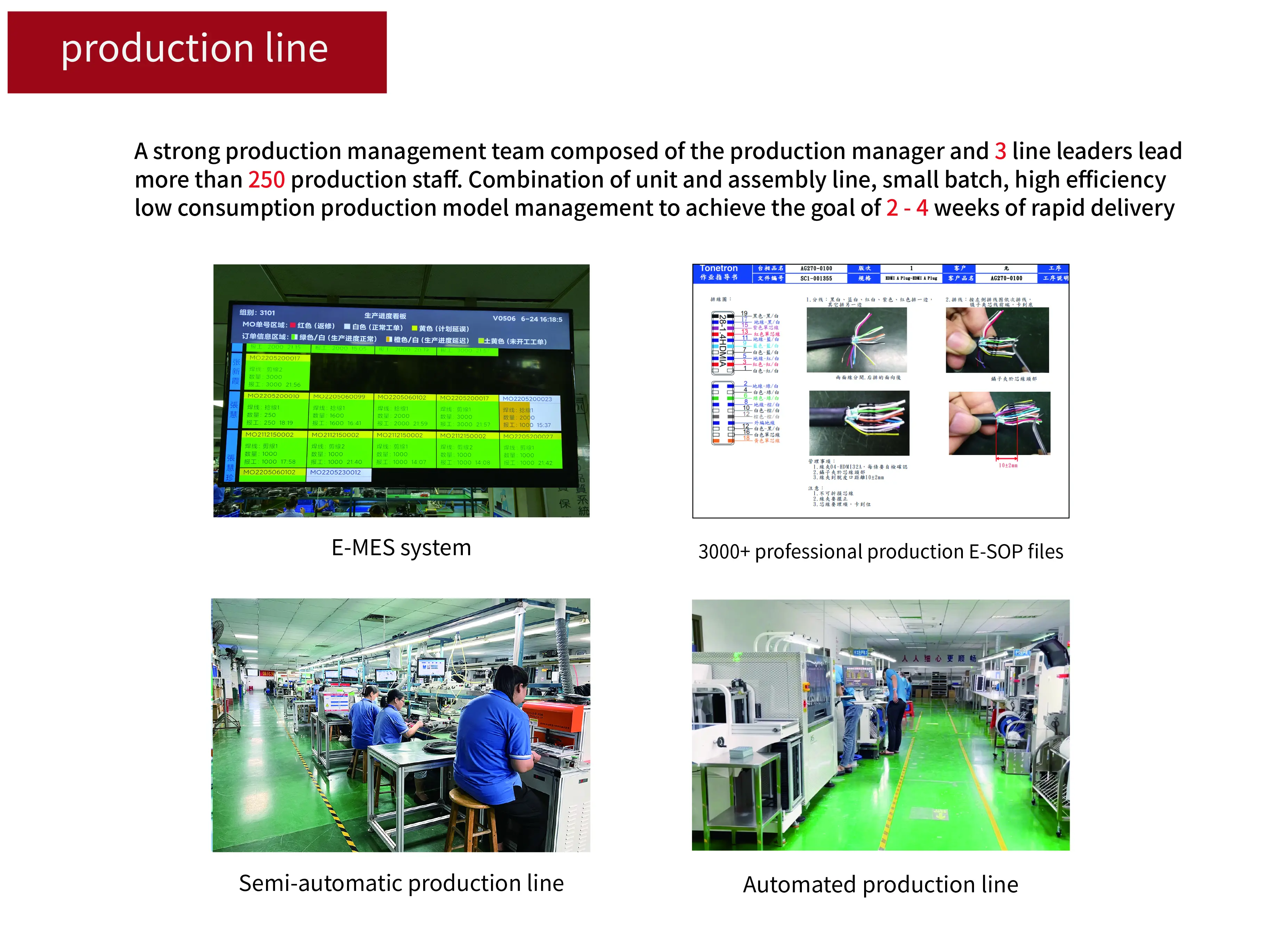

MST (Multi-Stream Transport) allows for independent displays across multiple monitors from a single source, whereas SST (Single-Stream Transport) only allows for mirroring. Our hubs are optimized for MST to maximize productivity.
While macOS supports MST for daisy-chaining DisplayPort devices, it currently only supports Mirror Mode for most USB-C MST hubs. We provide specific solutions with built-in DisplayLink chips for Mac users who require Extended Desktop mode.
Typically, our MOQ for customized MST Hub OEM projects starts at 1,000 units, depending on the complexity of the PCBA and housing design. We also support smaller trial orders for established partners.
We use high-purity oxygen-free copper and multi-layer shielding. For our HDMI 2.1 and DP 2.0 cables, we implement active signal boosting chips to maintain 48Gbps bandwidth over distances up to 5 meters.
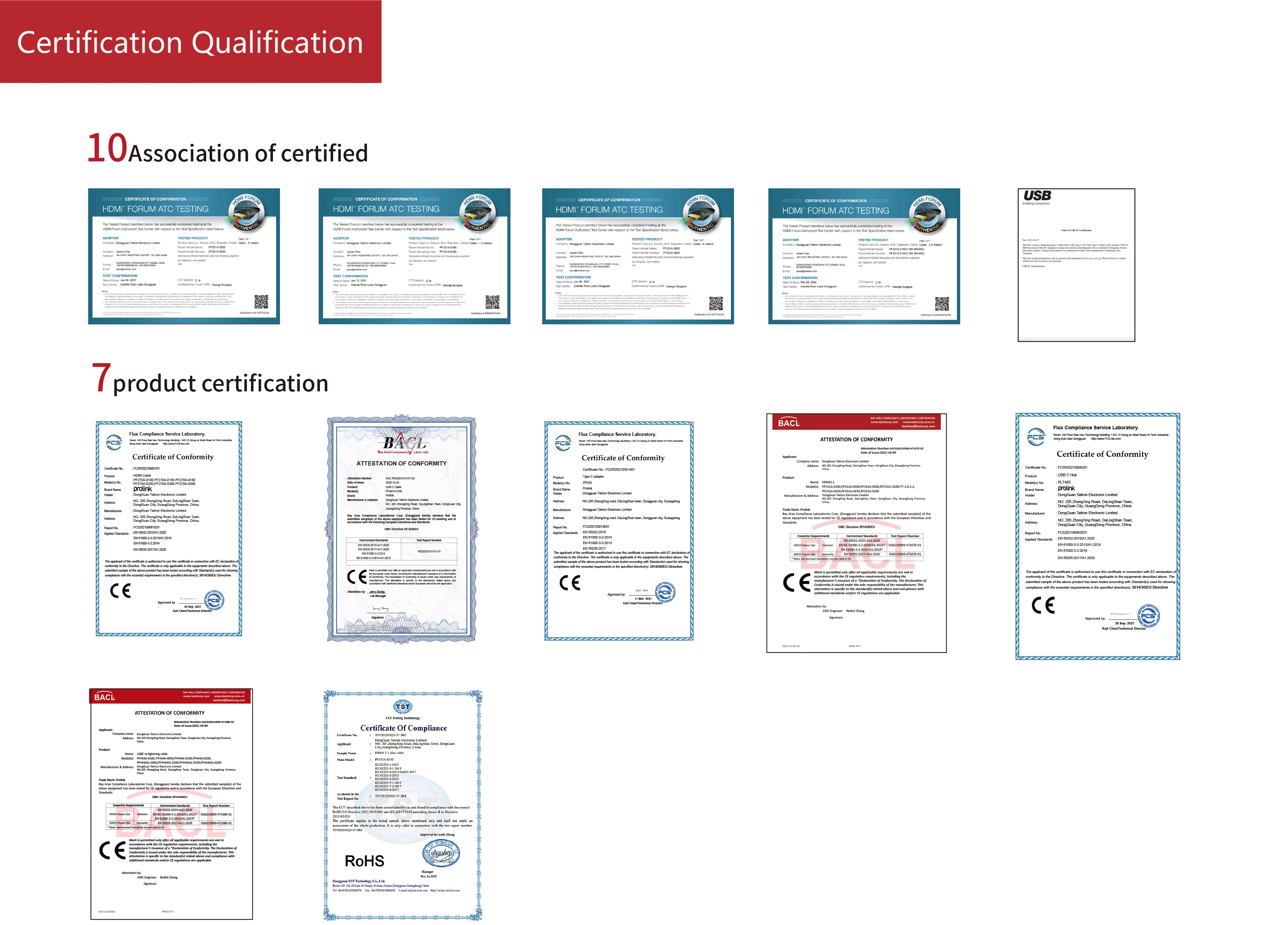
Equipped with state-of-the-art testing and production machinery to ensure zero-defect manufacturing.
 Taitron Electronics