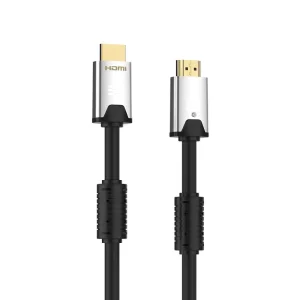
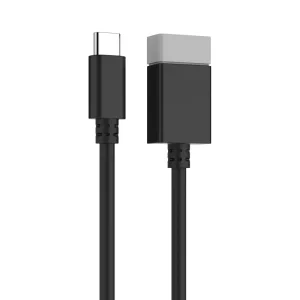
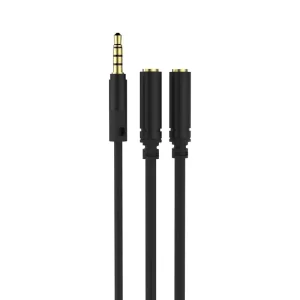
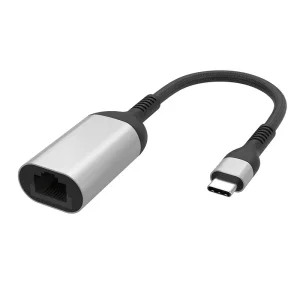
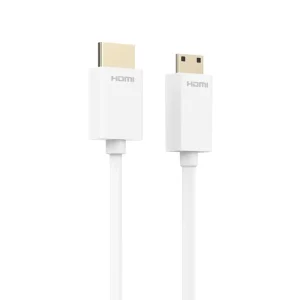
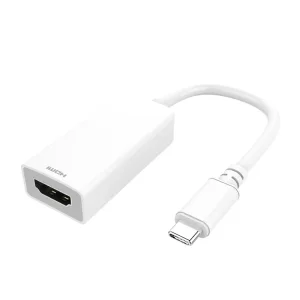
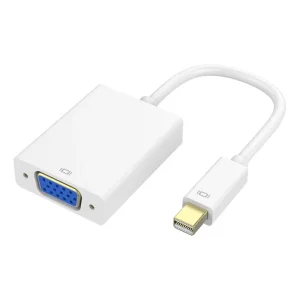
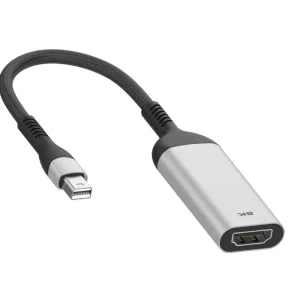
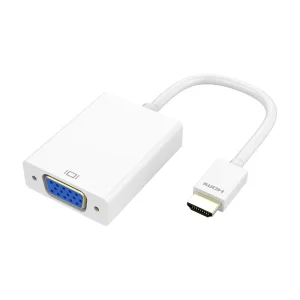
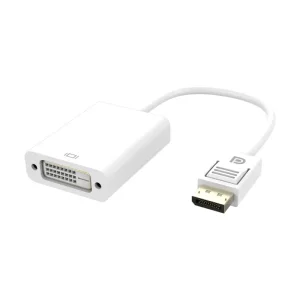
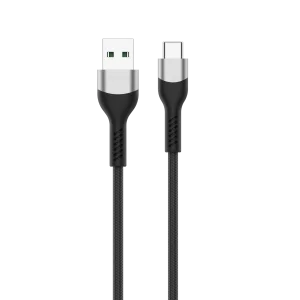
Precision-engineered adapters, converters, and custom high-speed cables designed to meet commercial display standards.
As high-resolution displays expand across medical diagnostics, autonomous automotive consoles, aerospace simulators, and elite computing fields, the request for specialized OEM DisplayPort ports and assemblies has scaled dramatically. Modern DisplayPort standards (including DP 1.4a and DP 2.1) are no longer simple copper interconnect channels. Instead, they act as active, high-bandwidth data systems transmitting uncompressed 8K and 16K visual streams alongside nested auxiliary control protocols. In contrast to consumer display interfaces, industrial and enterprise display designs require precise signal architecture, low EMI emission signatures, and robust mechanical structures designed for strict operational lifecycles.
Information Gain Insight: Unlike basic HDMI connectivity, VESA's DisplayPort standards use a packet-based data structure similar to PCI Express. This structural approach allows display panels to dynamic-allocate bandwidth, easily support Multi-Stream Transport (MST) daisy-chaining, and route high-definition visual payloads across multiple screens from a single physical port interface. For OEMs, selecting the right port parameters directly decides compatibility, field reliability, and the need for future hardware updates.
Sourcing high-performance interfaces requires deep alignment between product design engineers and production facilities. When drafting an RFQ for custom DisplayPort components, understanding the physical architecture—including raw cable shielding layers, differential trace layout, dynamic impedance matching, and connector plating thickness—prevents signal degradation and maintains long-term reliability in harsh working environments.
Originally established in Keelung, Taiwan in 1984 under the name Tonetron, our business relocated to Dalingshan Town, Dongguan City, China in 1993, building an independent manufacturing park. Over nearly four decades of engineering growth, we have evolved from traditional audio-visual wiring production into a leading-edge designer and high-capacity manufacturer of next-generation interface components. Today, we specialize in VESA and USB-IF standard solutions, including HDMI 2.1, DP 2.0/2.1, USB4, Type-C interfaces, and multifunctional expansion docks.
Substantial capital backing supporting state-of-the-art laboratory testing and production machinery.
A professional team of R&D engineers, quality inspectors, and trained technicians.
Spacious, modern manufacturing facility operating multiple dust-free assembly zones.
Optimized supply chain pipelines ensure quick lead times for standard volume batches.
Rapid prototyping processes from raw drawings to fully functional test models.
Strong financial growth showing consistent expansion across major global markets.
Comprehensive product guarantees backed by dedicated technical support engineers.
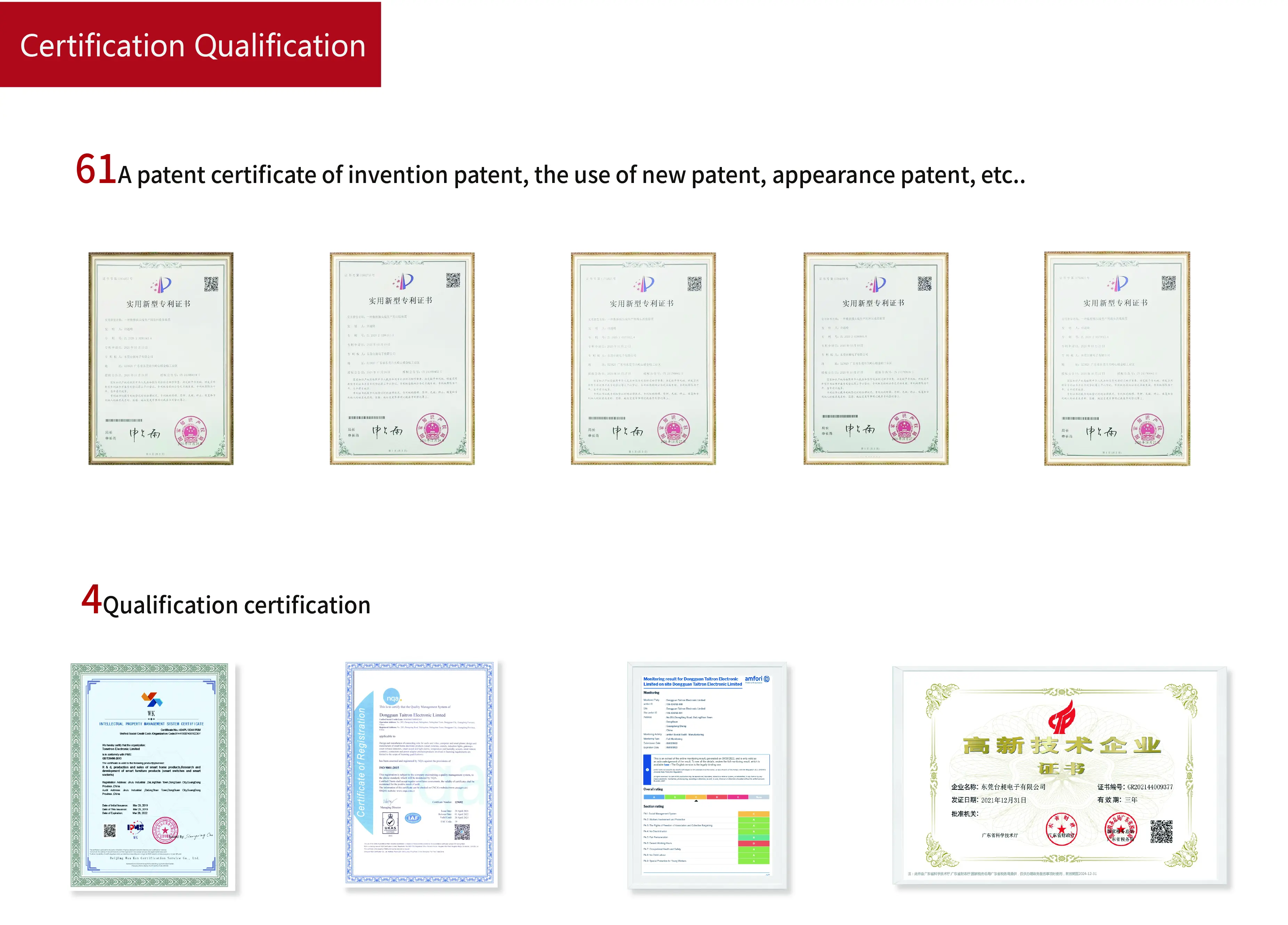
A growing collection of visual-audio designs and structural shielding patents.
Highly automated fabrication systems handling raw cable extrusion to final laser testing.
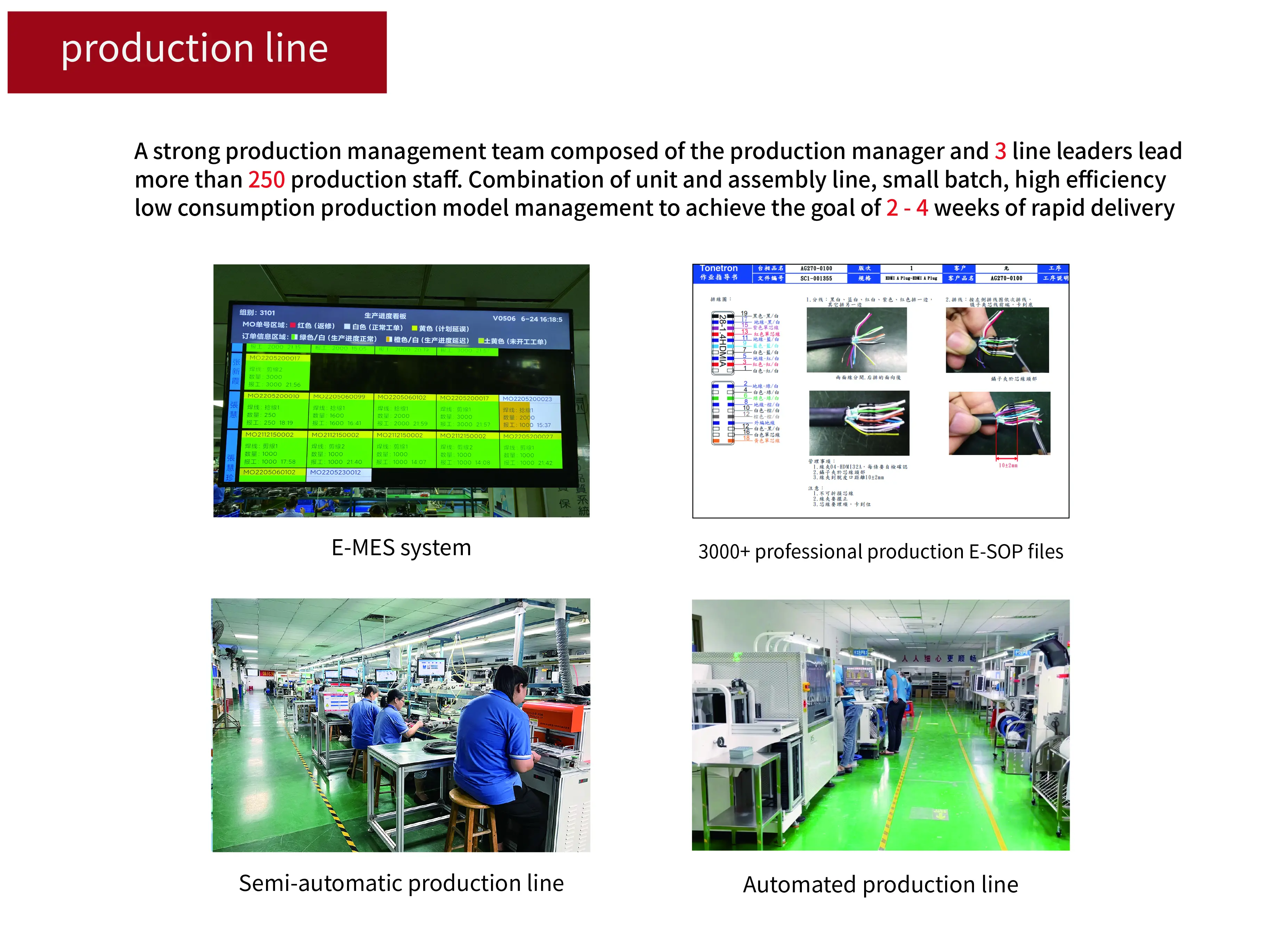
Inside our modern facility: where strict quality control meets high-speed automated assembly lines.




Selecting the correct standard for your custom hardware interface dictates the maximum resolution, refresh rates, and bandwidth allocation available to your system. The table below outlines key VESA parameters essential for engineering procurement:
| DisplayPort Standard | Max Bandwidth | Max Data Rate | Resolution Support (Uncompressed) | Key Technical Enhancements |
|---|---|---|---|---|
| DisplayPort 1.2 | 21.6 Gbps | 17.28 Gbps | 4K @ 60Hz | Introduction of Multi-Stream Transport (MST) daisy chaining |
| DisplayPort 1.4a | 32.4 Gbps | 25.92 Gbps | 8K @ 30Hz / 4K @ 120Hz | Display Stream Compression (DSC 1.2a), FEC, and HDR10 support |
| DisplayPort 2.0 | 80.0 Gbps | 77.37 Gbps | 10K @ 60Hz / Dual 8K @ 60Hz | 128b/132b encoding, significant bandwidth increase |
| DisplayPort 2.1 | 80.0 Gbps | 77.37 Gbps | 16K @ 60Hz (DSC) / Triple 4K @ 144Hz | Improved integration with USB4, updated physical layer (PHY) specs |
High-speed visual transmission demands strict signal control inside the raw cable. Standard copper DisplayPort layouts use four main differential pairs (Lane 0 to Lane 3), a dedicated auxiliary channel (AUX CH), a hot-plug detection line (HPD), and power configuration links (DP_PWR). At high data speeds, even small physical variations can cause issues like signal reflections, skew, or high insertion loss.
To prevent these issues, our factory uses advanced physical designs:
For procurement directors and hardware developers, establishing a reliable OEM supply chain is vital. Our design and production workflow is built to handle complex requirements, providing transparent communication from initial concept to bulk shipment.
We review your layout parameters, including space limitations, signal routing, operating temperatures, and custom pinouts. Our engineering team assists in defining core electrical and mechanical targets to ensure peak performance.
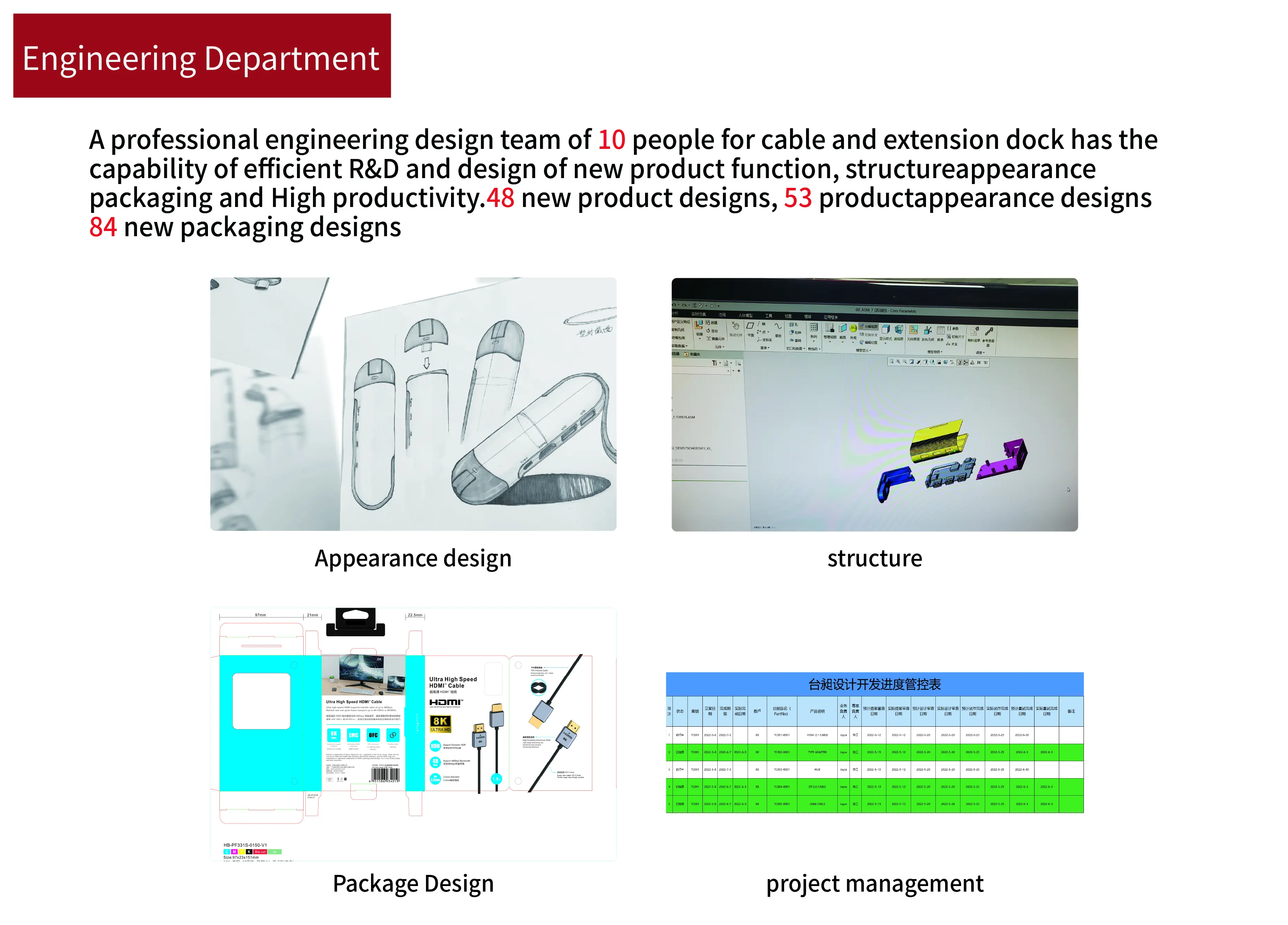
Using 3D modeling and fast-turn tooling, we deliver first-article prototypes within 4 to 6 weeks. These samples undergo rigorous structural and electrical evaluation in our in-house test labs.
Once prototypes are approved, we schedule production across our 9 automated lines. With a production area of 50,000 sqm, we efficiently handle large bulk orders while maintaining a stable 2-3 week lead time for recurring shipments.
Different operating environments present unique challenges. We manufacture custom DisplayPort components tailored for specific applications:
Quality and reliability form the core of Taitron's manufacturing philosophy. Every production run undergoes complete physical and electrical testing to ensure long-term field reliability:
We use Time Domain Reflectometry (TDR) to monitor impedance curves across the differential lines, maintaining standard tolerance limits (100Ω ± 5Ω).
We measure noise margins, jitter levels, and rise times, verifying clear signal paths even at maximum UHBR (Ultra High Bit Rate) speeds.
Physical stress testing includes custom bend radius cycles, high-rate mating/unmating evaluations, and retention-lock force testing.
Environmental tests expose units to salt-fog corrosion, high humidity levels, and thermal shock cycles to verify rugged outdoor performance.
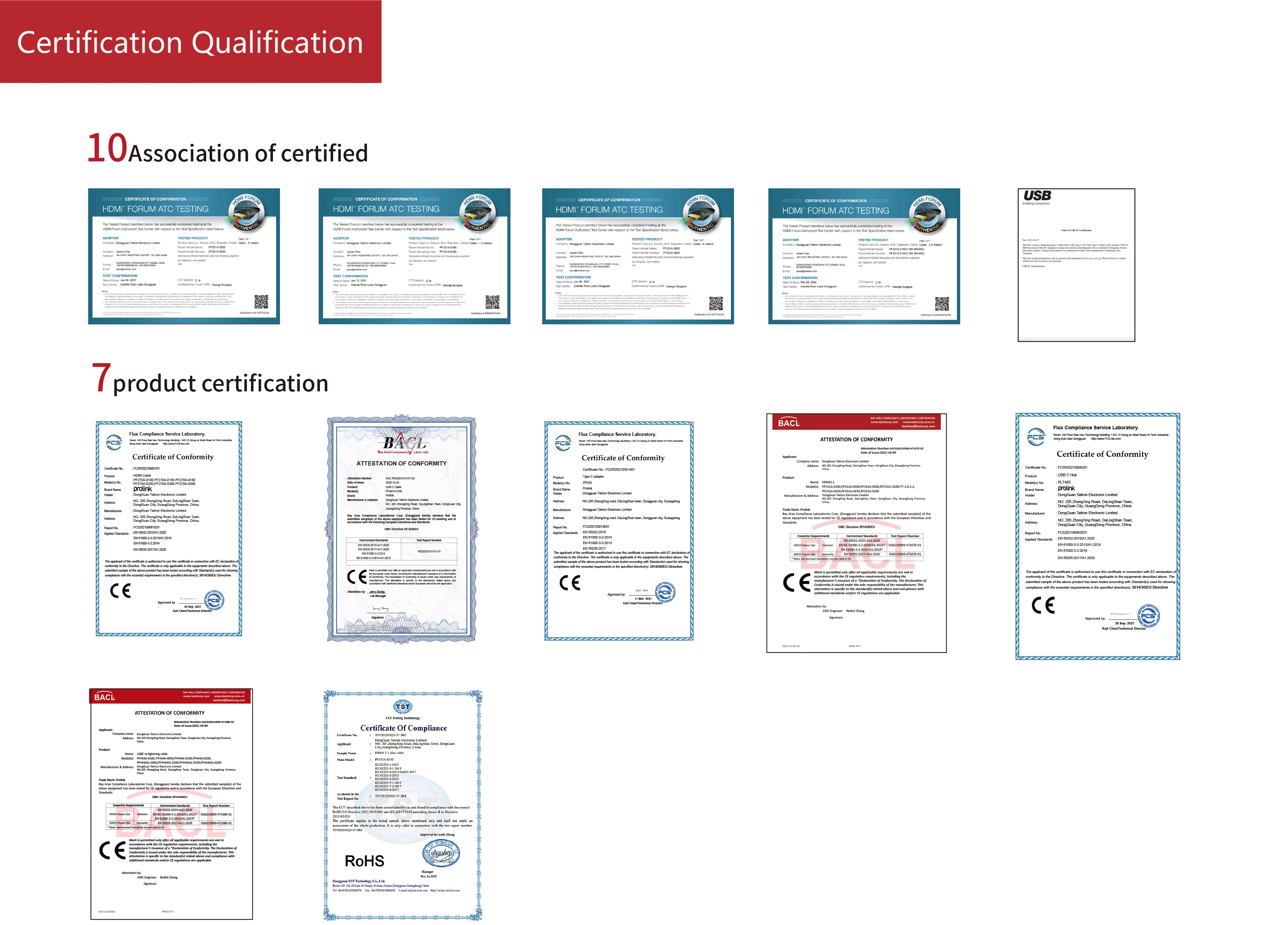
Our facility operates under strict global management standards. All finished components are fully compliant with RoHS, REACH, and WEEE directives, and we carry certifications from FCC, CE, and VESA, ensuring seamless integration into strict international projects.
As the visual industry transitions toward higher refresh rates (such as 240Hz and 360Hz) and advanced VR/AR head-mounted setups, traditional copper wiring faces physical limitations over long runs. To address these demands, our engineering department is investing in active optical technologies (AOC DisplayPort) and smaller connector form factors:
By integrating optoelectronic conversion chips inside the connector hood, AOC cables convert high-speed electrical signals into light waves. This design allows DisplayPort 2.1 data speeds to travel up to 50 meters with zero electromagnetic noise, minimal signal attenuation, and a thin, highly flexible physical profile.
Additionally, the convergence of DisplayPort and USB-C (via DP Alt Mode and USB4) remains a core focus of our research. Our development team continues to design specialized docks and hybrid assemblies that manage high-wattage power delivery alongside ultra-high-speed display signals over a single connection point.
Find technical answers regarding OEM capabilities, engineering details, and custom display design questions:
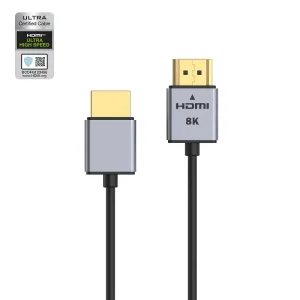
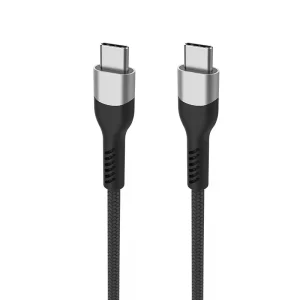
Explore our additional high-speed options, audio lines, and conversion interfaces for enterprise display setups.
 Taitron Electronics