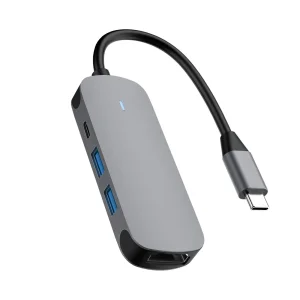
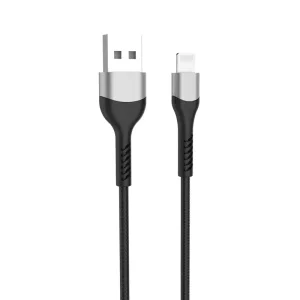
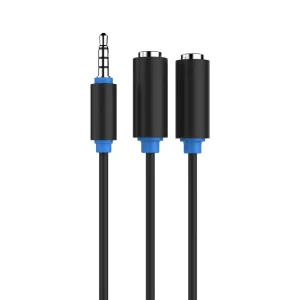
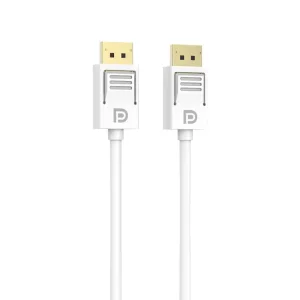
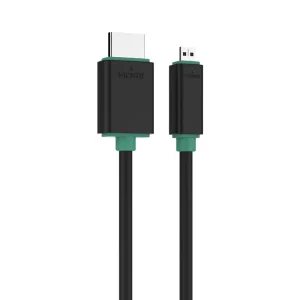
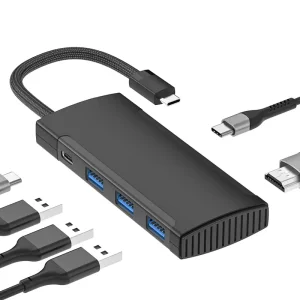
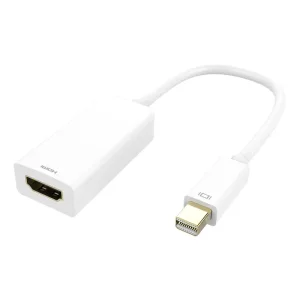
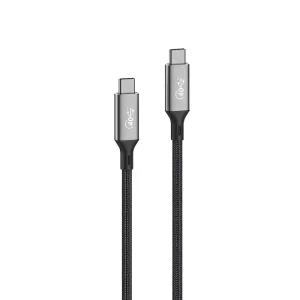
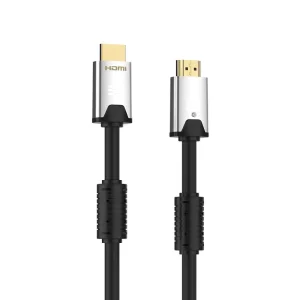
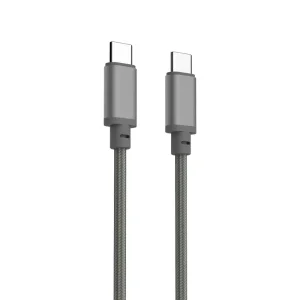
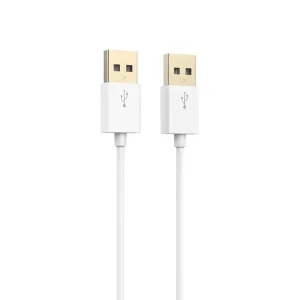
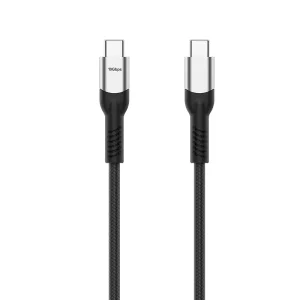
Explore our high-performance adapters, docking stations, and ultra-high-speed cables engineered for seamless data transmission and high-resolution display outputs.
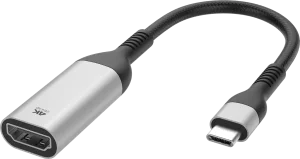
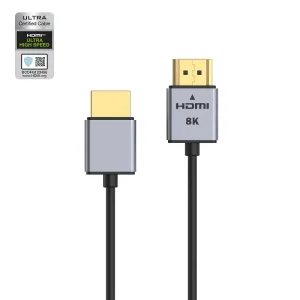
In the rapidly evolving landscape of high-definition visual displays, enterprise IT infrastructures, and professional media production, the demand for robust, high-bandwidth signal transmission has never been more critical. As display resolutions scale from 4K to 8K and even 16K, the underlying hardware—specifically DisplayPort (DP) adapters and active converters—must meet stringent electrical and mechanical specifications to prevent signal degradation, latency, and EMI interference.
Modern high-speed display protocols like DisplayPort 2.1 demand bandwidths up to 80 Gbps (UHBR20). Achieving this level of throughput over copper cables and adapters requires advanced PCB design, impedance matching, and premium shielding techniques. This whitepaper outlines the technical roadmap, manufacturing paradigms, and procurement strategies for global enterprises sourcing ODM DP adapters.
The transition from DisplayPort 1.4 to DisplayPort 2.1 represents a quantum leap in display interface capabilities. DisplayPort 1.4, utilizing High Bit Rate 3 (HBR3), caps out at a maximum link rate of 32.4 Gbps. While sufficient for 4K at 120Hz or 8K at 30Hz (with Display Stream Compression - DSC), it falls short of the requirements for next-generation immersive applications, multi-display workstations, and high-refresh-rate VR headsets.
DisplayPort 2.1 introduces Ultra-High Bandwidth Rate (UHBR) transmission modes, offering transmission speeds of 10 Gbps (UHBR10), 13.5 Gbps (UHBR13.5), and 20 Gbps (UHBR20) per lane. Over a standard 4-lane configuration, this yields a raw bandwidth of up to 80 Gbps. This massive pipeline enables uncompressed 8K displays at 60Hz, or dual 4K displays at 144Hz without any visual compromise.
| Specification | DisplayPort 1.4 | DisplayPort 2.0 / 2.1 | Target Applications |
|---|---|---|---|
| Max Bandwidth | 32.4 Gbps | 80.0 Gbps (UHBR20) | 8K/16K Displays, High-Hz Gaming |
| Max Resolution (Uncompressed) | 4K @ 120Hz | 8K @ 60Hz / 10K @ 60Hz | Medical Imaging, Broadcast Studios |
| Signal Encoding | 8b/10b (20% overhead) | 128b/132b (3% overhead) | High-efficiency data transmission |
| USB-C Integration | DP Alt Mode 1.0 | DP Alt Mode 2.0 (USB4) | Universal Docking Stations |
Our ODM engineering division is actively developing active DP-to-HDMI 2.1 and USB-C-to-DP 2.1 adapters that incorporate advanced re-timer and re-driver ICs. These active components reconstruct the high-frequency signal, mitigating the attenuation caused by long cable runs or complex PCB routing, ensuring flawless plug-and-play compatibility across diverse hardware ecosystems.
DisplayPort technology is not a one-size-fits-all solution. Different industries demand specific mechanical designs, shielding standards, and reliability metrics. As a leading ODM exporter, we deliver customized solutions across several key verticals:
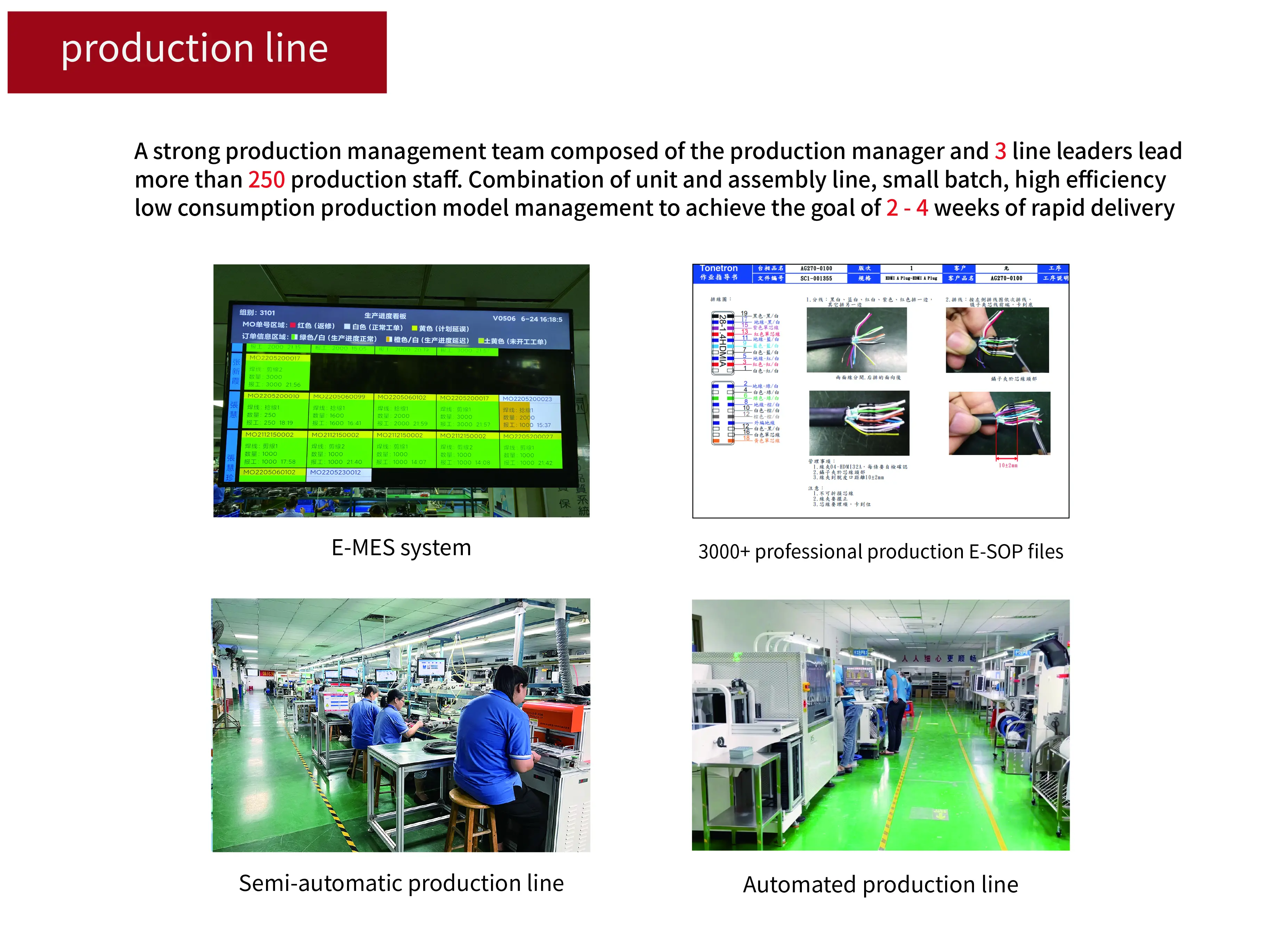
Our manufacturing facility, located in the high-tech hub of Dalingshan Town, Dongguan City, represents the pinnacle of China's Industry 4.0 evolution. Spanning an expansive 50,000 square meters, our facility integrates automated production lines, advanced quality control systems, and an agile supply chain model designed to meet the demands of global OEMs and ODMs.
By utilizing automated soldering, high-speed SMT placement, and computerized optical inspection (AOI), we achieve unprecedented precision in high-frequency connector assembly. Our 9 dedicated production lines operate under strict ISO 9001:2015 and ISO 14001:2015 guidelines, ensuring that every batch of DP adapters meets the exact electrical tolerances required for high-speed data transmission.
Furthermore, our location in the Pearl River Delta provides us with immediate access to a robust ecosystem of raw material suppliers, chip manufacturers, and logistics networks. This geographic advantage allows us to maintain a standard product delivery time of 2 to 3 weeks and a new product development lead time of just 4 to 6 weeks, giving our global partners a distinct time-to-market advantage.
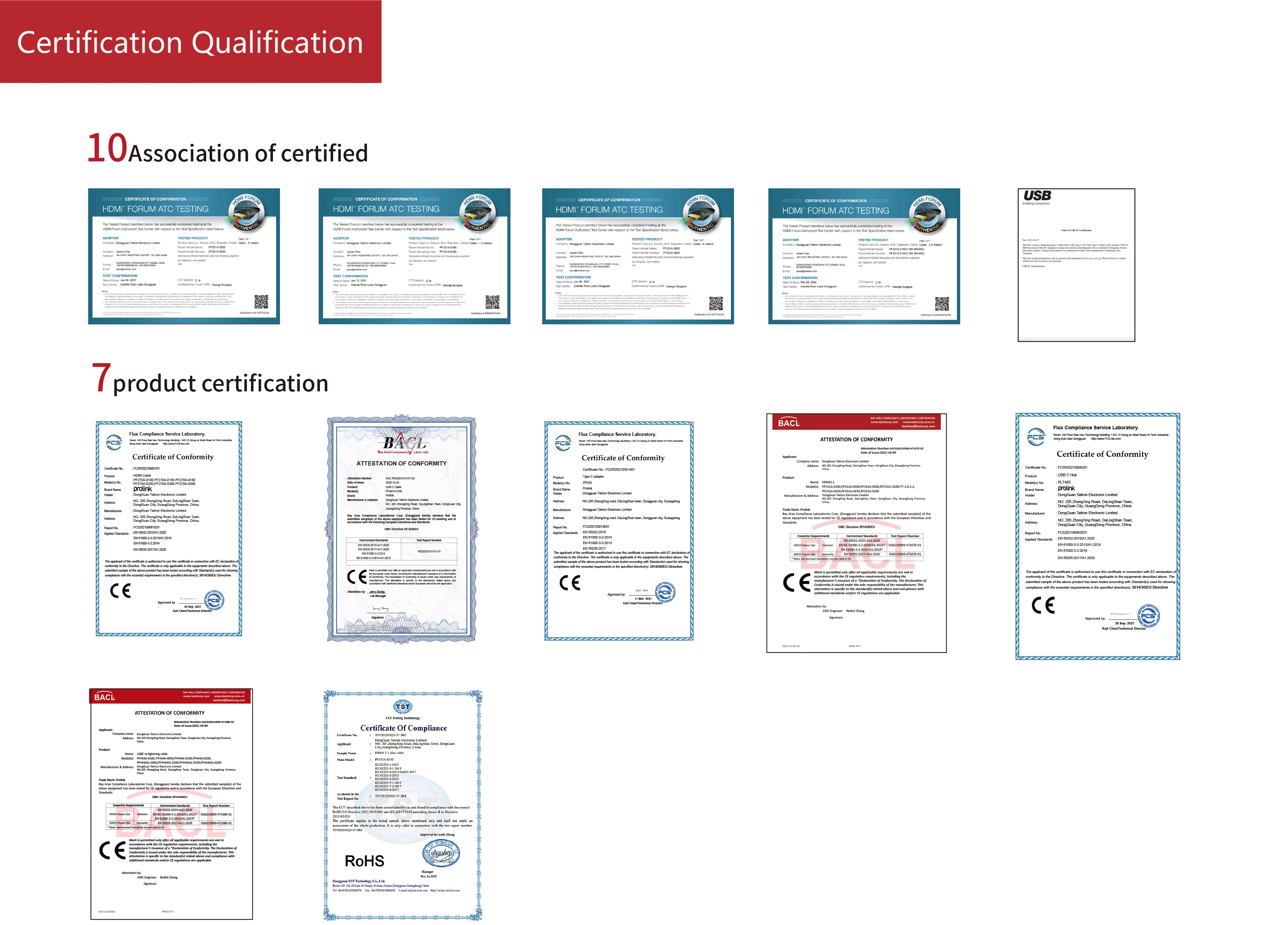
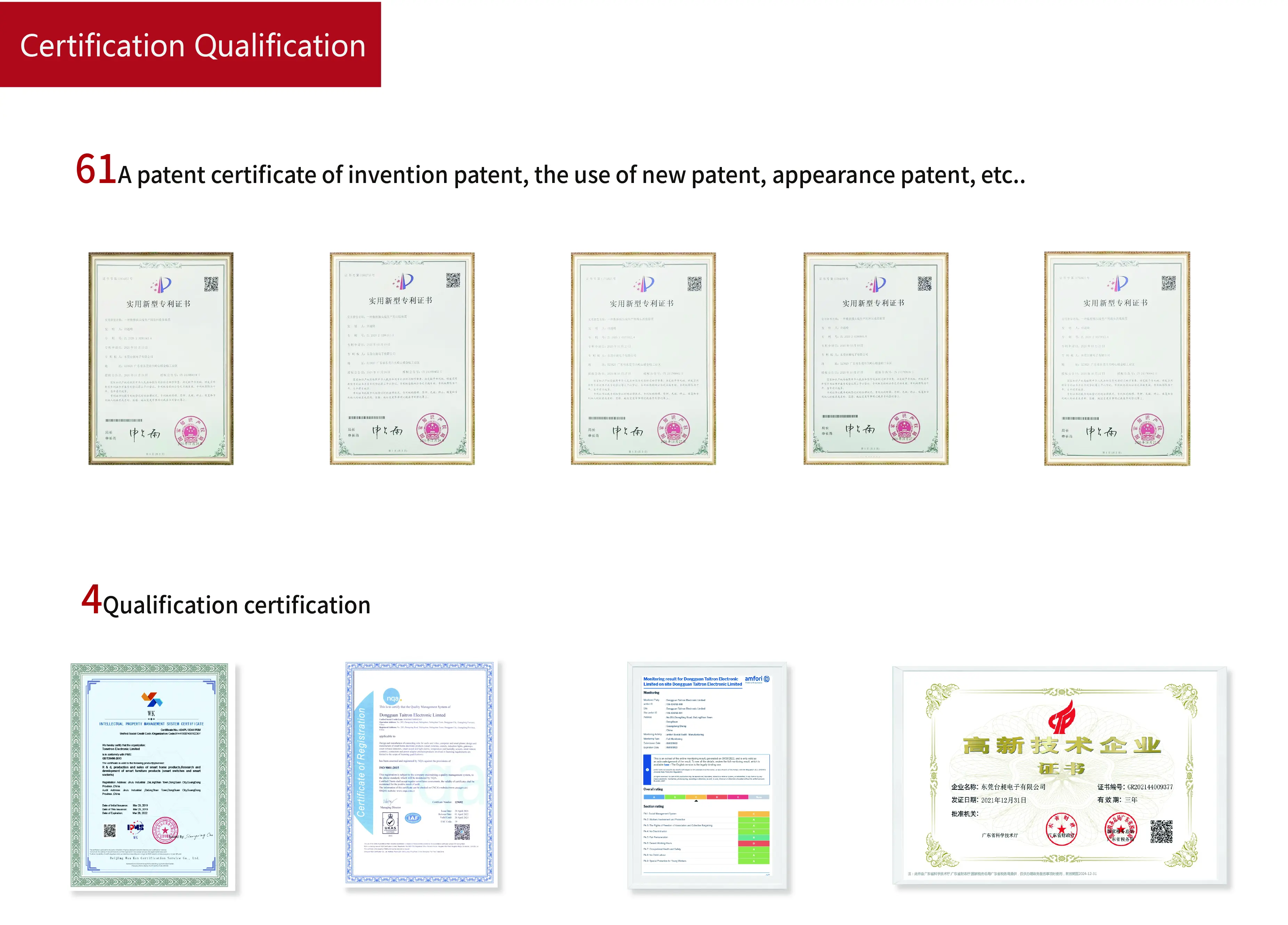
A visual tour of our 50,000㎡ production campus in Dongguan, showcasing our advanced SMT lines, assembly workshops, and quality control departments.




Understanding the cost drivers, customization options, and volume pricing tiers for enterprise-grade DisplayPort adapters.
When sourcing DP adapters at an enterprise scale, procurement officers must balance unit cost with long-term reliability. Cheap, uncertified adapters often suffer from high failure rates, poor shielding, and compatibility issues that can disrupt corporate operations. Our pricing structure is transparent and designed to reward volume commitments while maintaining the highest quality standards.
Because raw material costs (copper, chipsets) fluctuate, we provide dynamic, volume-based pricing. Contact our sales engineering team today to receive a customized RFQ tailored to your specific technical requirements and volume forecasts. Standard OEM orders start at an MOQ of 1,000 units.
Get authoritative answers to the most common technical and commercial questions regarding DisplayPort adapters and ODM sourcing.
Passive adapters rely on the source device's DisplayPort Dual-Mode (DP++) capability to translate the signal to HDMI or DVI. They are cost-effective but limited in resolution and cable length. Active adapters, on the other hand, contain an internal converter chipset that actively translates the DP signal to HDMI/DVI/VGA. Active adapters are required for multi-display setups (like AMD Eyefinity), long cable runs, and high-resolution/high-refresh-rate outputs (such as 4K @ 60Hz or above).
Yes, absolutely. As a dedicated ODM/OEM manufacturer, we offer comprehensive customization services. This includes custom tooling for unique aluminum or plastic shell designs, laser-engraved logos, custom cable lengths, specific jacket materials (like braided nylon), and fully branded retail or bulk packaging. Our new product development lead time is 4 to 6 weeks.
We employ rigorous testing protocols throughout the manufacturing process. Our facility is equipped with network analyzers and TDR (Time Domain Reflectometry) testers to measure impedance matching and insertion loss. To combat EMI (Electromagnetic Interference), our adapters feature a complete internal metal shield soldered directly to the connector shell, along with premium multi-shielded cables (braid + foil + drain wire).
Our standard payment terms are T/T (Telegraphic Transfer), with a 30% deposit upon order confirmation and the 70% balance due before shipment. We offer flexible shipping terms including FOB Shenzhen/Guangzhou, CIF, and EXW. Our logistics team coordinates with major global freight forwarders to ensure safe and timely delivery via sea, air, or express courier.
Yes, all our products are manufactured to comply with RoHS (Restriction of Hazardous Substances) and REACH regulations. We also hold CE, FCC, and MFi certifications, ensuring that our products meet the strict environmental and safety standards required for import and sale in the European Union, North America, and other global markets.
Browse our extended catalog of professional-grade adapters, high-speed charging cables, and high-bandwidth display solutions.
 Taitron Electronics