High-performance interface adapters, active optical cables, and multi-functional docking stations engineered for modern enterprise infrastructures.
In the contemporary landscape of enterprise networking, the physical medium of data transmission remains the ultimate guarantor of security, latency minimization, and bandwidth integrity. As consumer and enterprise hardware designs relentlessly trend toward ultra-thin profiles—sacrificing the integrated RJ45 port on the altar of aesthetics—the demand for external network interface adapters, commonly referred to as Ethernet dongles, has experienced exponential growth. Far from being simple legacy accessories, modern Ethernet dongles are sophisticated, active hardware interfaces that bridge high-speed bus architectures (such as USB 3.1, USB4, and Thunderbolt) with local area networks (LANs).
This whitepaper explores the critical dynamics of sourcing high-quality, cost-effective Ethernet dongles from leading global manufacturers and factories. For procurement officers, systems integrators, and IT directors, identifying the right manufacturing partner is not merely a transaction based on unit price; it is a strategic decision that impacts network reliability, device compatibility, and long-term operational expenditure (OPEX). By examining the technological shifts, supply chain mechanics, and manufacturing standards of industry leaders like Dongguan Taitron Electronics Limited, this document provides the analytical framework necessary to make high-yield procurement decisions.
"While wireless technologies like Wi-Fi 6E and Wi-Fi 7 offer unprecedented theoretical speeds, they remain inherently vulnerable to electromagnetic interference, physical structural barriers, and spectrum congestion. In mission-critical environments—such as financial trading floors, medical imaging suites, and automated industrial plants—a hardwired Ethernet connection is non-negotiable."
Global procurement of enterprise-grade connectivity hardware is fraught with hidden complexities. When sourcing "discount" or wholesale Ethernet dongles, buyers must navigate a minefield of technical compromises that can severely compromise network performance and device longevity. The primary challenges in global sourcing include:
The core of any Ethernet dongle is its integrated circuit (IC) controller—typically sourced from industry giants like Realtek (e.g., RTL8153) or ASIX (e.g., AX88179). Substandard factories often utilize counterfeit, refurbished, or older-generation chipsets to lower production costs. These inferior components lead to frequent connection drops, high packet loss, and severe driver incompatibility issues across modern operating systems like Windows 11, macOS, and enterprise Linux distributions. Authoritative manufacturers guarantee the use of genuine, certified ICs that support advanced features such as Wake-on-LAN (WoL), PXE boot, and MAC address pass-through.
Gigabit Ethernet processing generates significant thermal energy. Cheap dongles housed in poorly engineered ABS plastic shells act as thermal insulators, trapping heat inside the device. This leads to thermal throttling, where the chipset automatically reduces data throughput to prevent self-destruction, resulting in degraded network speeds. High-tier factories employ advanced thermal design principles, utilizing aluminum alloy enclosures with internal thermal pads to efficiently dissipate heat, ensuring continuous, peak-performance operation under heavy network loads.
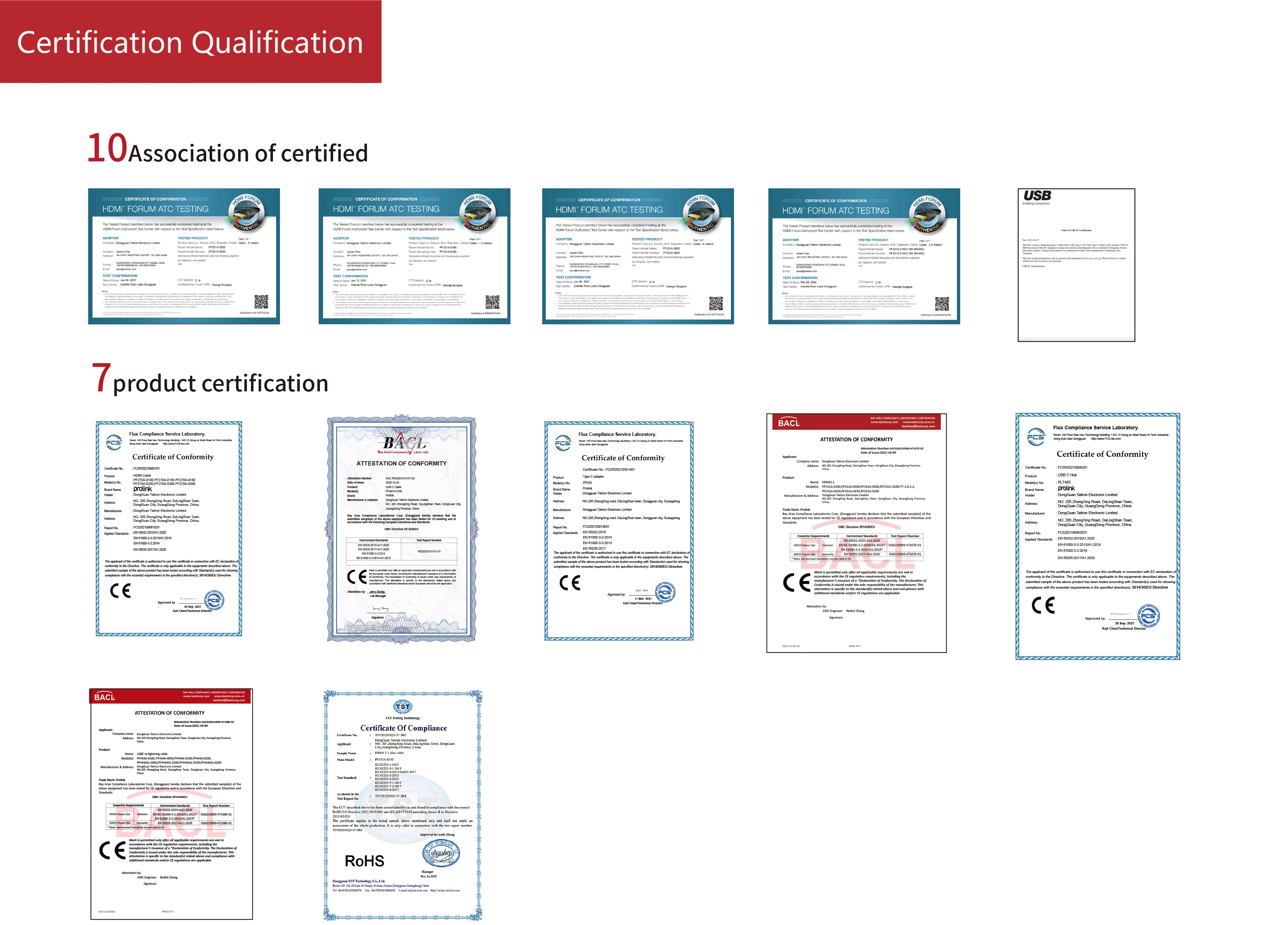
Importing electronic hardware into highly regulated markets (such as the European Union or North America) requires strict adherence to compliance standards. Many low-cost factories fail to secure necessary certifications, exposing importers to severe legal and financial risks. Enterprise-grade sourcing requires partners who provide fully documented compliance with CE, FCC, RoHS, and REACH directives, ensuring the hardware is safe, environmentally responsible, and legally compliant for global distribution.
We source exclusively from certified silicon vendors (Realtek, ASIX) to guarantee native OS compatibility and zero driver overhead.
Engineered with premium alloy housings and thermal interface materials to eliminate thermal throttling during sustained gigabit transfers.
100% compliant with CE, FCC, RoHS, and REACH standards, backed by fully traceable laboratory test reports.
The global electronics supply chain is highly centralized, with southern China—specifically the Dongguan and Shenzhen industrial corridors—serving as the undisputed epicenter of advanced hardware manufacturing. Sourcing from this region offers unparalleled advantages in terms of cost efficiency, component availability, and manufacturing agility. However, the modern procurement paradigm has evolved from simple low-cost labor sourcing to a focus on Industry 4.0 manufacturing resilience.
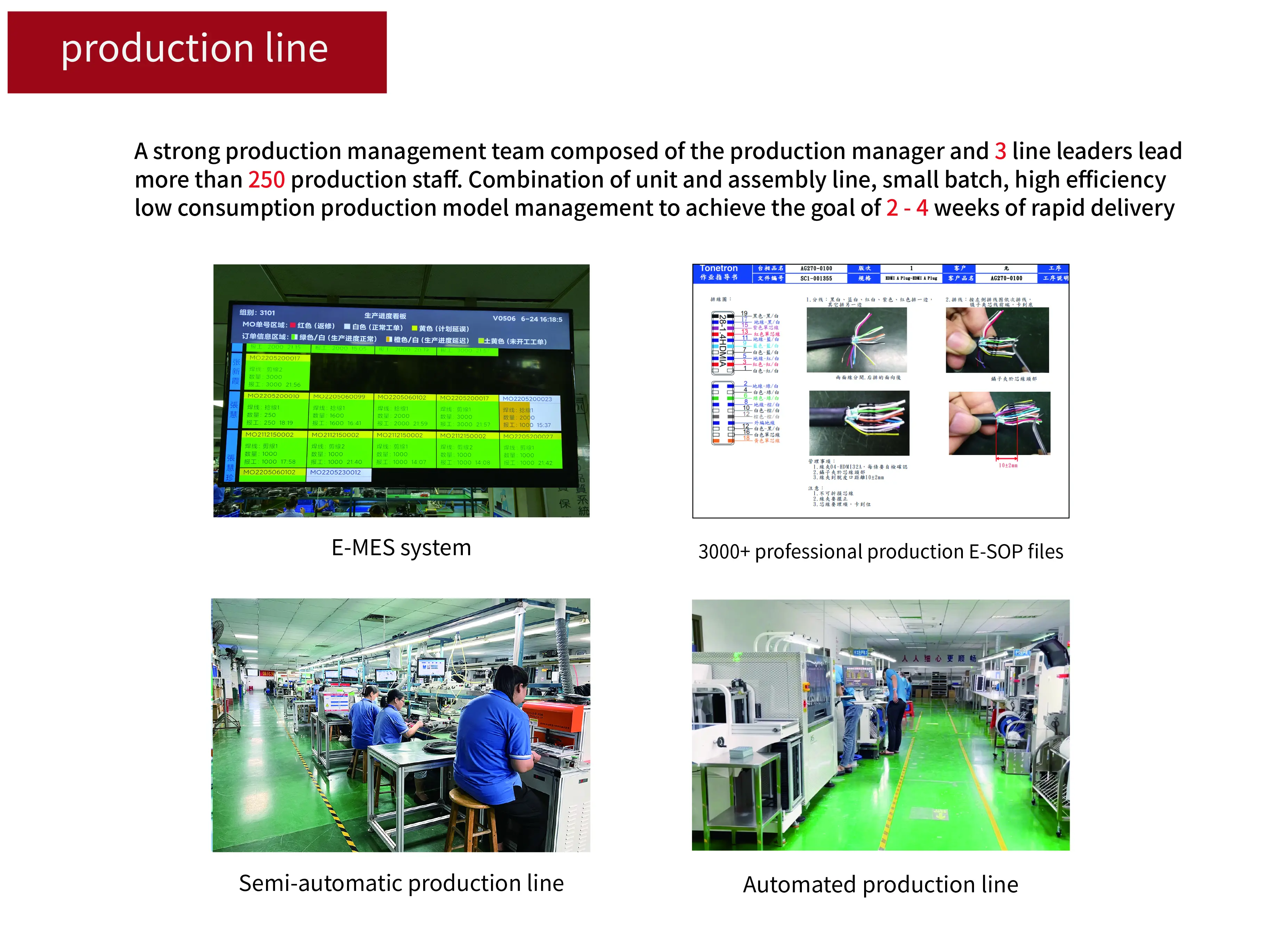
Leading factories in Dongguan, such as Dongguan Taitron Electronics Limited, have transitioned to highly automated, vertically integrated production models. This integration is crucial for maintaining consistent quality and pricing stability in a volatile global market. By controlling every stage of production—from raw copper wire drawing and high-speed cable extrusion to precision SMT (Surface Mount Technology) PCB assembly and final overmolding—these advanced facilities eliminate the supply chain bottlenecks and quality variances associated with multi-tiered outsourcing.
Furthermore, Industry 4.0 integration allows for real-time quality monitoring. Automated Optical Inspection (AOI) systems, high-frequency network analyzers, and automated custom testing rigs verify the electrical and mechanical integrity of every single Ethernet dongle before it leaves the factory floor. This level of precision is impossible to achieve in non-integrated, low-tech assembly shops, making the choice of factory the single most important factor in ensuring product reliability.
Founded in 1984 in Keelung, Taiwan, under the name Tonetron, our organization has stood at the forefront of the audio, video, and data connectivity industry for nearly four decades. In 1993, anticipating the massive industrial expansion of mainland China, we established our self-built, independent production industrial park in Dalingshan Town, Dongguan City, changing our name to Dongguan Taitron Electronics Limited. This strategic move allowed us to scale our manufacturing capabilities while maintaining the rigorous quality control standards established during our foundational years in Taiwan.
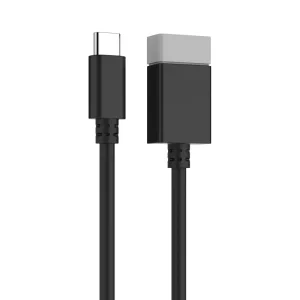
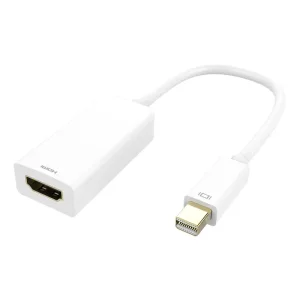
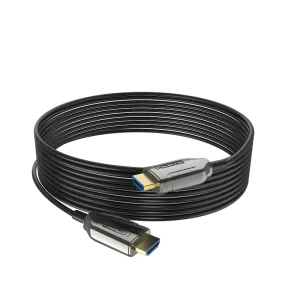
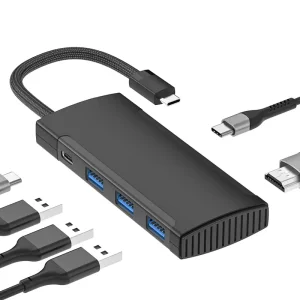
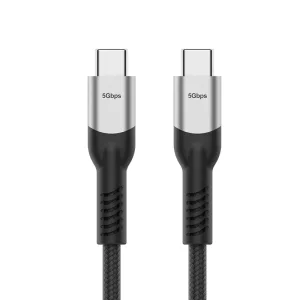
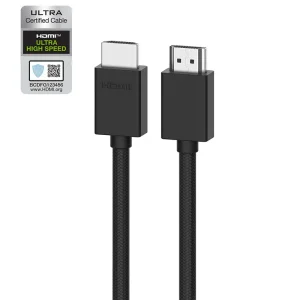
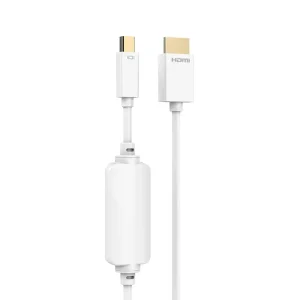
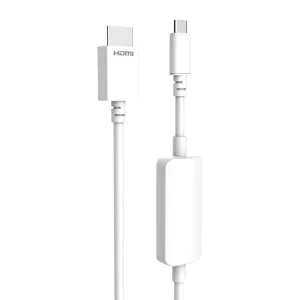
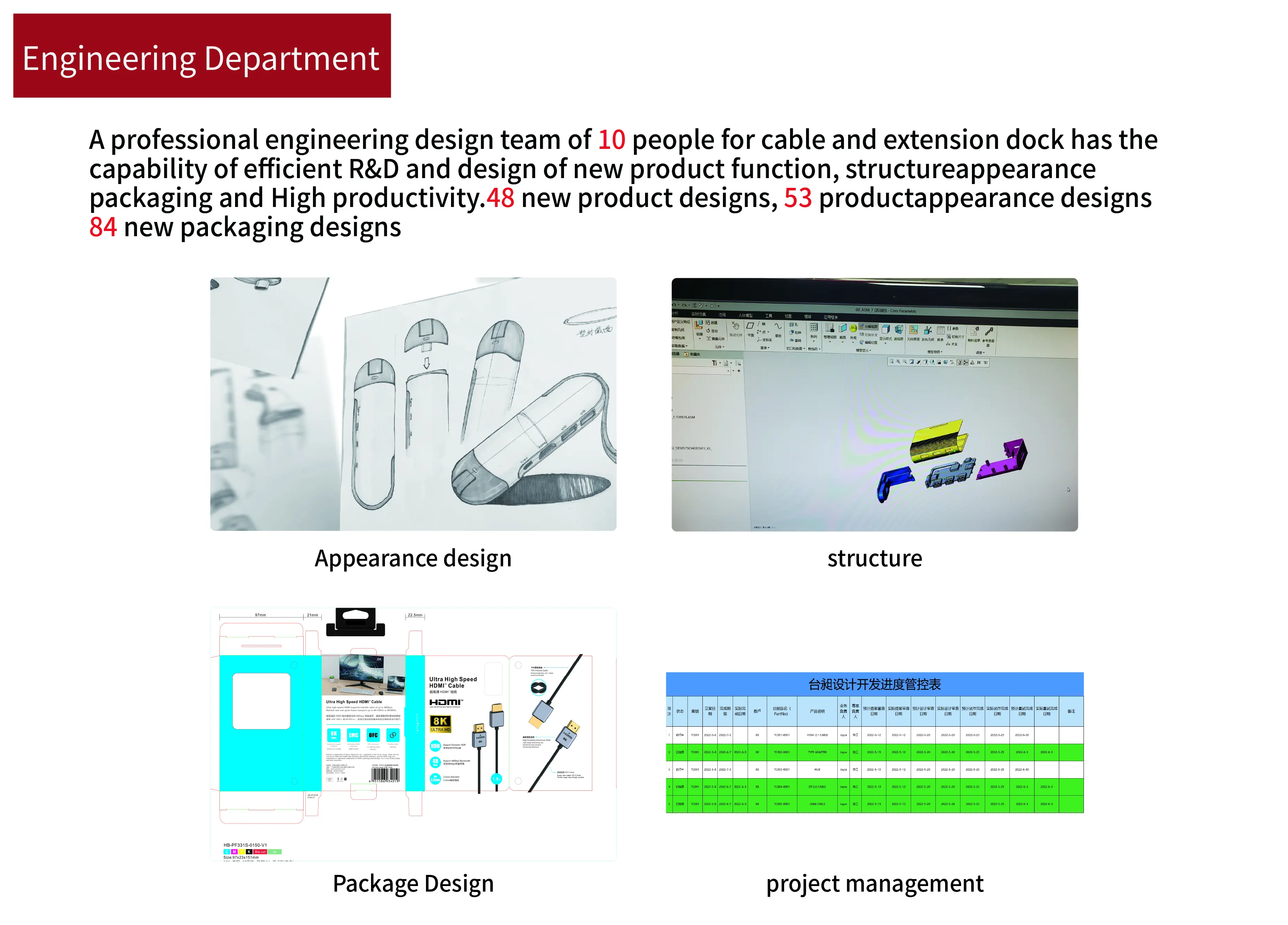
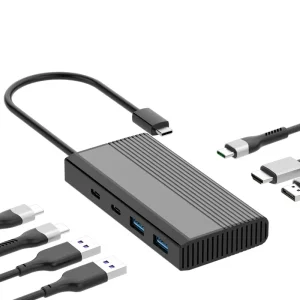
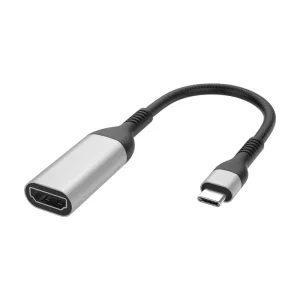
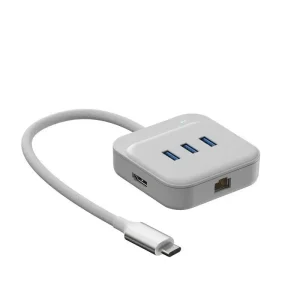
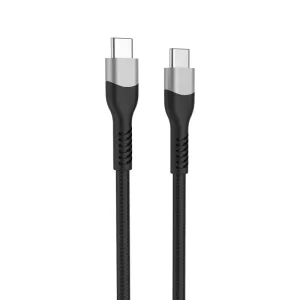
Over the past 38 years, we have systematically expanded our research, development, and manufacturing capabilities. What began as a foundation in professional audio and video connection lines has evolved into a comprehensive, high-end portfolio. Today, we are a premier manufacturer of ultra-high-speed data cables and connectivity interfaces, including HDMI 2.1 cables, DP 2.0 cables, USB4 data cables, USB-C 3.1 Gen2 cables, high-power USB charging cables, 8K HD conversion cables, and multi-functional Type-C expansion docking stations.
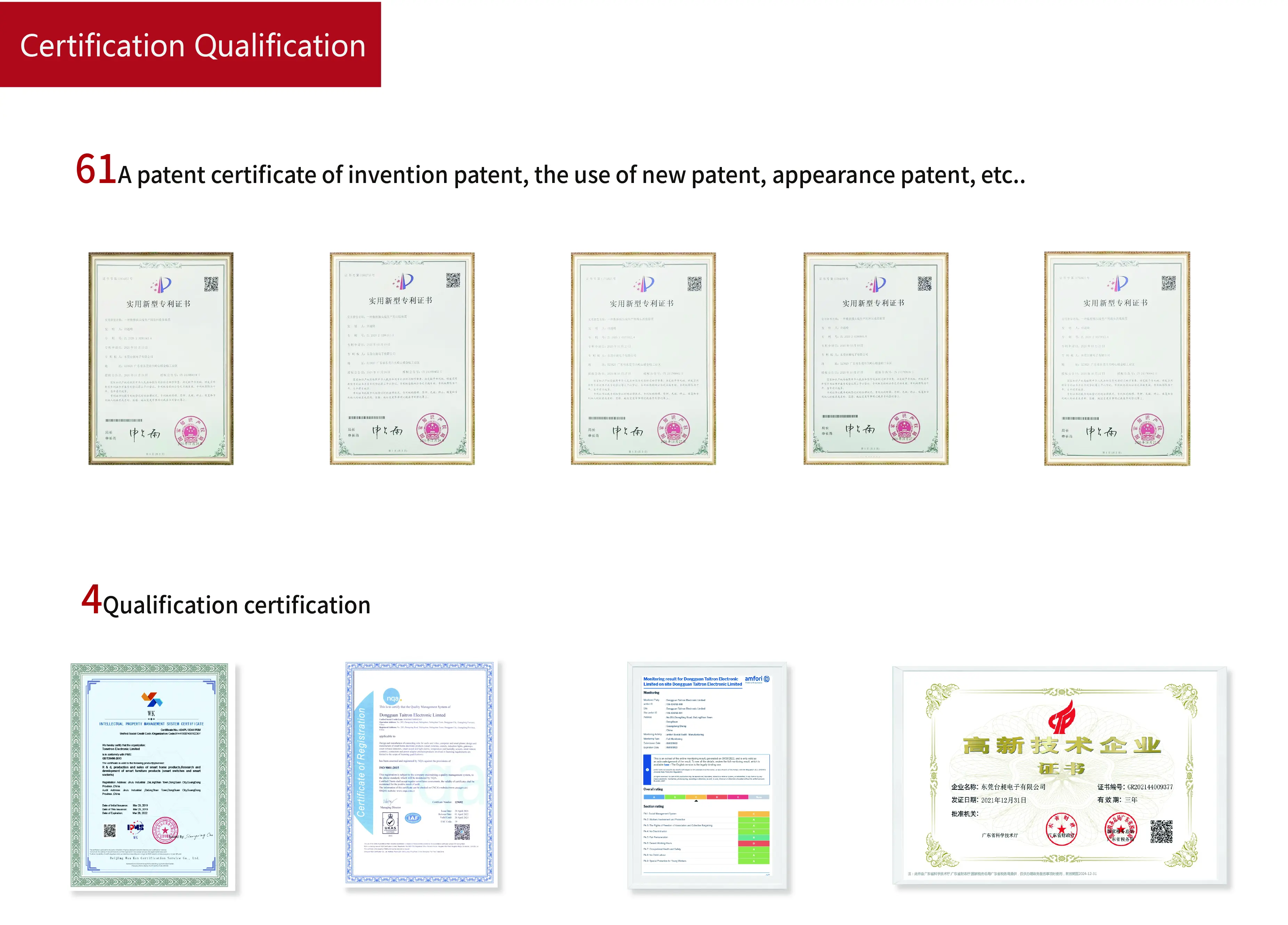
Our massive 50,000 square meter industrial park is optimized for high-volume, high-precision production. With 9 fully optimized production lines and a dedicated workforce of over 300 highly trained technicians and engineers, we maintain an annual turnover exceeding 100 million RMB. Our robust R&D pipeline allows us to bring new, custom-engineered products from concept to production in just 4 to 6 weeks, while our standard product delivery lead time is a highly competitive 2 to 3 weeks. We stand behind every product we manufacture, offering a comprehensive 1-year after-sales warranty on all shipments.




To understand why premium manufacturing matters, one must examine the internal architecture of a high-performance Ethernet dongle. A standard USB-C to Gigabit Ethernet adapter consists of several critical subsystems, each of which must be engineered to perfection:
The Physical Layer (PHY) and Media Access Control (MAC) are typically integrated into a single silicon chip. The PHY is responsible for transmitting and receiving analog signals over the copper twisted-pair cabling, while the MAC handles the data link layer protocols. Premium dongles utilize controllers that support hardware-level checksum offloading (IPv4, IPv6, TCP, UDP) to reduce CPU utilization on the host computer, freeing up processing power for critical applications.
Ethernet cables are long copper antennas that can easily collect electrostatic charges and electromagnetic interference (EMI). Without robust protection, these electrical surges can travel up the cable and destroy the dongle's controller or, worse, the host computer's motherboard. Authoritative manufacturers integrate dedicated ESD protection diodes and multi-layer EMI shielding (including metal cans over the PCB and braided shielding within the cable assembly) to isolate and ground these harmful currents.
Data transmission at gigabit speeds requires incredibly precise timing. Cheap dongles use low-cost, high-tolerance ceramic resonators that are highly sensitive to temperature fluctuations, leading to clock drift and packet loss. High-performance adapters utilize high-precision crystal oscillators (TCXOs) that maintain timing accuracy across a wide temperature range, ensuring stable, error-free data transmission even in harsh industrial environments.
Ethernet dongles are deployed across a vast array of industries, each with unique environmental and performance requirements. Sourcing the correct hardware requires an understanding of these localized use cases:
In modern corporate offices, hot-desking has become the standard operational model. Employees connect their ultra-thin laptops to shared docking stations or multi-port hubs daily. In these environments, Ethernet dongles must offer universal plug-and-play compatibility across diverse hardware fleets (including MacBooks, ThinkPads, and Dell XPS laptops) and support corporate network security protocols like 802.1X authentication.
On the factory floor, wireless connectivity is highly unreliable due to massive electromagnetic interference from heavy machinery. Industrial PCs, PLC controllers, and IoT gateways require ruggedized, hardwired Ethernet connections. Dongles deployed in these scenarios must feature robust ABS or metal shells, strain-relief cable boots, and wide operating temperature tolerances to withstand vibration, dust, and thermal stress.
For defense contractors, government agencies, and financial institutions, data security is paramount. Wireless networks are inherently susceptible to eavesdropping and unauthorized access. These organizations mandate physical, wired connections for all devices processing sensitive information. Ethernet dongles used in these sectors must support advanced security features like MAC address cloning and secure PXE booting for remote OS deployment and verification.
Expert answers to the most common technical and procurement questions regarding wholesale Ethernet dongles and custom manufacturing.
Explore our broader range of precision-engineered data, audio, and video transmission interfaces designed for seamless cross-platform integration.
 Taitron Electronics