Explore our premium B2B custom components built under strict ISO-certified manufacturing operations.
Understanding search intent, standard specifications, and hardware expectations of professional procurement managers.
When B2B buyers search for "China USB Ethernet LAN Adapter Companies & Quotes", they are not just looking for a basic hardware supplier. The underlying search intent demands answers to complex technical questions: Which chipset offers the lowest network latency? How do manufacturing plants in Dongguan assure zero-defect rates? What is the impact of USB-C controller designs on the stability of a Gigabit connection?
As laptops and enterprise devices become thinner, they continue to shed structural RJ45 Ethernet ports. Meanwhile, wireless environments face security challenges and RF interference in modern office environments. This has triggered a rapid increase in demand for reliable USB Ethernet solutions. This whitepaper systematically breaks down the architectural, environmental, and global logistic variables involved in sourcing high-performance adapters directly from leading manufacturers.
From a semantic perspective, the modern "USB Ethernet Adapter" query is highly linked with concepts like driverless integration, ASIX AX88179 vs Realtek RTL8153 controller performance, PXE boot support, and Wake-on-LAN (WoL) compatibility.
Procurement teams require validation that a prospective Chinese supplier possesses the necessary engineering history, quality assurance labs, and manufacturing scale to support custom orders. Below, we provide an extensive overview of how these standards are met at our self-built manufacturing facility.
Wired connectivity relies heavily on PHY (Physical Layer) design. Premium manufacturers do not simply solder components onto PCBs; they calculate impedance mismatch values, layout differential pairs to avoid signal integrity loss, and construct multi-stage ESD protection networks to secure local host controllers from power spikes.
A history of engineering excellence, scaling from local assembly roots to a highly-patented global manufacturing leader.
In 1984, Dongguan Taitron Electronics Limited., formerly known as Tonetron, was founded in Keelung, Taiwan. In 1993, the company executed a strategic move to its self-built independent production industrial park in Dalingshan Town, Dongguan City, China, transitioning its corporate entity to Dongguan Taitron Electronics Limited.
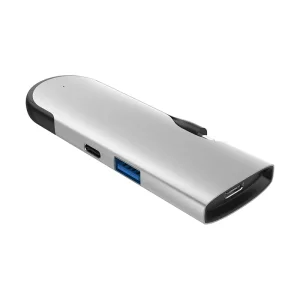
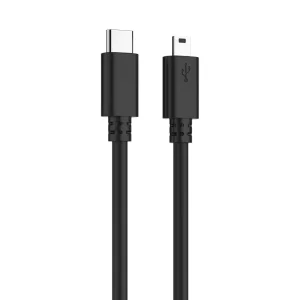
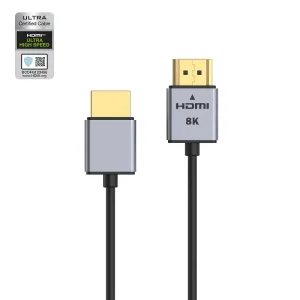
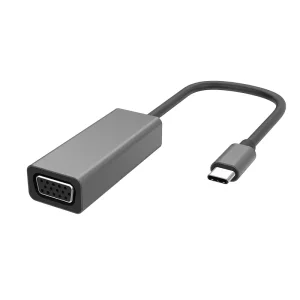
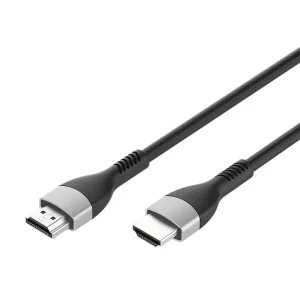
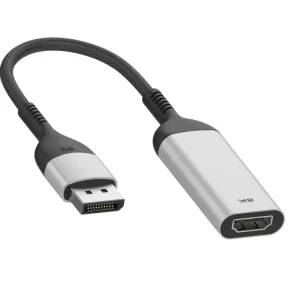
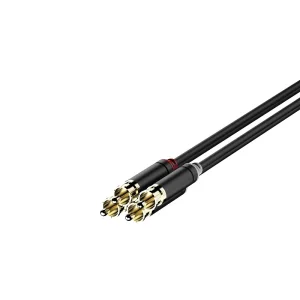
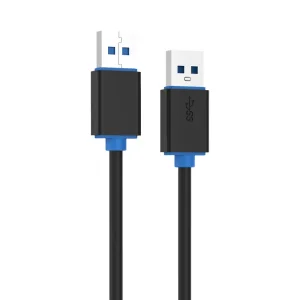
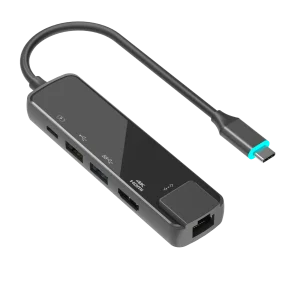
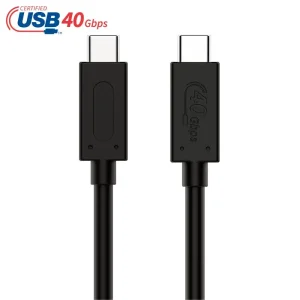
For over 38 years, our operational model has evolved from manufacturing professional video and audio peripheral equipment connection lines to establishing a state-of-the-art research, development, and high-volume production platform. Today, our engineering focus encompasses high-speed HDMI 2.1 cables, DP 2.0 cables, USB4 data cables, USB-C 3.1 Gen2 data interfaces, high-power USB charging assemblies, 8K ultra-high-definition conversion cables, and multi-functional Type-C expansion docks.
A deep look into the transitioning standards from USB 3.0 to USB4 and how multi-gigabit controllers operate.
Standard Gigabit (10/100/1000 Mbps) Ethernet endpoints are transitioning toward Multi-Gigabit topologies. Supported by next-generation chipsets like the Realtek RTL8156B, current B2B custom adapters deliver up to 2.5 Gbps over legacy Cat5e and Cat6 cabling, optimizing local data transfer speeds without requiring complete structural rewiring.
Enterprise-level networking calls for remote manageability. Our adapters support PXE (Preboot Execution Environment) which allows systems to boot over a network server, and Wake-on-LAN (WoL) to power up dormant enterprise stations, complete with VLAN tagging (IEEE 802.1Q) to divide virtual LAN spaces for system administrators.
Operating high-frequency USB 3.0 lines creates significant RF noise that can degrade adjacent Wi-Fi signals (2.4GHz spectrum). To resolve this, our assemblies utilize dense aluminum-foil wraps, over-braided copper mesh, and specialized internal metal cans that completely isolate high-speed differential signal pathways.
Analyzing how different regional markets configure and deploy USB Ethernet adapters to meet strict local parameters.
In European industrial environments, USB Ethernet adapters are frequently deployed inside control panels and integrated cabinets to bridge legacy Programmable Logic Controllers (PLCs) lacking integrated NICs. These applications require strict compliance with DIN rail specifications, high-strength shielding (to survive electrical hum and EMI), and driverless compatibility with Linux-based real-time systems.
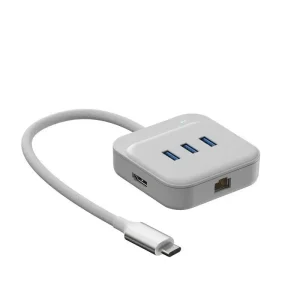
With the rapid adoption of hot-desking, North American office parks rely on USB-C docking hubs that combine power delivery (USB-PD) with stable Gigabit connections. Security regulations in banking and corporate institutions mandate that MAC addresses pass directly from the host system through the adapter to the core switch (MAC Address Pass-Through), allowing administrators to whitelist devices despite using external network dongles.
Wired stability is essential for high-fidelity medical imaging systems in hospitals where wireless signals can interfere with sensitive diagnostic tools. Custom USB-C-to-LAN dongles used in medical carts undergo strict biological/chemical cleaning resilience checks (IP ratings) and require galvanic isolation configurations to prevent stray voltage loops from reaching patients.
Automotive repair shops globally utilize custom USB-to-RJ45 adapters to connect vehicle computer ports (DoIP - Diagnostics over IP) to service technician laptops. The adapters must withstand physical stress, dynamic temperature fluctuations, and oil exposure while maintaining uninterrupted high-speed communication to flash ECU firmware.
A closer look at our 50,000㎡ production facility, visual operations, and quality control systems.
The connectivity industry depends on highly integrated, responsive ecosystems. Operating within Dalingshan Town, Dongguan City, China, Dongguan Taitron Electronics Limited is positioned directly inside the world's most dense electronics supply chain network. This localization allows us to source premium materials—from high-conductivity copper rods and specialized outer TPE jacket compounds to premium controller chipsets—within hours.
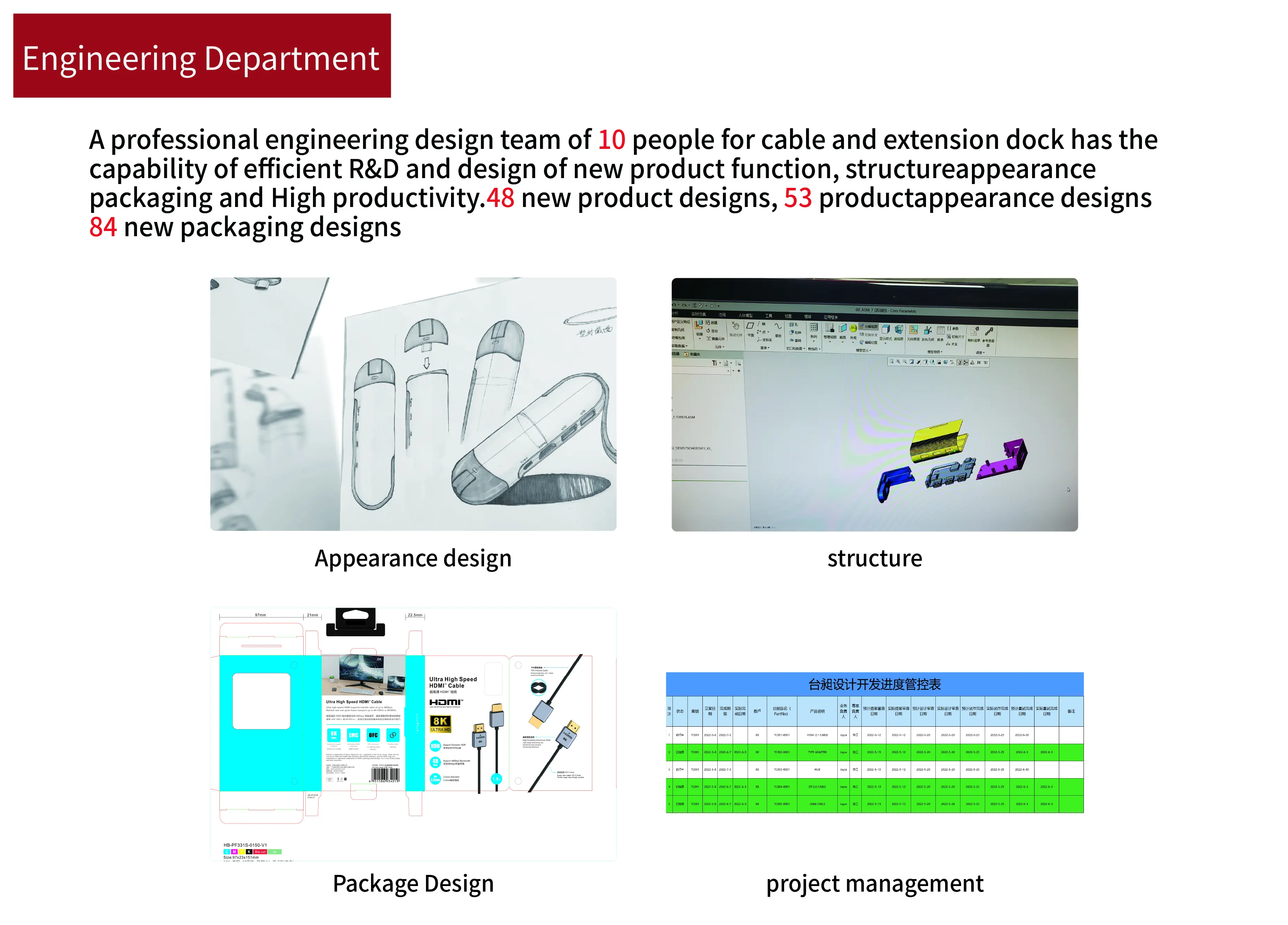
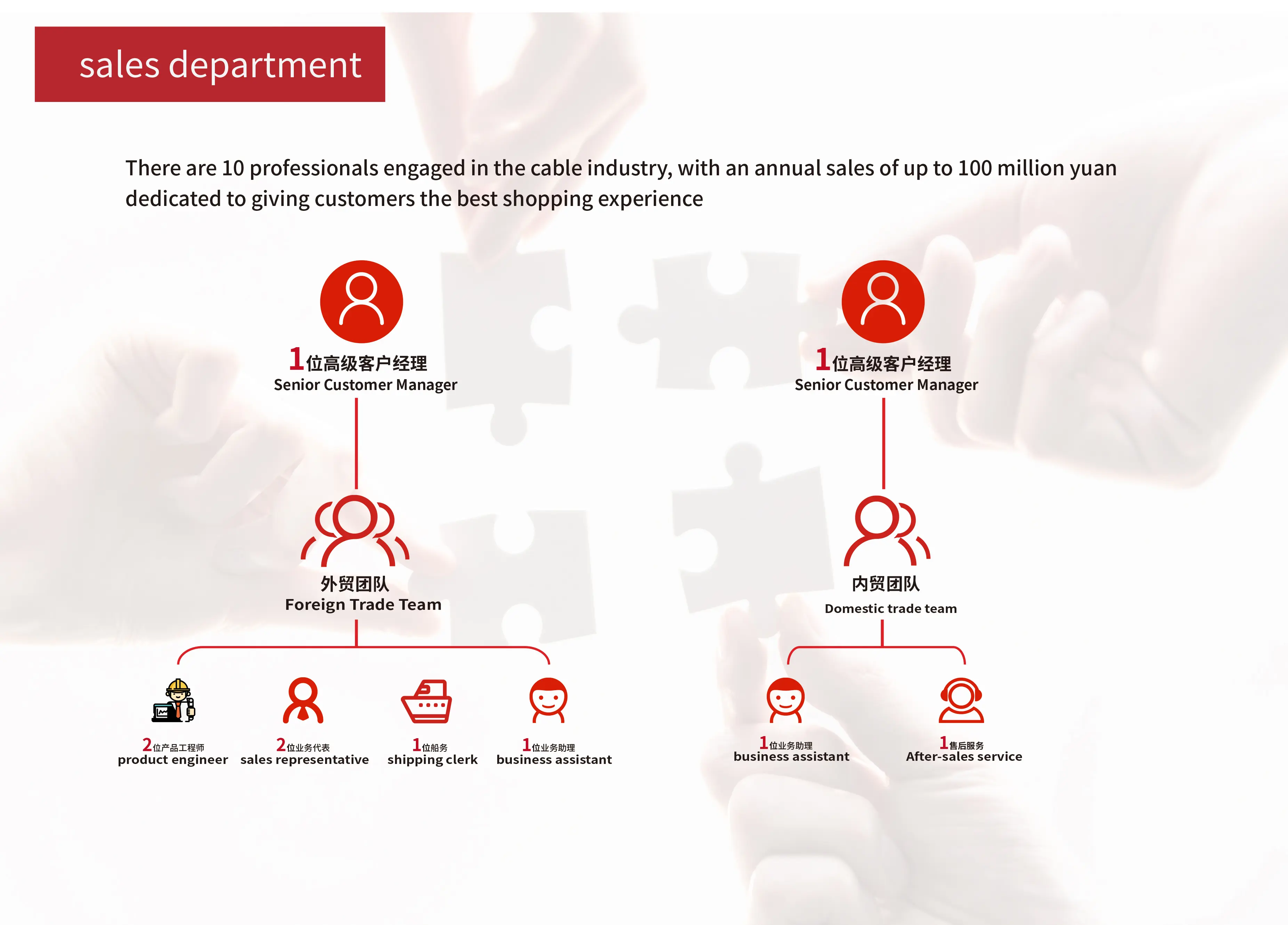
Our facility spans 50,000 square meters and houses 9 automated and semi-automated production lines. This allows us to scale manufacturing volume to meet demand while maintaining a standard delivery cycle of just 2 to 3 weeks for established SKUs, and 4 to 6 weeks for entirely custom, new-product OEM/ODM developments.



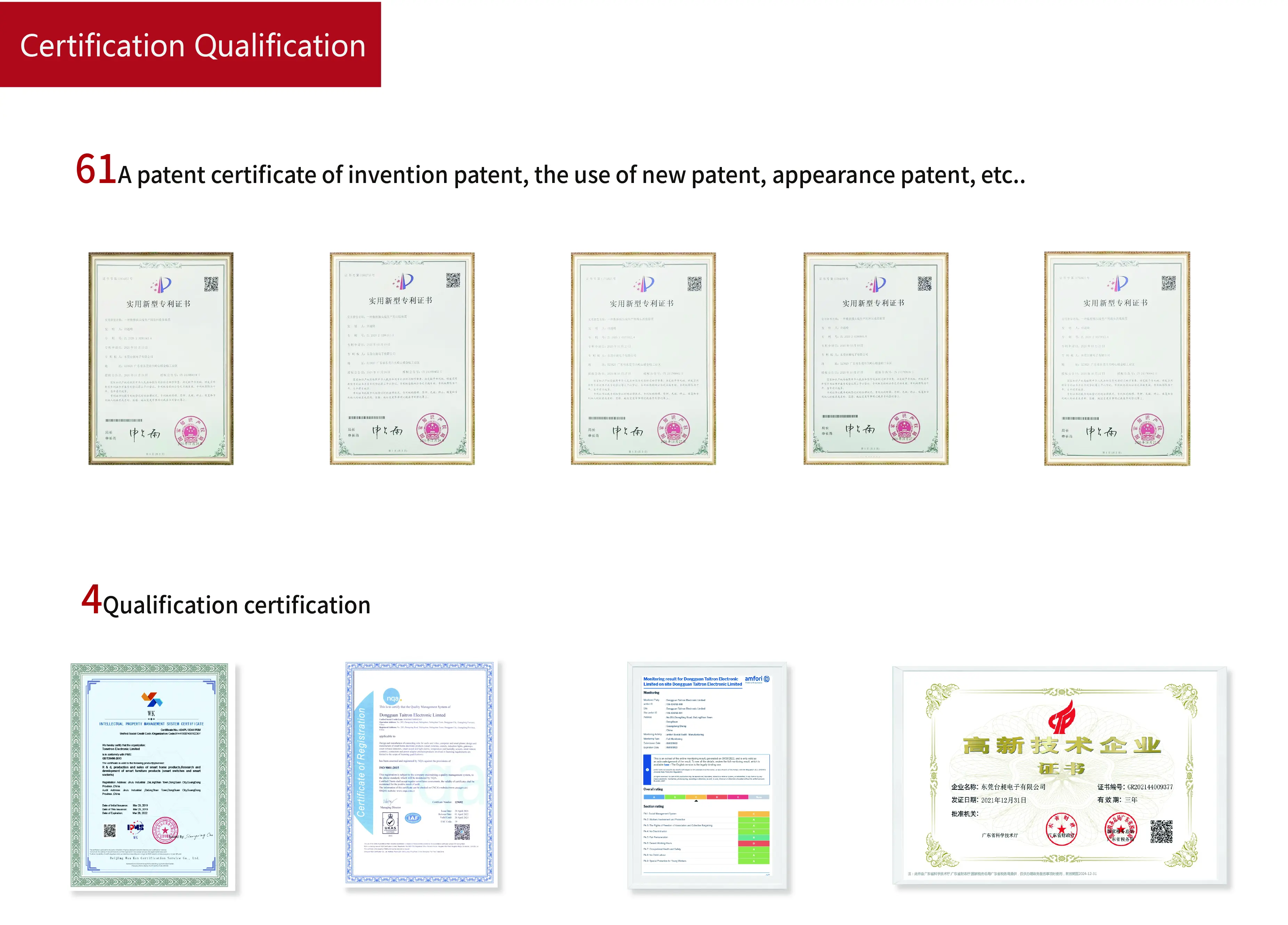
Ensuring cross-border compliance, environmental responsibility, and structural performance tests for B2B channels.
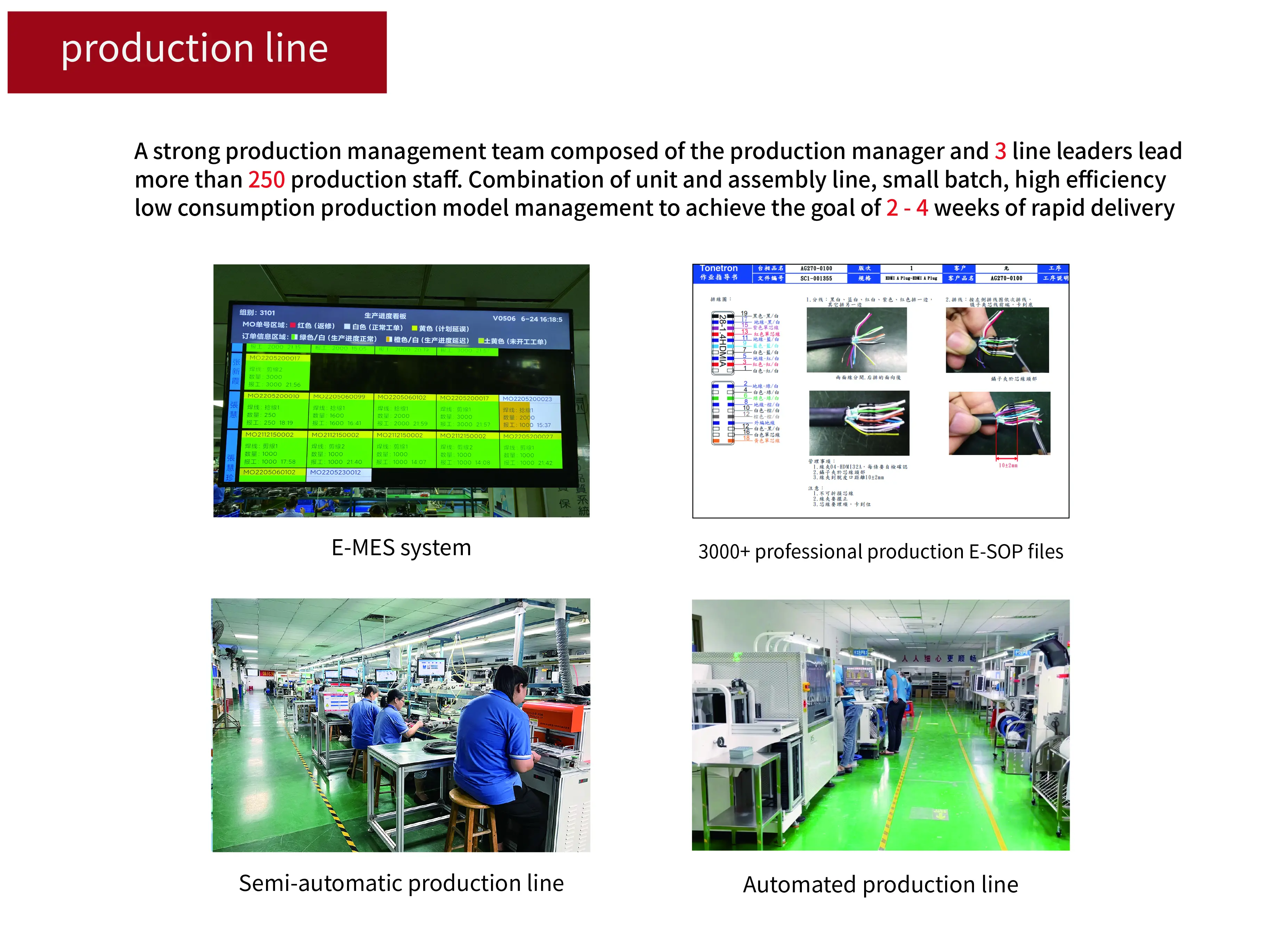
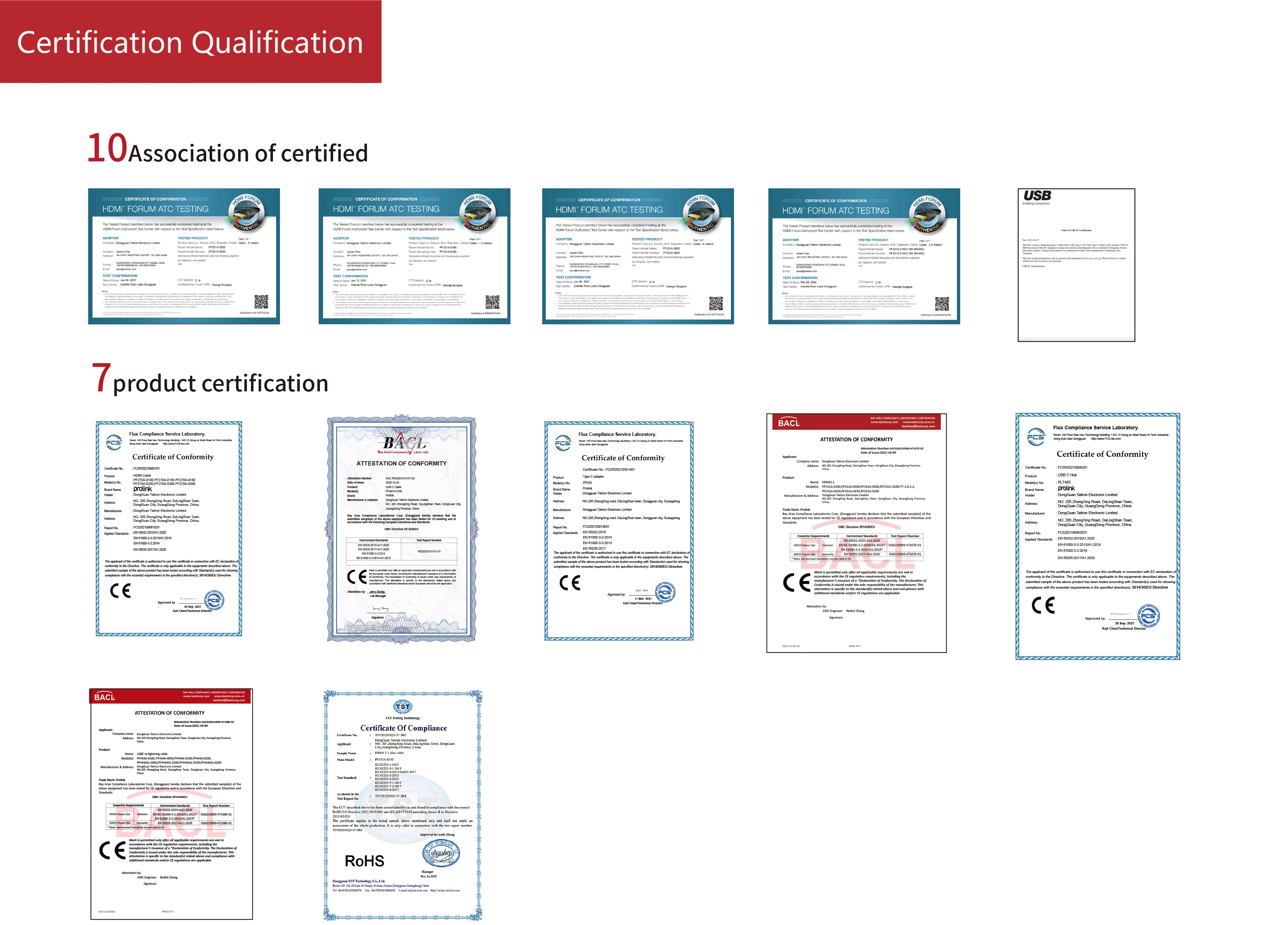
In international distribution, electrical, environmental, and physical safety compliance are critical benchmarks. Procurement teams must confirm that bulk adapter batches satisfy local consumer protection rules. Over our 38-year history, Taitron has obtained 61 technological patents and maintains active compliance profiles with international certification structures:
Clear, direct answers to common questions asked by B2B procurement managers and system integrators.
We typically integrate Realtek RTL8153, ASIX AX88179, or RTL8156B (for 2.5Gbps designs). We configure the internal firmware profile of these controllers to allow driverless setup across Windows, macOS, ChromeOS, and modern Linux distributions.
Our standard production delivery window is 2 to 3 weeks for established designs. For customized OEM configurations (including tooling adjustment, proprietary PCB layout design, and client logo stamping), the new product R&D cycle takes 4 to 6 weeks.
We use multi-layer shielding configurations. The internal differential USB pairs are wrapped in aluminum foil, surrounded by a high-coverage tinned copper braid shield, and enclosed in an inner metal structure before injection molding. This design contains electromagnetic noise within the device housing.
Yes. Many of our multi-functional Type-C docks and dedicated USB-C to LAN dongles support MAC address cloning and pass-through protocols, ensuring compatibly managed network access in enterprise environments.
Yes. We offer options including high-grade anodized aluminum alloy (which helps dissipate heat in multi-port structures), ABS+PC composite shells, and custom laser engraving, silk screening, and bespoke packaging configurations.
Every production batch undergoes structural testing including cable flex testing, shell temperature cycle sweeps, TDR high-frequency differential impedance testing, and individual link validation under simulated maximum packet loads to verify zero packet-loss performance.
Browse our catalog of custom high-speed audio, video, and data cables built for global distribution channels.
 Taitron Electronics