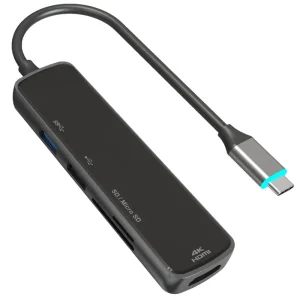
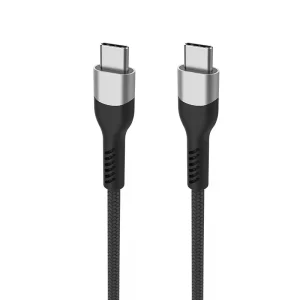
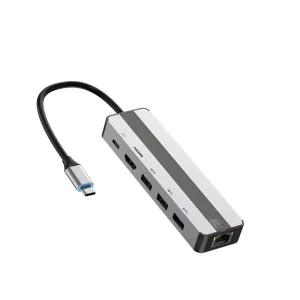
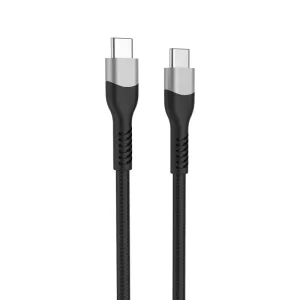
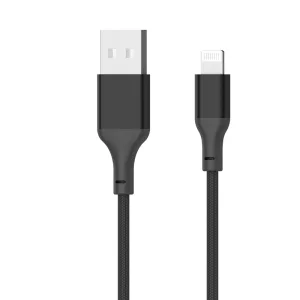
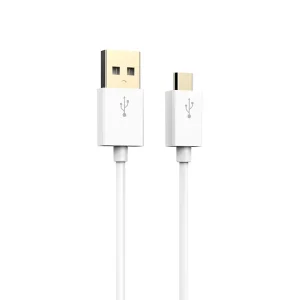
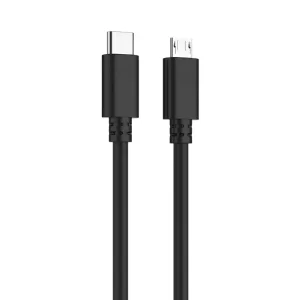
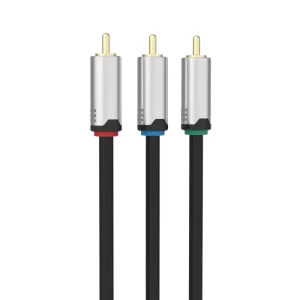
In the rapidly evolving landscape of consumer electronics, the USB C 7-in-1 Modular Adapter represents a critical inflection point in user experience design. As remote work and digital nomadism become structural pillars of the global economy, the demand for high-performance, multi-port docking stations has transitioned from a "luxury accessory" to an "essential utility."
Procurement managers at global enterprises are shifting their focus towards resilience and interoperability. The modular adapter market is no longer driven solely by price; it is driven by Information Gain. Buyers are seeking products that offer clear, verifiable data on bandwidth support (up to 10Gbps+), Power Delivery (PD) efficiency (100W+), and compatibility stability. This shift necessitates deep scrutiny of the supply chain—from raw silicon materials to EMI shielding quality.
China’s role in the global electronics ecosystem has undergone a transformation. The move toward "Factory 4.0" is characterized by the integration of IoT-enabled production lines, Automated Optical Inspection (AOI) for PCB assembly, and AI-driven predictive maintenance. This ensures that the USB C 7-in-1 Modular Adapters produced today offer lower defect rates and higher reliability than legacy counterparts. Our commitment to this standard ensures that every unit—from the casing heat dissipation efficiency to the internal chipset—meets stringent international compliance certifications.
The ubiquity of the USB-C port has unified the chaotic landscape of proprietary connectors. Whether it is a creative professional utilizing an iPad Pro for 4K video editing, or a corporate professional maintaining a clean desk environment with a single-cable laptop solution, the 7-in-1 hub acts as the central nervous system of modern hardware integration.
Professional Manufacturing Foundation
Production Area
Registered Patents
Annual Turnover (RMB)
Advanced Production Lines
Standard Delivery Lead Time
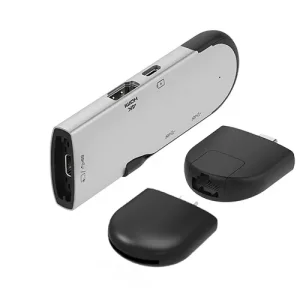
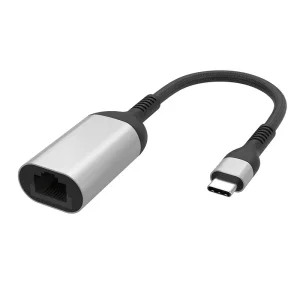
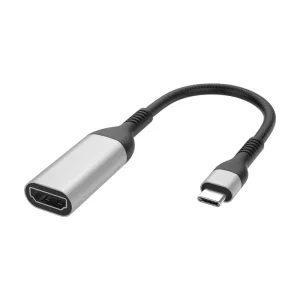
Modern 7-in-1 modular adapters provide simultaneous connectivity for HDMI, Ethernet, USB 3.0, and Power Delivery. Unlike legacy hubs, these are designed with modular internals, allowing for better heat dissipation and component upgradability without needing a complete product redesign.
Our "Factory 4.0" approach includes rigorous stress testing for thermal management, data integrity testing at 480Mbps/10Gbps throughput, and automated soldering inspections to guarantee signal stability, essential for high-end professional environments.
For custom ODM/OEM requirements, we typically manage a development lead time of 4-6 weeks from design to production, ensuring rapid time-to-market for our international clients.
 Taitron Electronics