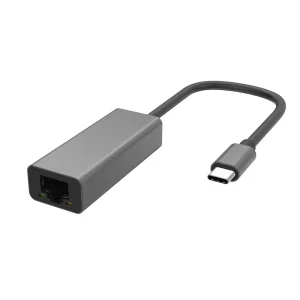
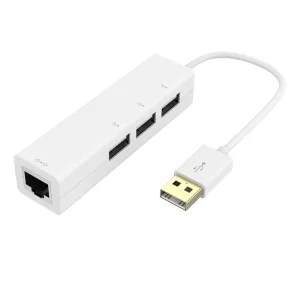
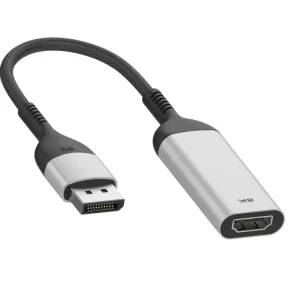
In the rapidly evolving landscape of digital infrastructure, the demand for stable, high-speed wired internet connections has surged. As ultra-thin laptops and modern mobile devices abandon native RJ45 ports for the versatility of USB-C, the "USB-C to Ethernet Adapter" has transformed from a niche accessory into a critical enterprise utility. Leveraging China’s mature manufacturing ecosystem, global enterprises can now procure high-performance networking solutions that balance cost-efficiency with industrial-grade reliability.
Dongguan and the broader Pearl River Delta region have established themselves as the global epicenter for cable and connector manufacturing. By integrating advanced R&D, precision molding, and rigorous QA processes (such as CE, FCC, and RoHS compliance), Chinese factories have moved beyond mere assembly. They now drive innovation in high-speed data transmission, ensuring that USB-C to RJ45 adapters support gigabit speeds with minimal latency and high signal integrity.
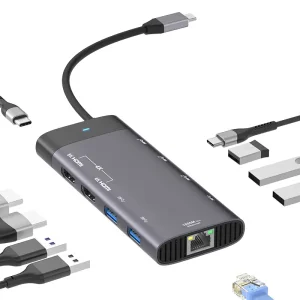
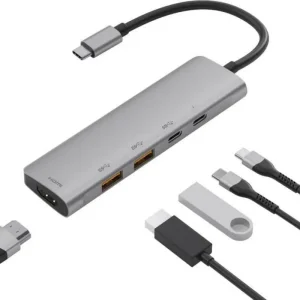
The industry is currently pivoting towards 2.5GbE and 10GbE standards, even within portable form factors. Manufacturers are increasingly incorporating intelligent chipsets from providers like Realtek and ASIX to ensure plug-and-play compatibility across Windows, macOS, Linux, and Android ecosystems. The focus is shifting from "simple connectivity" to "multi-function integration"—such as integrating USB 3.0 hubs, Power Delivery (PD) charging, and HDMI output into a single USB-C docking solution.
Enterprise & Remote Work: With the rise of hybrid work models, enterprise procurement departments are standardizing on high-durability, braided USB-C Ethernet adapters to reduce IT support tickets related to unstable Wi-Fi connections.
Industrial Automation: For edge computing and PLC networking, these adapters provide the reliable, low-jitter connection required to maintain real-time data flow in factory settings.
When seeking "Cheap USB C to Ethernet Cable Companies," procurement officers should look beyond price alone. Information Gain suggests focusing on factories that provide:
In 1984, Dongguan Taitron Electronics Limited., formerly known as Tonetron, was founded in Keelung, Taiwan. In 1993, it moved to the self-built independent production industrial park in Dalingshan Town, Dongguan City, China, and changed its name to Dongguan Taitron Electronics Limited. 38 years to pass professional video and audio peripheral equipment connection line manufacturing as the foundation, Gradually develop to the high-end audio and video cable data cable such as HDMI2.1 cable, DP2.0 cable, USB4 data cable, USB-C 3.1Gen2 data cable, high-power USB charging cable, 8K HD conversion cable, multi-functional Type-C expansion dock and other products research and development and manufacturing.
HK$21,500,000
300+
50,000㎡
2~3 weeks
61 Patents
9 Advanced Lines
A: The primary advantage lies in the integration of the full supply chain, from raw copper and chipset procurement to precision assembly. This allows for highly competitive pricing without sacrificing the build quality, shielding, or data transmission standards (like 1Gbps or 2.5Gbps) required for modern enterprises.
A: Most modern USB-C to RJ45 adapters are designed as plug-and-play devices compatible with mainstream operating systems. However, industrial-grade applications may require specific chipsets that support advanced wake-on-LAN (WoL) features, which manufacturers can customize.
A: Look for manufacturers with documented R&D capabilities, ISO certifications, and a history of exporting to regulated markets (CE/FCC compliance). Requesting a sample and testing for signal consistency under high-load scenarios is the industry standard for vetting.
 Taitron Electronics