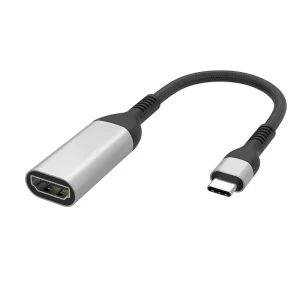
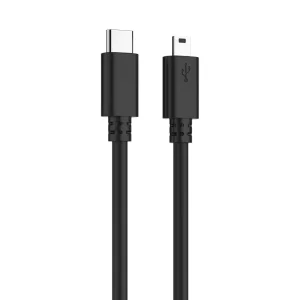
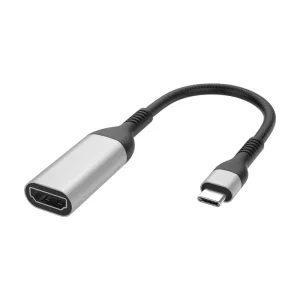
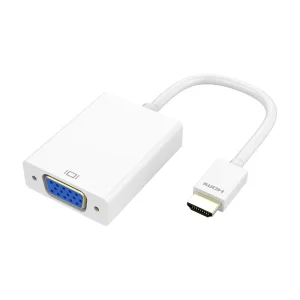
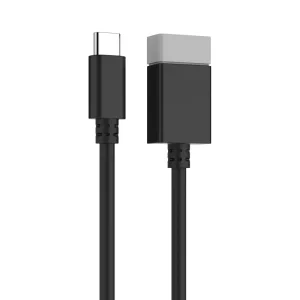
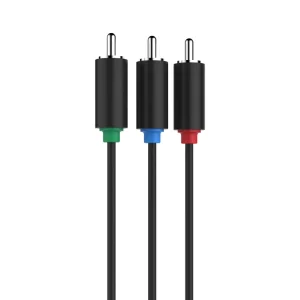
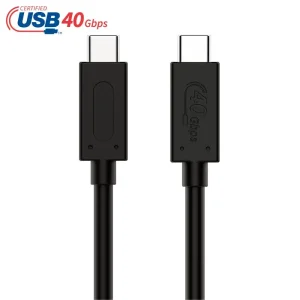
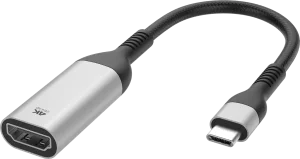
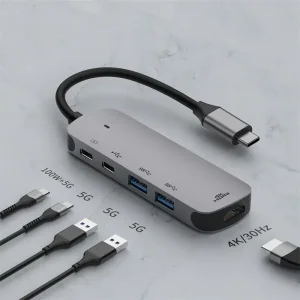
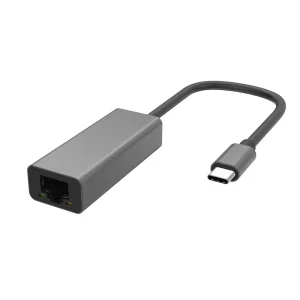
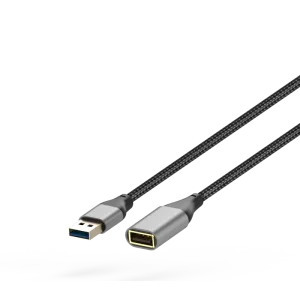
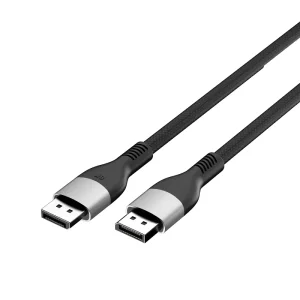
The global landscape for single-port adapters has shifted dramatically. Once viewed as simple bridging components, they are now the critical arteries of modern digital ecosystems. From consumer electronics requiring 4K/60Hz video output to industrial applications demanding low-latency data throughput, the engineering requirements have reached new heights of complexity.
As the industry moves toward universal Type-C standards, manufacturers are facing pressure to integrate higher power delivery (PD) and faster data transfer rates (USB4/Thunderbolt) into smaller form factors. Our analysis indicates a significant trend: System-on-Chip (SoC) integration within the adapter itself, allowing for on-the-fly signal processing and stability management.
The roadmap for connectivity is clear: Interoperability, Durability, and Power Efficiency. Future single-port adapters are evolving into "intelligent hubs." The next phase involves native support for 8K resolution, AI-optimized signal handling to prevent packet loss in high-interference environments, and sustainable manufacturing practices utilizing recyclable materials without compromising on shielding performance.
Founded in 1984 in Keelung, Taiwan, and expanded into the Dongguan industrial powerhouse in 1993, we have spent nearly four decades refining the art of signal integrity. We don't just manufacture; we engineer solutions that power the future.
Production Area
Patents
Professional Employees
Annual Turnover (RMB)
Direct sourcing from a manufacturer like ours eliminates redundant markups and ensures rigorous quality control (QC) at every stage—from PCB soldering to final signal testing, providing a significantly better ROI.
We adhere to strict VESA and USB-IF specifications. Every product, from our USB-C to HDMI adapters to DP cables, undergoes environmental and interoperability stress testing to ensure seamless performance with various host devices.
New product development cycles are streamlined to 4-6 weeks, with mass production delivery typically spanning 2-3 weeks, depending on the complexity of the custom shielding and chipset requirements.
 Taitron Electronics