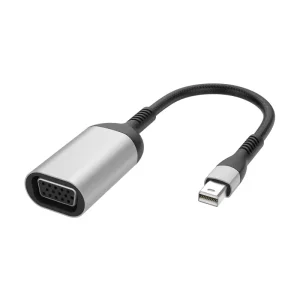
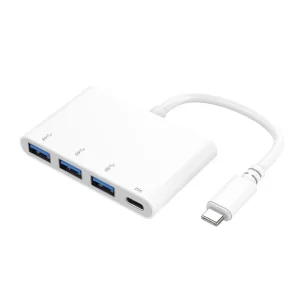
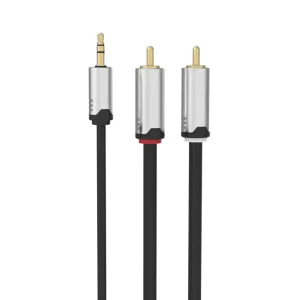
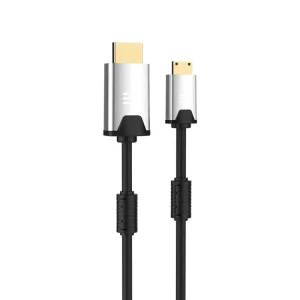
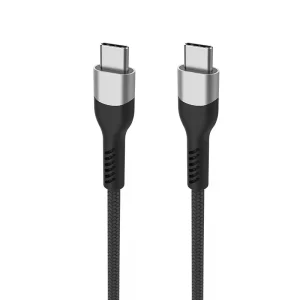
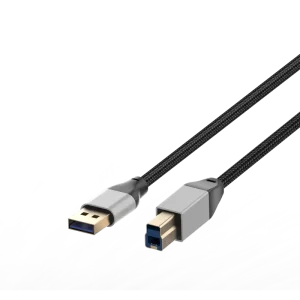
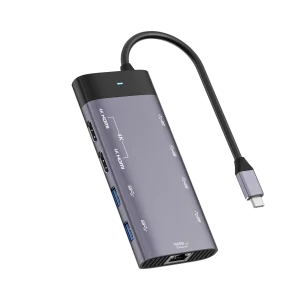
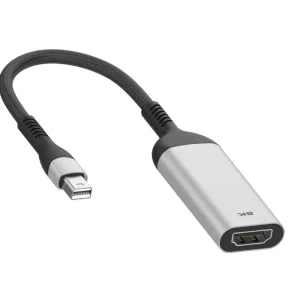
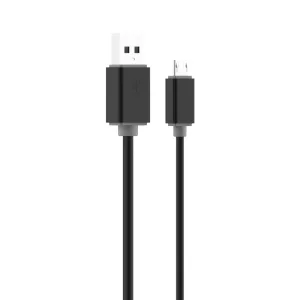
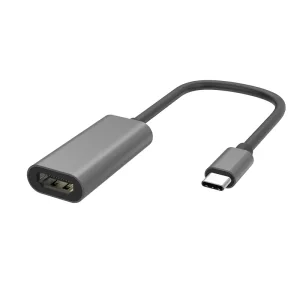
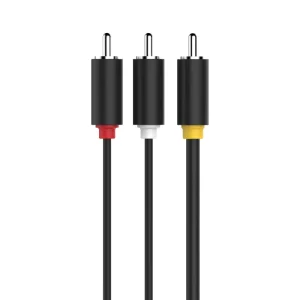
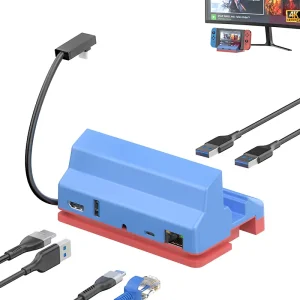
In an era dominated by USB-C and ultra-high-speed data protocols, the Mini USB and USB 2.0 form factors remain pillars of industrial stability. While consumer electronics shift rapidly, global industrial, medical, and automotive sectors rely heavily on the rugged, physical reliability of these interfaces. For procurement managers and OEMs, "Buying Mini USB/USB 2.0 Companies" is not merely about finding low-cost components—it is about securing a supply chain that guarantees long-term legacy support.
The transition from USB 2.0 is slow in sectors where data integrity and electromagnetic compatibility (EMC) are paramount. Legacy systems in medical diagnostics, precision manufacturing sensors, and external storage enclosures still mandate high-quality Mini USB connectivity. Our approach to procurement emphasizes selecting manufacturers who maintain high-precision molding and shielding processes, ensuring that the lower data rates of 2.0 (480 Mbps) remain stable under harsh industrial conditions.
Since its inception in 1984 in Keelung, Taiwan, and its subsequent expansion to Dalingshan Town, Dongguan, in 1993, Taitron Electronics has evolved into a powerhouse of peripheral manufacturing. With over 38 years of expertise, we have moved beyond simple cable assembly into high-end audio/video, USB4, and complex Type-C integration.
Industry Experience
Production Area
Patents Owned
Expert Employees
Standard Delivery
Annual Turnover
The future of cable manufacturing lies at the intersection of high-speed signal integrity and miniaturization. While USB 2.0 maintains its hold on legacy industrial applications, the roadmap for Taitron Electronics involves integrating these reliable connections into hybrid docking stations. Our R&D focuses on:
USB 2.0 offers superior physical robustness and simpler driver compatibility for legacy industrial equipment compared to newer, more complex protocols. It remains the "gold standard" for stability in fixed-location machinery.
Look for companies with established in-house R&D, ISO certifications, and a history of long-term production. As evidenced by Taitron's 38-year tenure, manufacturing heritage is the best indicator of reliability.
While standard products are available within 2-3 weeks, new product development, which includes prototyping and testing, typically requires 4-6 weeks to ensure optimal performance.
 Taitron Electronics