Explore our precision-engineered selection of high-speed data transmission lines, adapter modules, and interface converters, designed to withstand rigorous commercial and industrial application requirements.
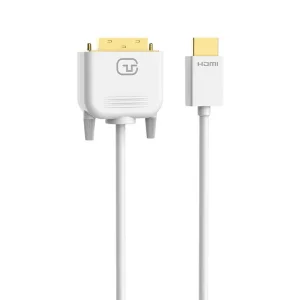
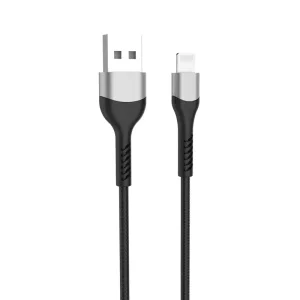
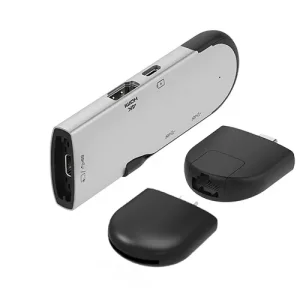
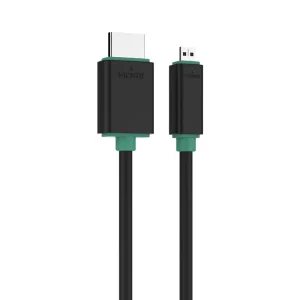
Over the past decade, the rapid minimization of hardware form factors has fundamentally redefined interface design. Ultrabooks, industrial HMI terminals, and medical monitoring systems continue to shed legacy ports, leaving slimline profiles that lack physical RJ45 Ethernet connectors. This structural evolution has propelled USB to LAN Adapters from auxiliary consumer dongles to mission-critical infrastructure components.
Modern commercial setups demand absolute bandwidth stability. While wireless solutions like Wi-Fi 6E/7 have progressed, physical Ethernet cabling remains the benchmark for low latency, zero packet loss, and robust protection against RF interference. The integration of Gigabit Ethernet (1Gbps), 2.5Gbps, and even 10Gbps physical layer (PHY) microchips into compact USB 3.0 and USB-C architectures has bridged the gap between ultra-portable hardware profiles and high-throughput wired local networks.
By establishing physical data channels over USB-C or USB4 interfaces, modern LAN adapters handle large packet arrays with specialized microcontrollers (ICs) that manage network operations autonomously. This bypasses host processor bottlenecks, optimizing transmission speeds for heavy database workloads, localized machine vision pipelines, and high-security enterprise environments.
Legacy standards utilized for basic M2M interface control, peripheral connection, and IoT low-speed sensors.
The current baseline standard for commercial workstations, incorporating AX88179 or RTL8153 controller ICs.
Designed to handle NAS interfaces, high-end workstations, and next-generation corporate local area networks.
Enterprise-grade integration tailored for continuous data streaming, broadcast systems, and high-frequency trading rigs.
Procurement teams sourcing USB to LAN adapters look beyond simple cost-per-unit. A systematic approach to evaluating manufacturing lines, quality assurances, and raw materials is key to ensuring network stability.
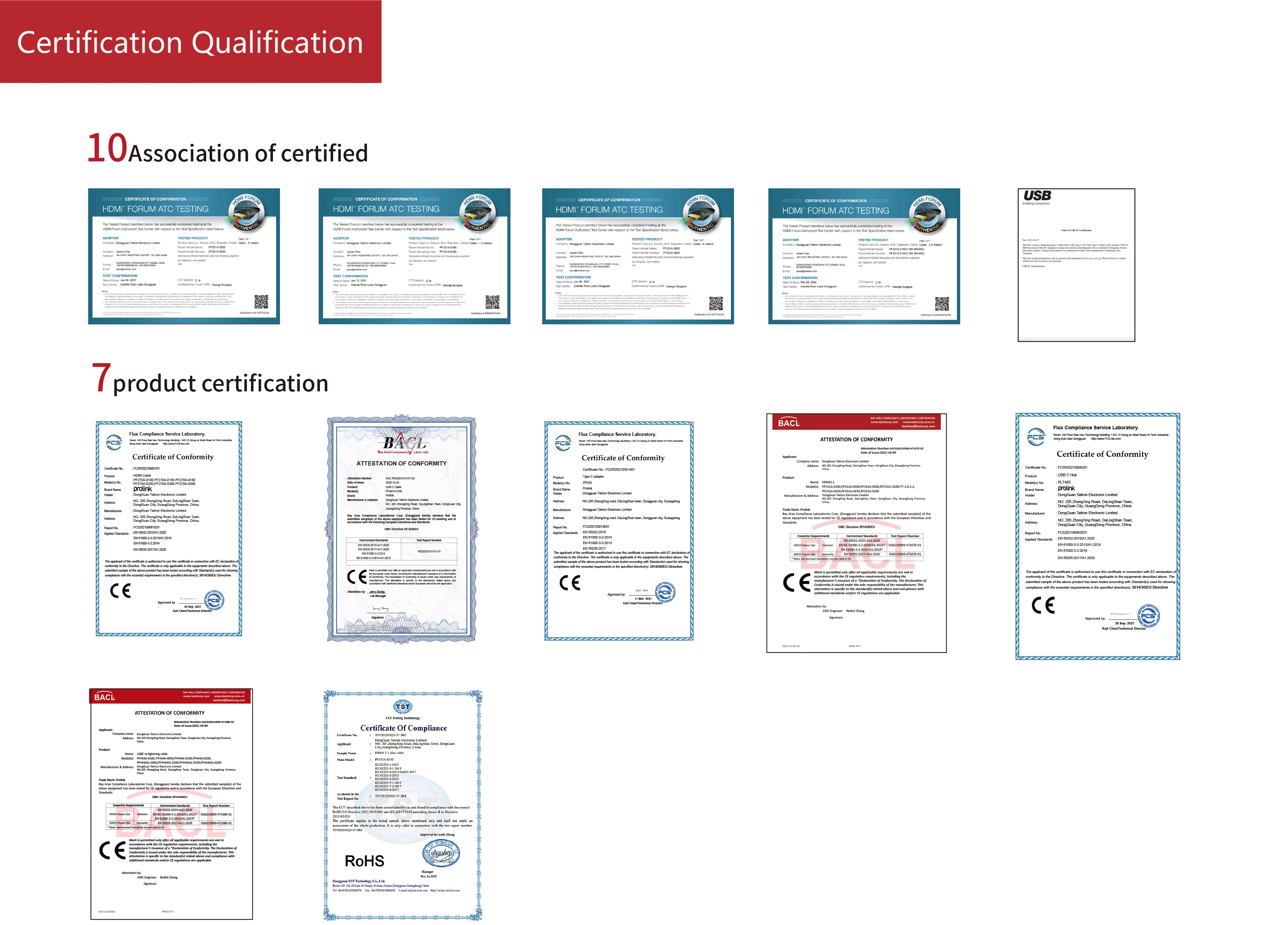
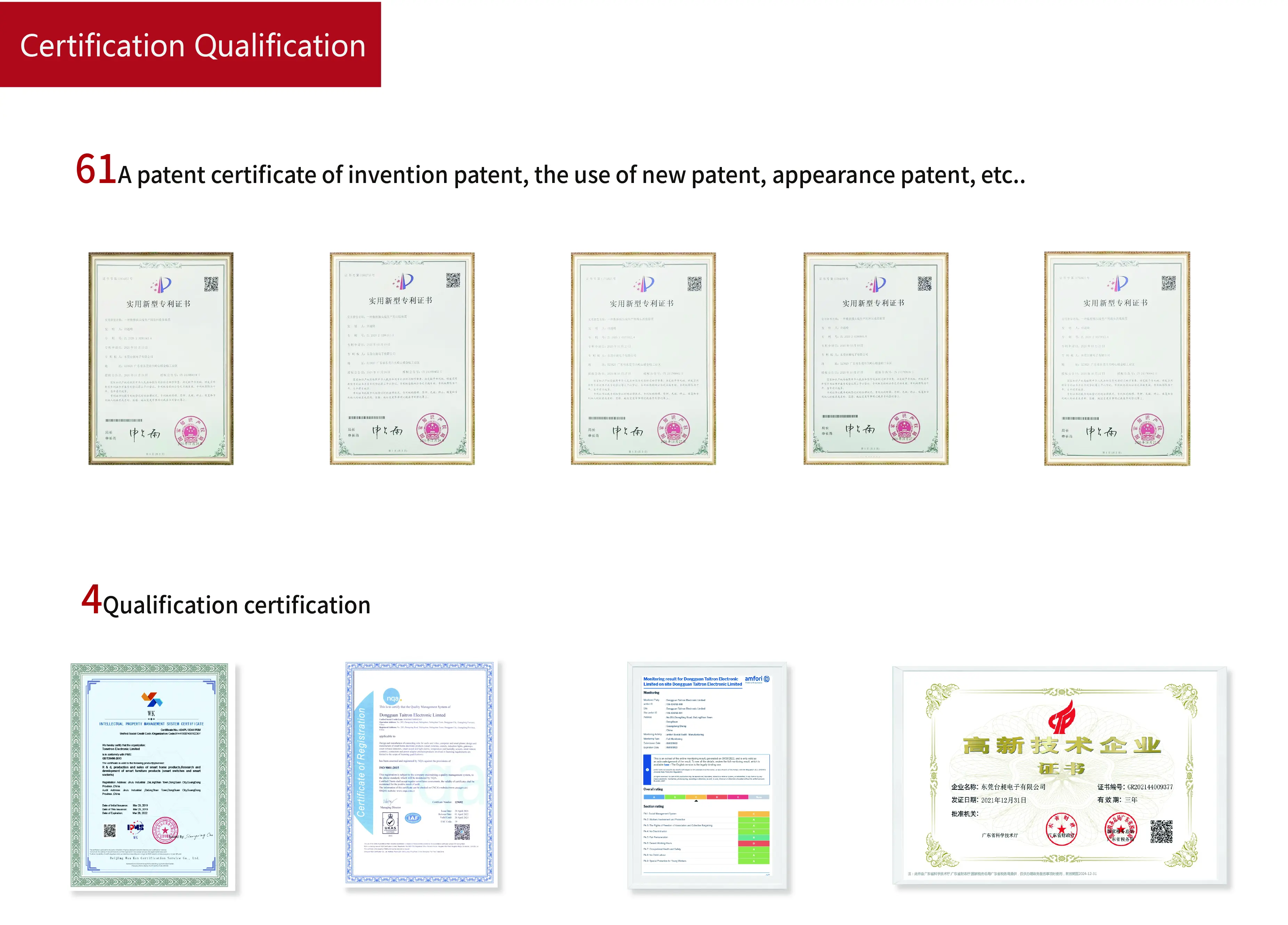
Enterprise procurement departments must strictly adhere to regulatory directives. Industrial components require complete CE, FCC, RoHS, and REACH certifications. These standard validations ensure adapters do not emit disruptive electromagnetic interference (EMI) or expose users to toxic materials, making them suitable for government and medical settings.
A primary failure point in budget adapters is the controller IC. Sourcing engineers prioritize factories that integrate stable, globally compatible chipsets like the Realtek RTL8153 series or ASIX AX88179. These components provide universal driverless support across macOS, Windows, Linux, and ChromeOS, reducing IT support overhead.
For B2B brands and electronics distributors, customized hardware casing (e.g., anodized aluminum alloy housings for optimal thermal dissipation), customized cable lengths, brand embossing, and retail packaging are critical to creating value and maintaining market differentiation.
Before confirming purchase orders with a manufacturing plant, sourcing directors evaluate key manufacturing checkpoints:
| Key Sourcing Challenge | Factory Solution Checklist | Resulting Procurement Advantage |
|---|---|---|
| Connection Dropouts | Premium controllers (ASIX/Realtek) + Gold-plated connectors | Zero connection dropouts during critical server maintenance. |
| Cable Strain Failure | Reinforced SR design + Double-braided outer jacket nylon coating | Extended physical operational life in harsh workspace conditions. |
| Overheating / Thermal Throttling | Thermal-conductive adhesive with anodized aluminum casing | Ensures full Gigabit speed during continuous long-term data transfer. |
Global electronics supply chains require agility, capacity, and strict quality control. Dongguan, China remains a key hub for high-efficiency electronics production. Under the Factory 4.0 roadmap, companies like Dongguan Taitron Electronics Limited have integrated automated precision assembly lines, real-time quality testing, and robust raw-material networks to deliver reliable B2B connectivity products globally.
Founded in 1984 as Tonetron in Keelung, Taiwan, the company expanded its footprints in 1993 by establishing a dedicated manufacturing base in Dalingshan Town, Dongguan City, China, changing its name to Dongguan Taitron Electronics Limited.
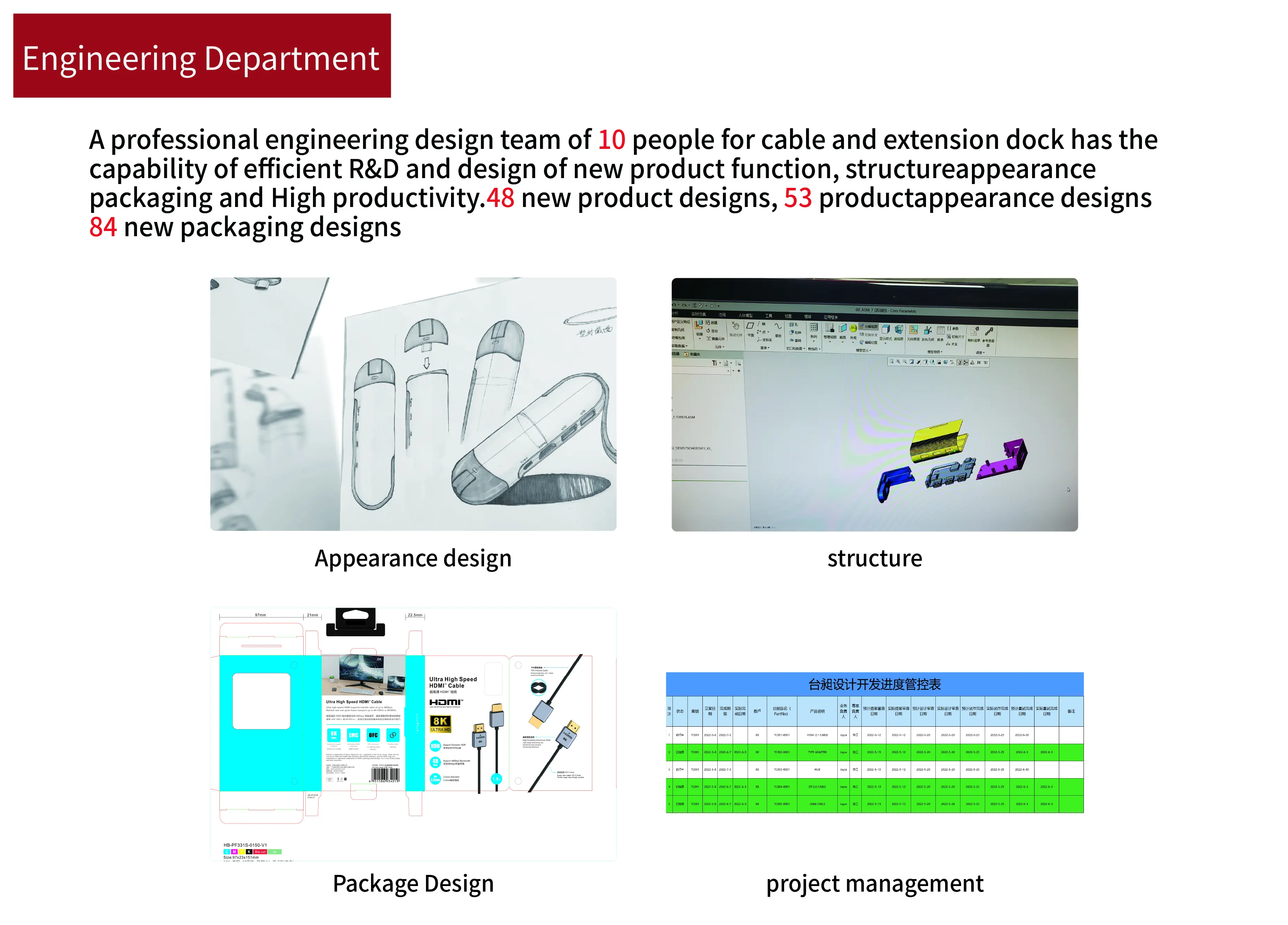
With 38 years of experience in audio, video, and data connectivity manufacturing, Taitron has evolved from producing analog connections to developing high-performance digital transmission solutions. Today, its portfolio includes HDMI 2.1, DP 2.0, USB4, USB-C 3.1 Gen2 cables, high-power charging lines, 8K converter cables, and advanced multi-functional Type-C expansion docks.
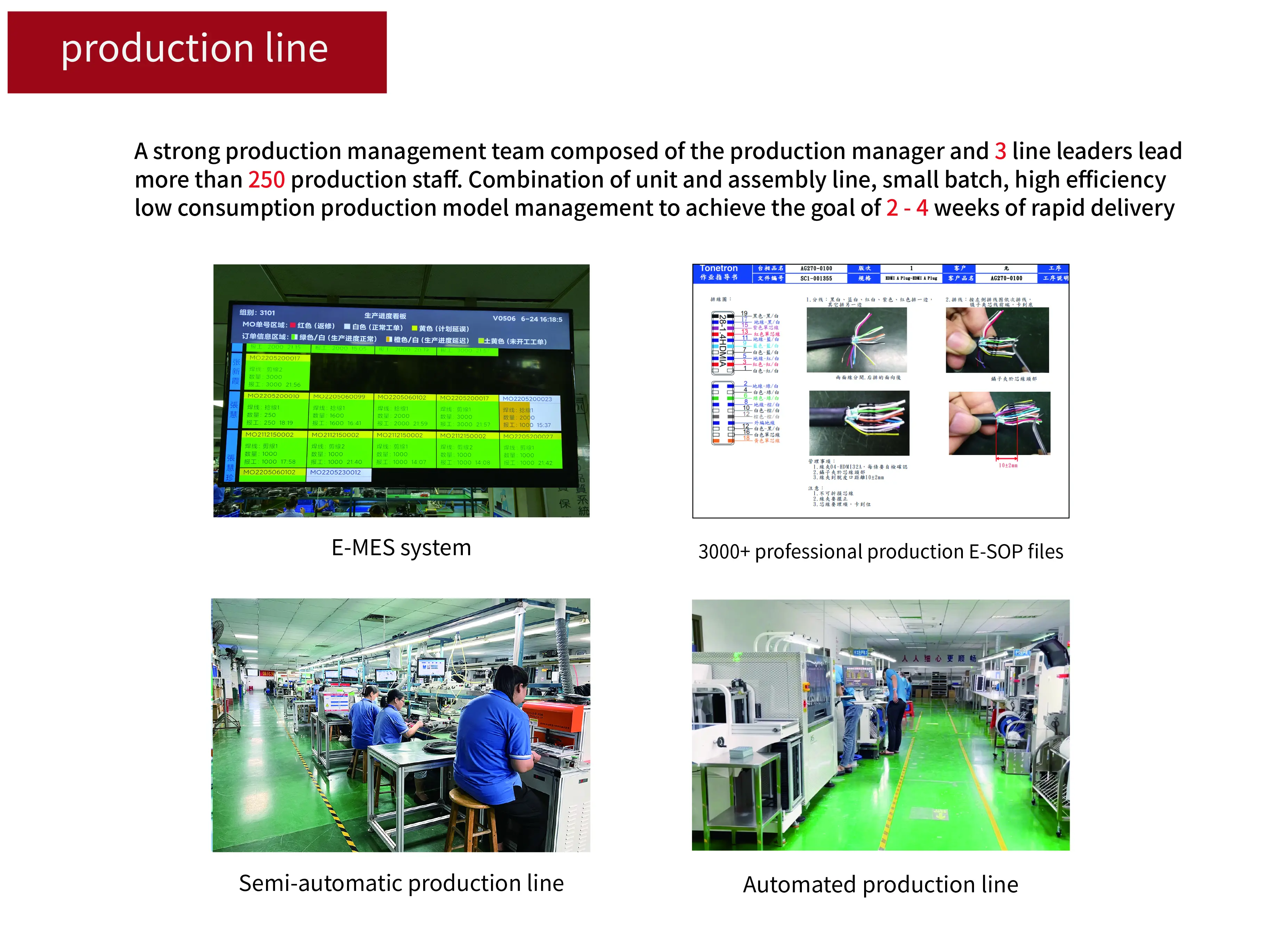
Adapting USB to Ethernet signals requires precise impedance control on the differential signal traces of the PCB. Taitron employs advanced automated Surface Mount Technology (SMT) lines to mount and solder micro-ICs, reducing human error.
Each unit undergoes multiple inspection phases, including time-domain reflectometer (TDR) impedance tests, automated optical inspection (AOI), and physical network throughput testing under load. This multi-step QC process ensures that signal integrity matches strict enterprise networking requirements.




USB LAN adapters serve diverse industries, providing physical connectivity across varied deployment environments. Understanding these specific application scenarios helps ensure the selected hardware meets targeted operating requirements.
Modern hot-desking setups rely heavily on universal USB-C docks and LAN adapters. They enable laptops to connect directly to the corporate intranet, allowing employees to access internal databases, participate in video conferencing, and run large deployments without suffering from Wi-Fi congestion or dead zones.
Industrial PCs (IPCs) on factory floors often lack native, multi-interface LAN controllers. USB to LAN adapters provide these legacy machines with supplementary, isolated network routes. This separation allows engineers to segregate internal automation control loops from public data streams, enhancing security.
In operating theaters and patient diagnostic suites, wireless transmissions are often restricted to avoid interfering with sensitive life-support systems. USB Ethernet adapters provide medical imaging carts, portable ultrasound machines, and diagnostic monitors with reliable connection interfaces to securely upload patient records.
When performing field diagnostic checks on server racks, technicians require direct, localized physical access. USB to RJ45 adapters enable standard diagnostic laptops to interface directly with console management ports, facilitating rapid configuration and debugging.
Outdoor broadcasting rigs and event streaming configurations demand absolute network stability. In these settings, LAN adapters connect high-definition encoder units and laptops directly to satellite terminals or dedicated WAN routers, protecting broadcast feeds from packet jitter.
A collection of direct, technical answers to common B2B engineering and procurement queries regarding modern USB network interfaces.
For standard Gigabit Ethernet deployments, the Realtek RTL8153 and ASIX AX88179 controller chips are industry standards. They are natively supported by Windows, macOS, Linux, and ChromeOS, removing the need for manual driver installation. For 2.5G interfaces, the Realtek RTL8156 series is widely preferred for its stable thermal profile and performance under continuous loads.
USB network controllers convert bus communication protocol signals to Ethernet physical layers (PHY), generating heat in the process. When housed in poorly ventilated plastic casings, this heat accumulates, triggering internal thermal safety cutoffs that throttle throughput. High-quality manufacturers use aluminum alloy housings paired with internal thermal pads to transfer heat away from the IC, maintaining stable speeds.
Yes. However, support for Preboot Execution Environment (PXE) and Wake-on-LAN (WoL) depends on the system BIOS/UEFI firmware configuration and the chosen network adapter controller. High-end enterprise adapters are designed with controller firmware that interfaces with the host system configuration to allow remote boots and wake signals.
Our standard production delivery time is 2 to 3 weeks for established designs. For new product developments and customized OEM designs, the typical R&D lead time ranges from 4 to 6 weeks. This includes schematic capture, casing design, PCB layout optimization, and initial prototyping runs.
Our facilities implement strict Quality Assurance workflows, beginning with Incoming Quality Control (IQC) for components. During assembly, products undergo In-Process Quality Control (IPQC), high-frequency signal testing via network analyzers, and Outgoing Quality Control (OQC) checks. Every item is backed by a 1-year warranty to guarantee reliability.
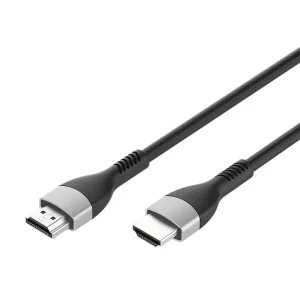
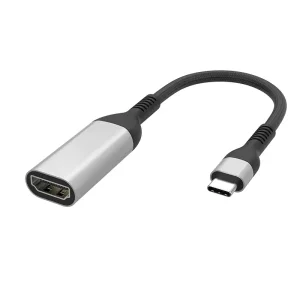
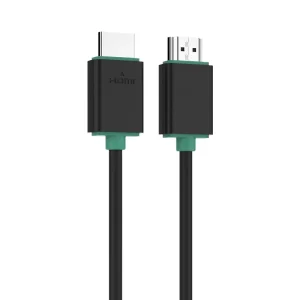
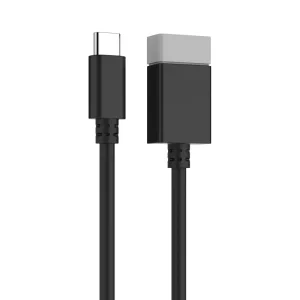
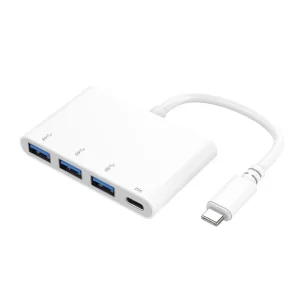
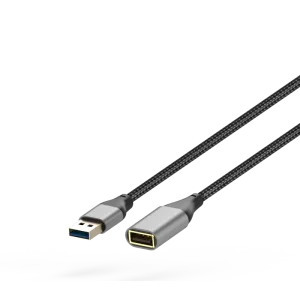
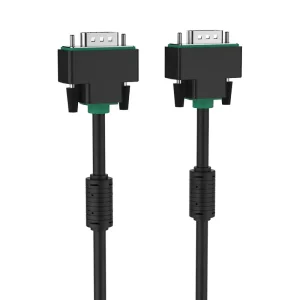
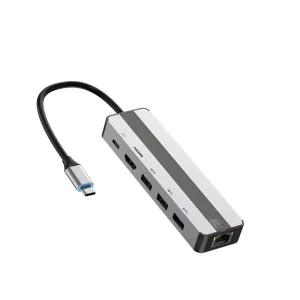
A selection of high-bandwidth video adapters, multi-protocol hub units, and extension cables designed to provide reliable connections in modern workspaces.
 Taitron Electronics