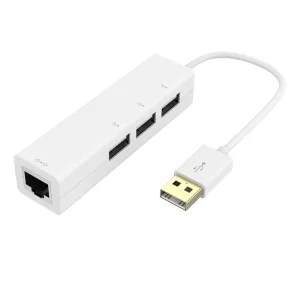
In today's hyper-connected enterprise environments, reliance on legacy wireless signals presents distinct liabilities: throughput volatility, latency spikes, and security exposures. Wired Gigabit and Multi-Gigabit networks remain the bedrock of corporate IT infrastructure. However, the progressive slimness of modern laptops, industrial tablets, and IoT controllers has driven the removal of physical RJ45 Ethernet ports. This evolution shifts the demand from direct-board interfaces to external USB-to-Ethernet converters, raising critical requirements for procurement managers and system integrators globally.
As a seasoned product development partner and OEM/ODM manufacturer, Dongguan Taitron Electronics Limited delivers robust, high-availability USB-to-Ethernet solutions that bridge physical layer requirements with advanced chipset routing. Selecting the optimal converter goes beyond standard physical compatibility; it requires a deep understanding of bus power parameters, thermal profiles, packet delivery performance, and driver deployment protocols across different operating systems.
Integration of high-grade RTL8153, RTL8156, or ASIX AX88179 chipsets to sustain up to 2.5 Gbps line-rate transfer speed without packet drop.
Designed for zero-driver configuration, utilizing Windows NDIS/NDIS6, macOS driver kits, and native Linux kernel support (v2.6.14+).
Comprehensive compliance with IEEE 802.3az (Energy Efficient Ethernet), Wake-on-LAN (WoL), PXE Boot, and MAC Address Pass-Through.
Why sourcing from specialized hardware hubs drives product longevity and price competitiveness.
Founded in 1984 as Tonetron in Keelung, Taiwan, our organization anticipated the global shifts in electronics manufacturing, establishing an independent production industrial park in Dalingshan Town, Dongguan City, China, in 1993. Renamed Dongguan Taitron Electronics Limited, this facility leverages the world’s most comprehensive electronics supply chain ecosystem. Proximity to component markets and copper wire processing hubs enables rapid raw material sourcing and short prototype turnaround times.
This regional specialization reduces transportation times, enables immediate custom metal extrusion, and gives access to specialized surface mount technology (SMT) sub-assemblies. This allows us to keep lead times at 2 to 3 weeks for product delivery, compared to the industry standard of 6 to 8 weeks.
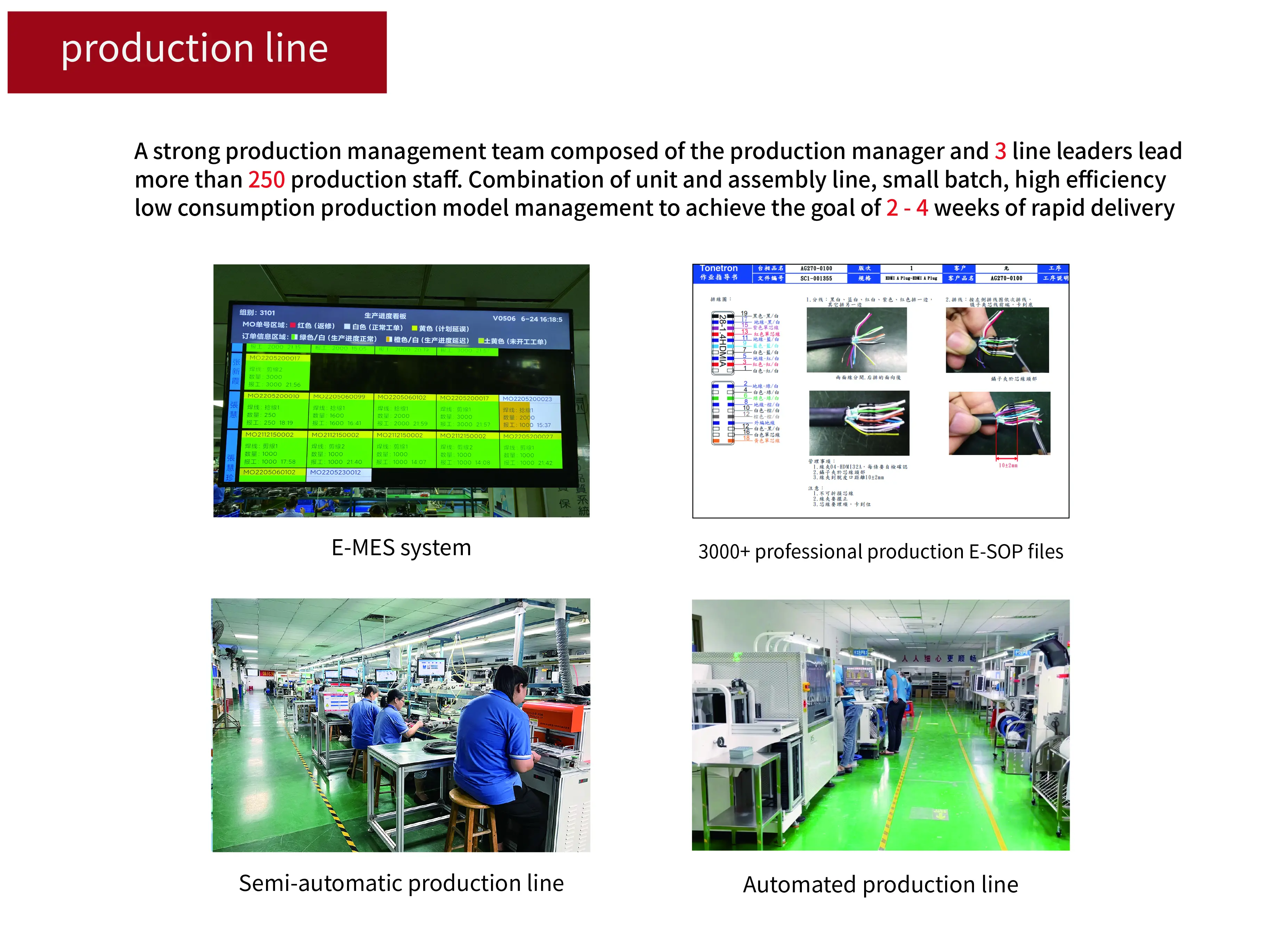
Sustaining high-volume production without compromising structural integrity requires robust infrastructure. Our facility covers over 50,000 square meters and runs 9 automated production lines. By operating in-house plastic injection moulding, cable extrusion, SMT placement, and final assembly under one roof, we eliminate intermediate cost markups and maintain complete quality control from core wires to shielding housings.
State-of-the-art facility in Dongguan optimized for cable extrusion, injection molding, and SMT assembly.
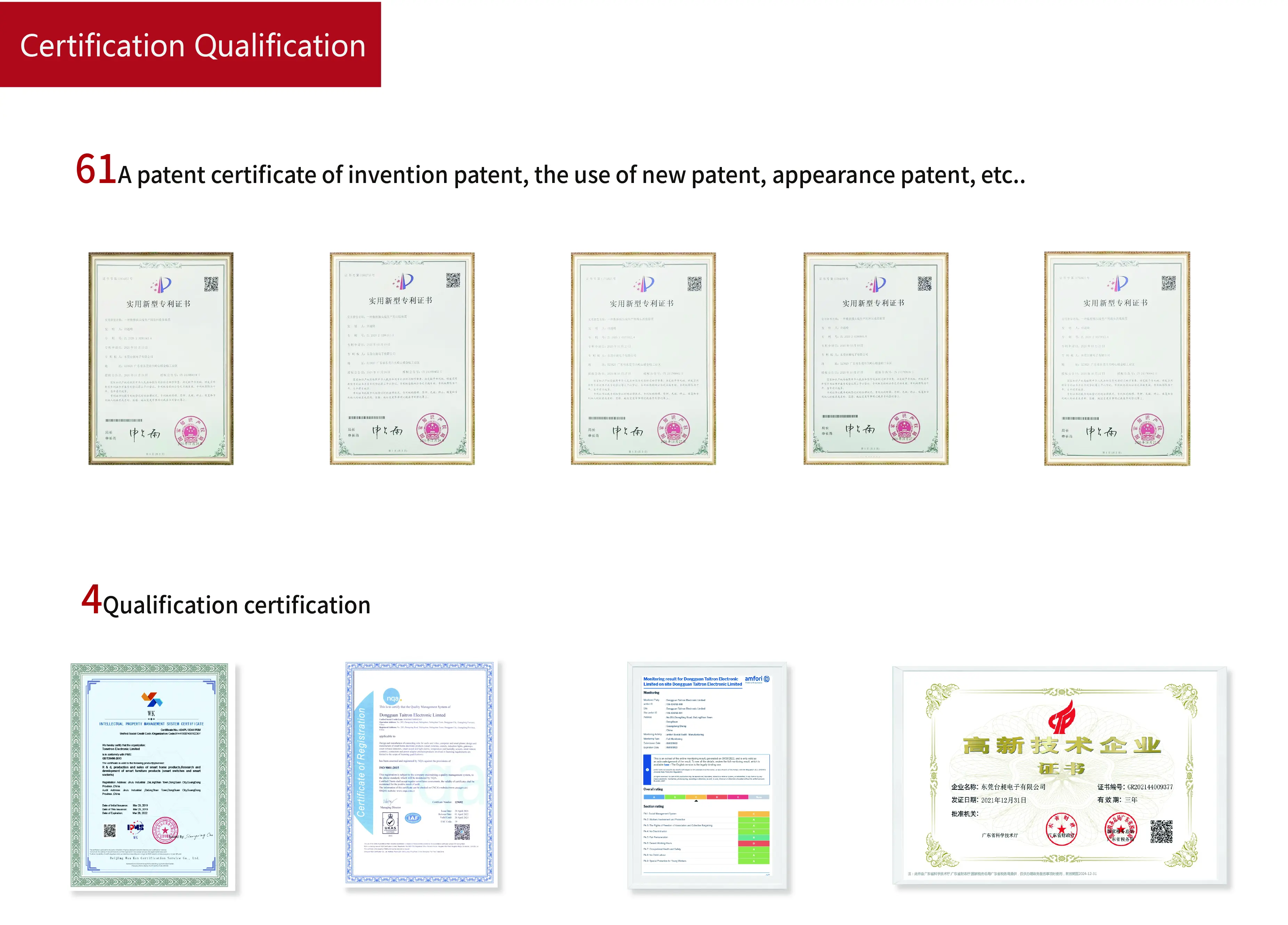
Proprietary innovations in structural shielding, multi-signal routing, and heat dissipation technologies.
Strong financial standing supporting raw material pre-purchasing and high-volume client supply security.
Shorter lead times supported by integrated raw material processing and automated assembly lines.
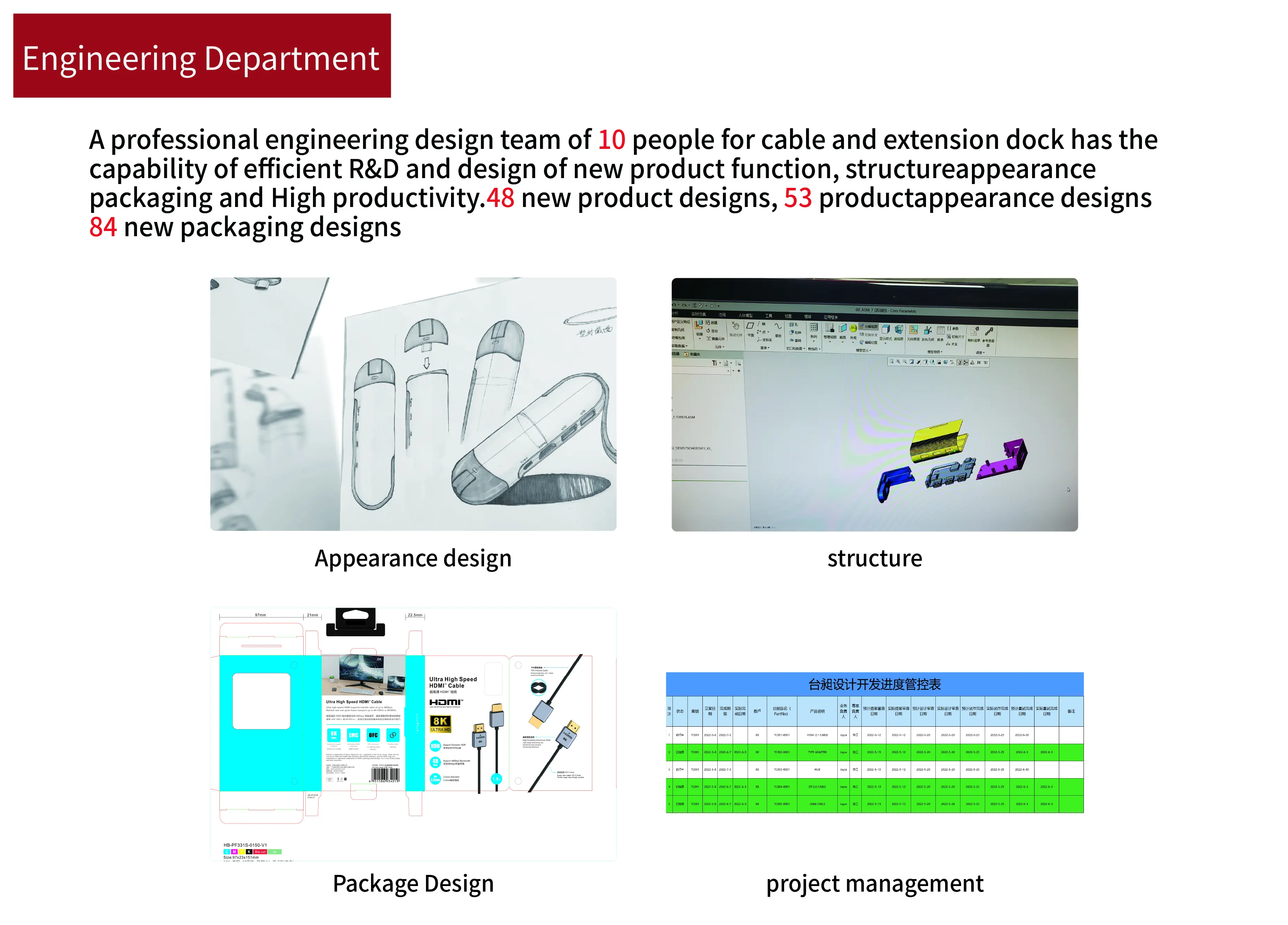
Rapid prototyping, custom tooling fabrication, and functional verification workflows.
Demonstrated financial stability and high production volume capacity for global markets.
For corporate purchasing departments, procurement planning for network accessories involves managing multiple variables to control total cost of ownership (TCO). High-performance networks require robust terminal accessories. Our production practices address these technical criteria directly:
USB 3.0 data transfers are known to emit broad-spectrum noise that can interfere with wireless networks (such as 2.4GHz Wi-Fi). Our manufacturing process utilizes comprehensive internal metal cans, aluminum-mylar foil, and tinned copper braided shielding (95% coverage density) to prevent signal interference.
Sourcing for large-scale IT deployments requires devices that support PXE (Preboot Execution Environment) for remote OS imaging, Wake-on-LAN (WoL) for system maintenance, and MAC Address Pass-Through to maintain accurate tracking on network switches.
The network interface landscape is shifting toward higher bandwidth. While 1 Gbps (Gigabit Ethernet) remains the standard for office setups, demanding industrial systems and creators are adopting 2.5G (IEEE 802.3bz) and 5G/10G Ethernet. This change is driven by the wider bandwidth of USB-C (USB 3.1 Gen 2, USB4, and Thunderbolt 4 interfaces).
Taitron’s R&D efforts focus on optimizing copper line designs and matching impedance. This reduces return loss and crosstalk in compact housings, helping adapters run cooler and maintain stable speeds even under heavy workloads.
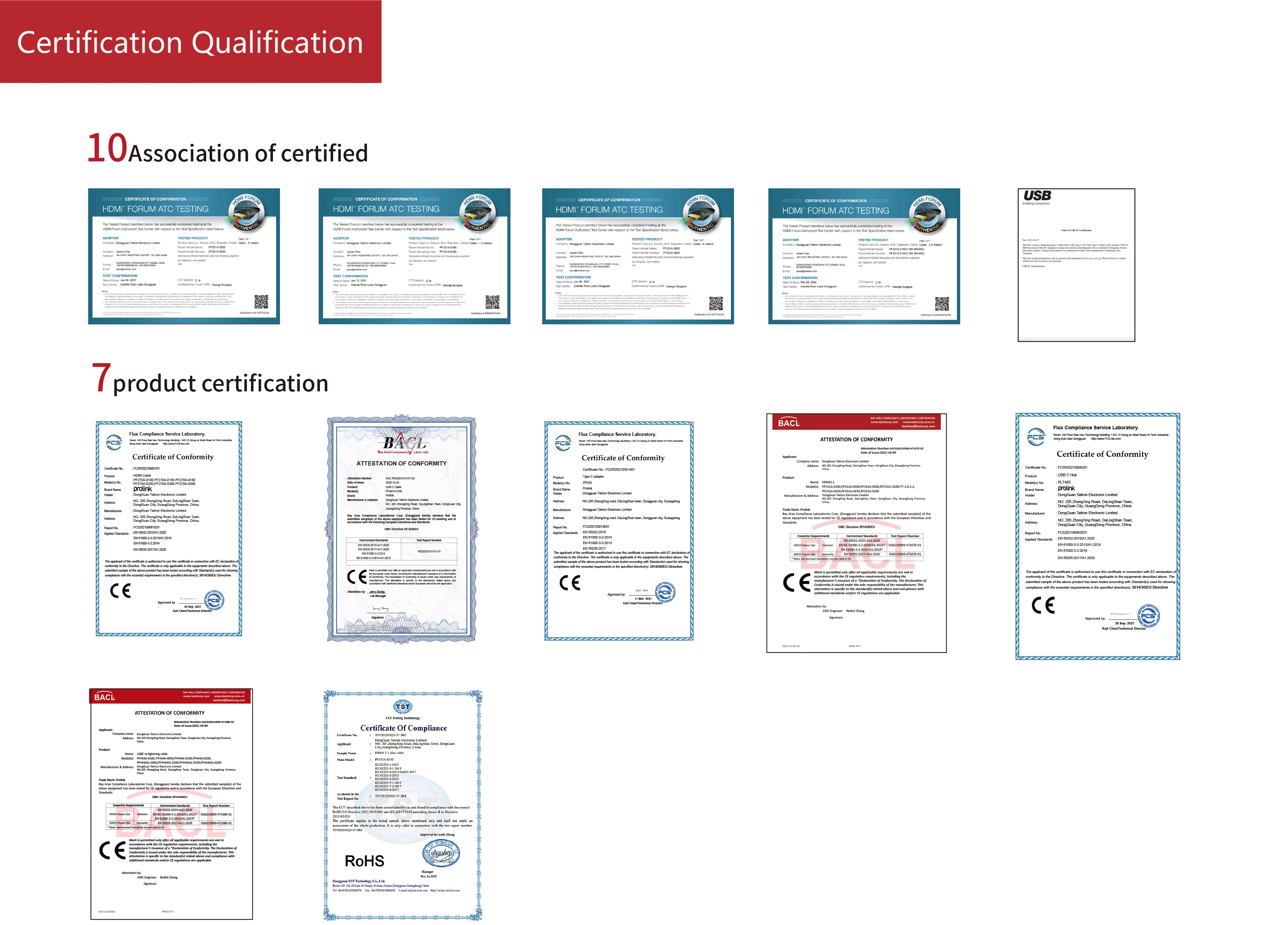
Reliable distribution requires strict adherence to international safety, environmental, and regional certifications.
For distributors and brand owners in Europe, North America, and Japan, regulatory compliance is a major import requirement. Uncertified electronics risk border customs seizures and expose retailers to liability issues. Taitron ensures all products meet international compliance frameworks:
We provide comprehensive localization support beyond manufacturing. This includes custom retail packaging, barcoding, DDP shipping options, and regional customs documentation.
Every product is backed by a 1-year warranty, supported by dedicated engineers who assist with system integration issues, customized driver builds, and hardware troubleshooting.
High-performance network adapters are essential across diverse modern vertical industries.
Enables fast, secure data connections in high-density corporate environments where Wi-Fi bandwidth is limited.
Provides reliable wired network connectivity on the factory floor, linking PLCs, testing equipment, and industrial PCs.
Ensures stable network connections for checkouts and self-service terminals, preventing payment processing delays.
Understanding wholesale price structures based on chipset selection, casing material, and production volume.
USB-to-Ethernet adapter pricing is primarily driven by three cost factors: the main chipset (ASIX vs. Realtek, 1G vs. 2.5G), the casing material (ABS plastic vs. Aluminum Alloy), and order volumes. Standard OEM margins and estimated wholesale price levels are detailed below:
| Product Category | Core Chipset | Enclosure Type | MOQ (pcs) | Estimated OEM Price (USD) | Target Application |
|---|---|---|---|---|---|
| Standard USB-A 10/100M | Realtek RTL8150 | ABS Plastic | 2,000 | $1.80 - $2.50 | Legacy PCs, Thin Clients, Basic IoT |
| Gigabit USB-A 3.0 to RJ45 | ASIX AX88179A | Aluminum Alloy | 1,000 | $3.90 - $4.80 | Corporate Notebooks, Desktop PCs |
| Gigabit USB-C to RJ45 | Realtek RTL8153B | Aluminum Alloy | 1,000 | $4.20 - $5.10 | Modern Ultrabooks, MacBooks, Tablets |
| 2.5G Multi-Gigabit USB-C | Realtek RTL8156B | Premium Aluminum / Heat Sinks | 500 | $7.50 - $9.80 | Workstations, NAS Storage, Gaming |
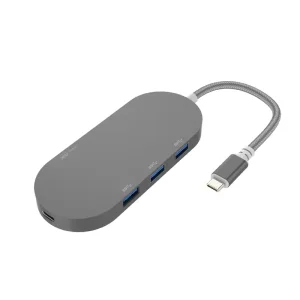
| Multi-Port Hub (USB C 5-in-1) | RTL8153 + Hub IC | Anodized Aluminum | 500 | $9.20 - $12.50 | Flexible Workstations, Meeting Rooms |
*Note: The prices provided are estimates for OEM/ODM production runs. Actual pricing may vary based on customization options, shielding configurations, and market costs of copper and chipsets. Contact our sales department for a detailed quote.
Answers to technical and commercial questions about USB-to-Ethernet converters.
A look inside our manufacturing floor in Dongguan, highlighting our quality control and testing equipment.




 Taitron Electronics