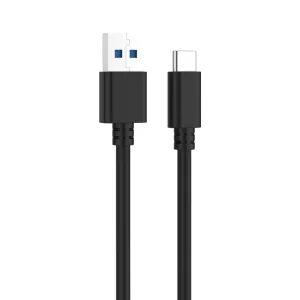
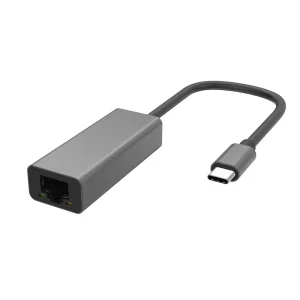
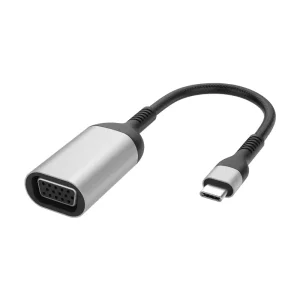
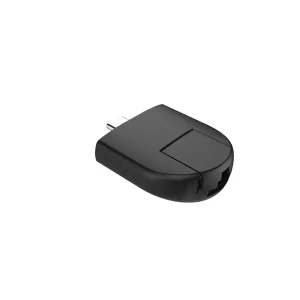
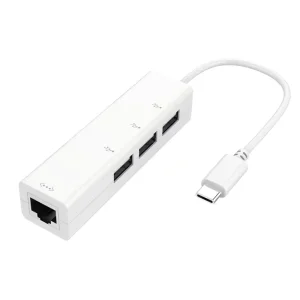
In an era where Wi-Fi ubiquity often masks the critical need for stable, high-speed data transmission, the USB 3.0 LAN Adapter stands as the unsung hero of enterprise connectivity. As professional environments shift toward high-bandwidth requirements—ranging from 4K video conferencing to large-scale data synchronization—the limitations of wireless interference have become a bottleneck for productivity. Our role as a premier USB 3.0 LAN Adapter manufacturer involves more than assembly; it requires bridging the gap between legacy hardware and modern high-speed network demands.
Modern industrial and commercial sectors prioritize two things: latency and security. Unlike wireless connections, which are susceptible to channel congestion, a USB 3.0 Gigabit Ethernet adapter provides a dedicated, full-duplex communication channel. This is non-negotiable for sectors like healthcare diagnostics, financial trading terminals, and industrial IoT monitoring where packet loss can equate to system failure. The shift toward "Type-C" integration, while keeping USB 3.0 protocol standards, marks a transition toward universal, hot-swappable connectivity that IT managers demand for fleet deployment.
Global procurement teams often ask: Why source from Chinese factories like ours? The answer lies in the Industrial Ecosystem. With decades of manufacturing heritage, our facility in Dongguan is not just a factory; it is a vertically integrated hub. From raw material sourcing and high-speed precision molding to automated PCB assembly and rigorous RF (Radio Frequency) testing, we control the entire lifecycle of the USB 3.0 adapter. This results in:
Founded in 1984, our journey from a specialized electronics manufacturer to a global leader in high-end audio, video, and data cables showcases our commitment to R&D. Our expansion into multi-functional Type-C expansion docks and high-speed networking adapters is backed by a 50,000㎡ production facility and a dedicated team of over 300 employees. We don't just export products; we export reliable infrastructure components that power the backbone of digital businesses worldwide.
A high-quality adapter uses high-grade chipsets (such as Realtek or ASIX) that support full Gigabit speeds without overheating or dropping packets. Our manufacturing process includes shielding to prevent EMI (Electromagnetic Interference), ensuring a clean signal path.
USB 2.0 supports speeds up to 480 Mbps, which is a significant bottleneck for modern Gigabit networks. USB 3.0 interfaces allow for up to 5 Gbps, ensuring the adapter is never the limiting factor for your high-speed internet connection.
Most of our modern USB-C and USB 3.0 network adapters are "Plug and Play" on Windows 10/11, macOS, and Linux, leveraging native OS drivers for seamless deployment in corporate environments.
Yes, as a direct factory, we support OEM/ODM services, including custom laser engraving, branded packaging, and firmware customization for B2B procurement needs.
 Taitron Electronics