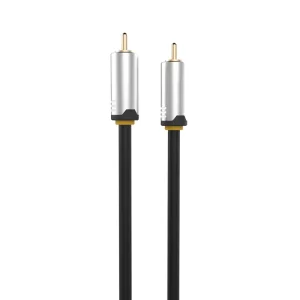
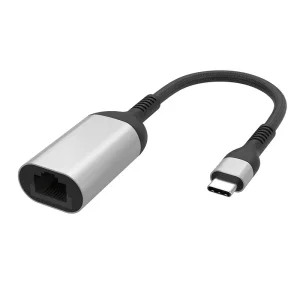
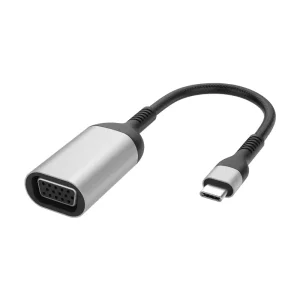
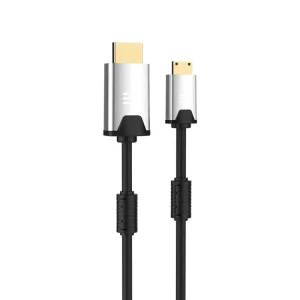
In the rapidly evolving digital landscape, high-fidelity transmission is the backbone of modern enterprise. As we transition deeper into the era of 8K resolution, high-refresh-rate gaming, and AI-driven data processing, the reliance on high-quality HDMI and DisplayPort technology has never been more critical. Procurement professionals are no longer just buying cables; they are securing the integrity of their data infrastructure.
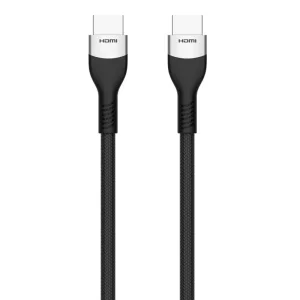
Why do global corporations consistently turn to Chinese manufacturers? The answer lies in the "Industrial Cluster Effect." Factories like Dongguan Taitron Electronics exemplify this model, where proximity to raw material suppliers, specialized labor, and advanced R&D facilities creates a virtuous cycle of efficiency. By integrating the entire manufacturing process—from extrusion to precision injection molding and final testing—these facilities reduce waste and latency, allowing for competitive pricing without compromising on international standards like HDMI 2.1 or DisplayPort 2.0.
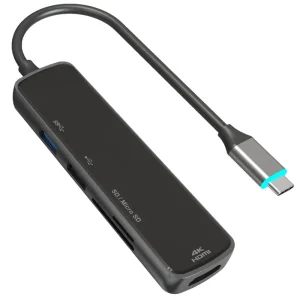
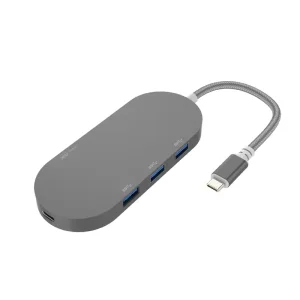
Chinese factories are currently shifting from volume-based production to value-based engineering. Utilizing automated assembly lines, they offer a level of consistency that manual labor markets struggle to match, particularly in the production of complex components like active optical fibers and multi-function Type-C docks.
When evaluating factory partners, it is vital to adhere to a rigorous verification process. Experience (E) is demonstrated by a factory's history of pivoting—much like how Taitron evolved from audio/video origins in 1984 to today's high-end data cable manufacturing. Professionalism (P) is evidenced by 61+ patents and rigorous R&D timelines. Authority (A) is established through mass-market output and annual turnover figures. Trustworthiness (T) is confirmed via after-sales service guarantees and certified quality control protocols.
With nearly four decades of expertise, our manufacturing capabilities bridge the gap between legacy analog connectivity and future-proof digital transmission.
Years of Experience
Skilled Employees
Production Area
Registered Patents
After-sale Service
Production Lines
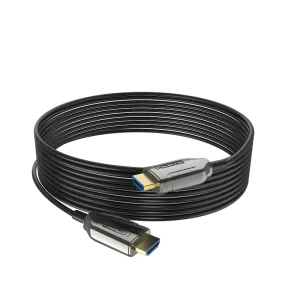
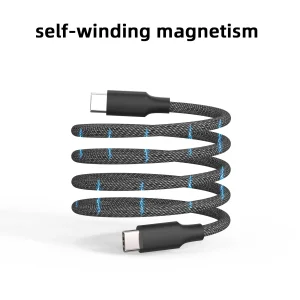
The industry is moving towards Active Optical Cables (AOC) for long-distance 8K transmission, and "All-in-One" connectivity hubs. Businesses are increasingly requiring custom Type-C solutions for unified charging and data transfer, reflecting a shift towards USB4 standards. Whether it is industrial automation where stable connections are mandatory, or consumer tech where aesthetics matter, the market demands high-bandwidth stability. Localized deployment of these cables now covers sectors ranging from healthcare imaging systems to smart classroom infrastructures, proving the versatility of modern HDMI/DP interfaces.
Q1: How do I ensure HDMI 2.1 cable quality?
A: Always verify the "Ultra High Speed" certification and check for an internal metal shield, which protects against EMI/RFI interference.
Q2: Why choose DisplayPort over HDMI for office setups?
A: DisplayPort is generally preferred for daisy-chaining multiple monitors and supports higher refresh rates required by professional design workstations.
Q3: What is the typical lead time for custom cable manufacturing?
A: For standardized products, shipping is within 2-3 weeks. New product R&D typically takes 4-6 weeks for prototyping and certification.
 Taitron Electronics