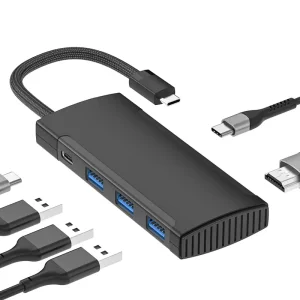
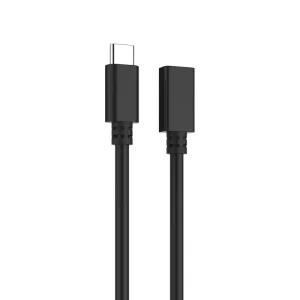
Factory-direct OEM/ODM products engineered for high bandwidth, optical purity, and zero-latency performance.
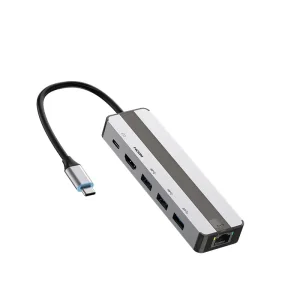
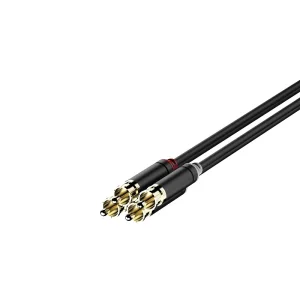
Understanding the transition from legacy TMDS architectures to Ultra High Speed 48Gbps Fixed Rate Link (FRL) infrastructure in global supply chains.
In modern consumer electronics, commercial Pro-AV, digital signage, and medical imaging systems, the demand for uncompressed ultra-high-definition video transport has shifted the paradigm of cable manufacturing. Securing the best HDMI cable to HDMI quotes and suppliers requires an in-depth understanding of high-frequency transmission line theory, physical layer (PHY) attenuation, and stringent electromagnetic compatibility (EMC) testing.
As displays transition from 4K/60Hz (requiring 18Gbps under HDMI 2.0 specifications) to 8K/60Hz and 4K/120Hz (requiring 48Gbps under HDMI 2.1b specifications), legacy manufacturing techniques are no longer sufficient. Enterprise procurement teams must evaluate OEM suppliers based on their capability to maintain differential pair impedance matching within tight tolerances (100Ω ± 10Ω), minimize intra-pair and inter-pair skew, and implement advanced triple-shielding topologies.
How high-grade oxygen-free copper, dielectric shielding, and precision termination impact signal integrity across extended distances.
High-frequency HDMI transmission relies heavily on skin effect dynamics, where signal current flows primarily on the outer boundary of the conductor. Tier-1 suppliers utilize High-Purity Oxygen-Free Copper (OFC) or Silver-Plated Copper (SPC) with AWG sizes ranging from 30AWG (for flexible short-run patch cords) to 24AWG (for heavy-duty passive long runs), ensuring minimal signal attenuation ($R_{ac}$) across the 12GHz FRL frequency spectrum.
To meet CISPR 32 Class B and FCC Part 15 compliance, ultra-high-speed HDMI cables incorporate triple-layer shielding: individual aluminum-mylar foil wrapping for each differential pair, an overall 100% coverage aluminum foil shield, and high-density tinned copper braiding (up to 85%+ coverage). This eliminates RF ingress from Wi-Fi 6E, 5G cellular, and neighboring industrial equipment.
Connectors undergo rigorous mechanical testing including 10,000+ insertion cycles, 100N pull testing, and 180° strain relief bending tests. Gold-plated contacts (up to 50μ" thickness) prevent corrosion and oxidation, while zinc alloy or heavy-duty aluminum die-cast shell housing guarantees structural integrity in high-vibration automotive or aerospace installations.
| HDMI Specification | Maximum Bandwidth | Max Resolution / Refresh Rate | Signaling Mechanism | Primary Industrial / Commercial Use Case |
|---|---|---|---|---|
| HDMI 1.4b | 10.2 Gbps | 4K @ 30Hz / 1080p @ 120Hz | TMDS (3 Data Lanes) | Legacy POS Terminals, Basic CCTV Display, Standard HD Video |
| HDMI 2.0b | 18.0 Gbps | 4K @ 60Hz / 1440p @ 144Hz | TMDS (3 Data Lanes) | Standard Pro-AV, Enterprise Video Conferencing, Digital Signage |
| HDMI 2.1b Ultra High Speed | 48.0 Gbps | 8K @ 60Hz / 4K @ 120Hz / 10K | FRL (4 Data Lanes @ 12Gbps) | High-End Gaming, Medical Imaging Workstations, Broadcast Control Rooms |
| HDMI Active Optical (AOC) | 48.0 Gbps+ (Zero Loss) | 8K @ 60Hz up to 100 meters | Optical VCSEL Fiber Arrays | Long-distance Auditorium AV, Stadium Displays, Cleanroom Installations |
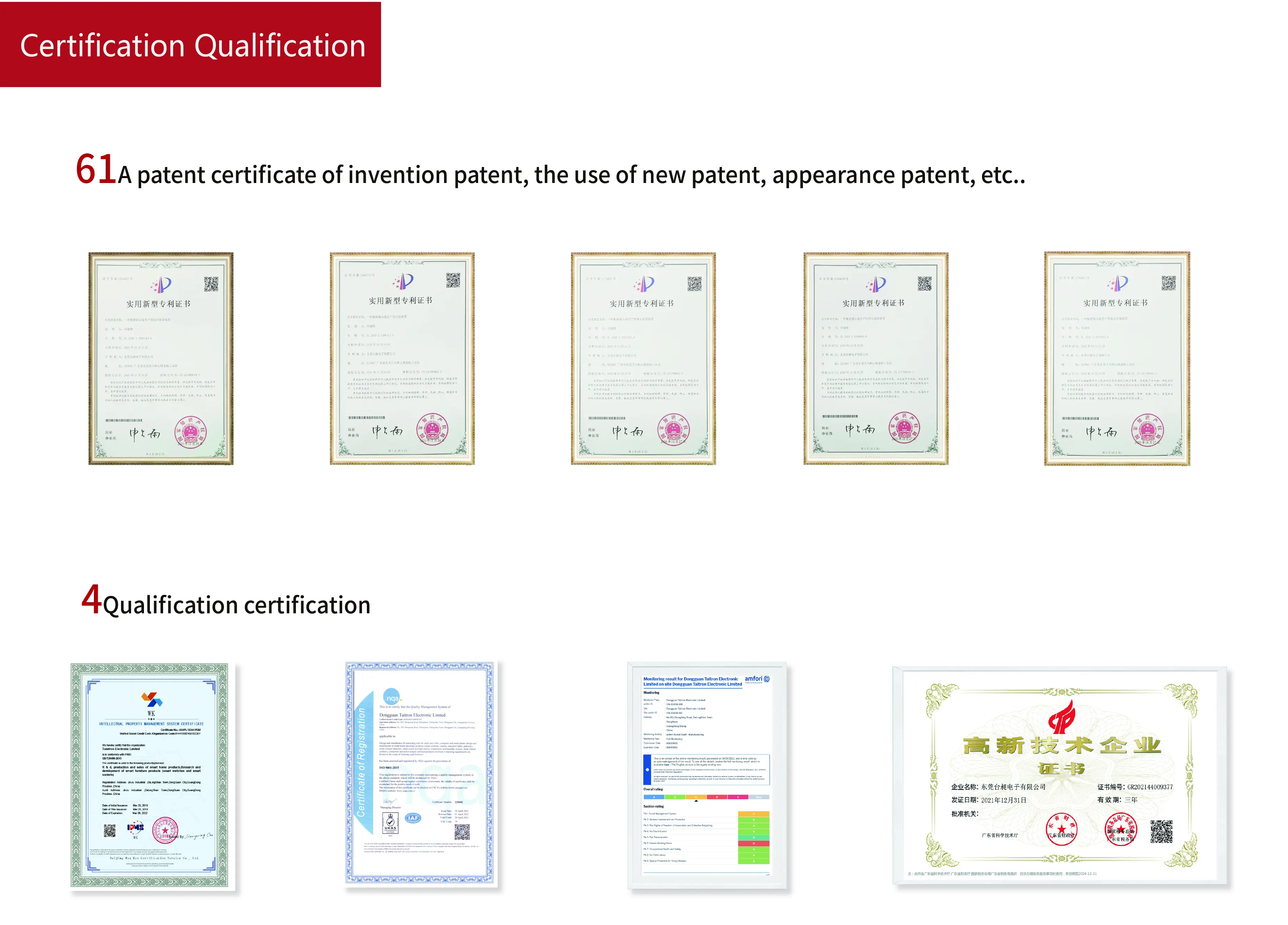
Formerly known as Tonetron — Over 38 years of precision AV & data connection line manufacturing excellence, state-of-the-art testing facility, and world-class OEM/ODM production capacity.
Founded in 1984 in Keelung, Taiwan as Tonetron, the company expanded in 1993 to establish its self-built independent production industrial park in Dalingshan Town, Dongguan City, China, officially renaming as Dongguan Taitron Electronics Limited.
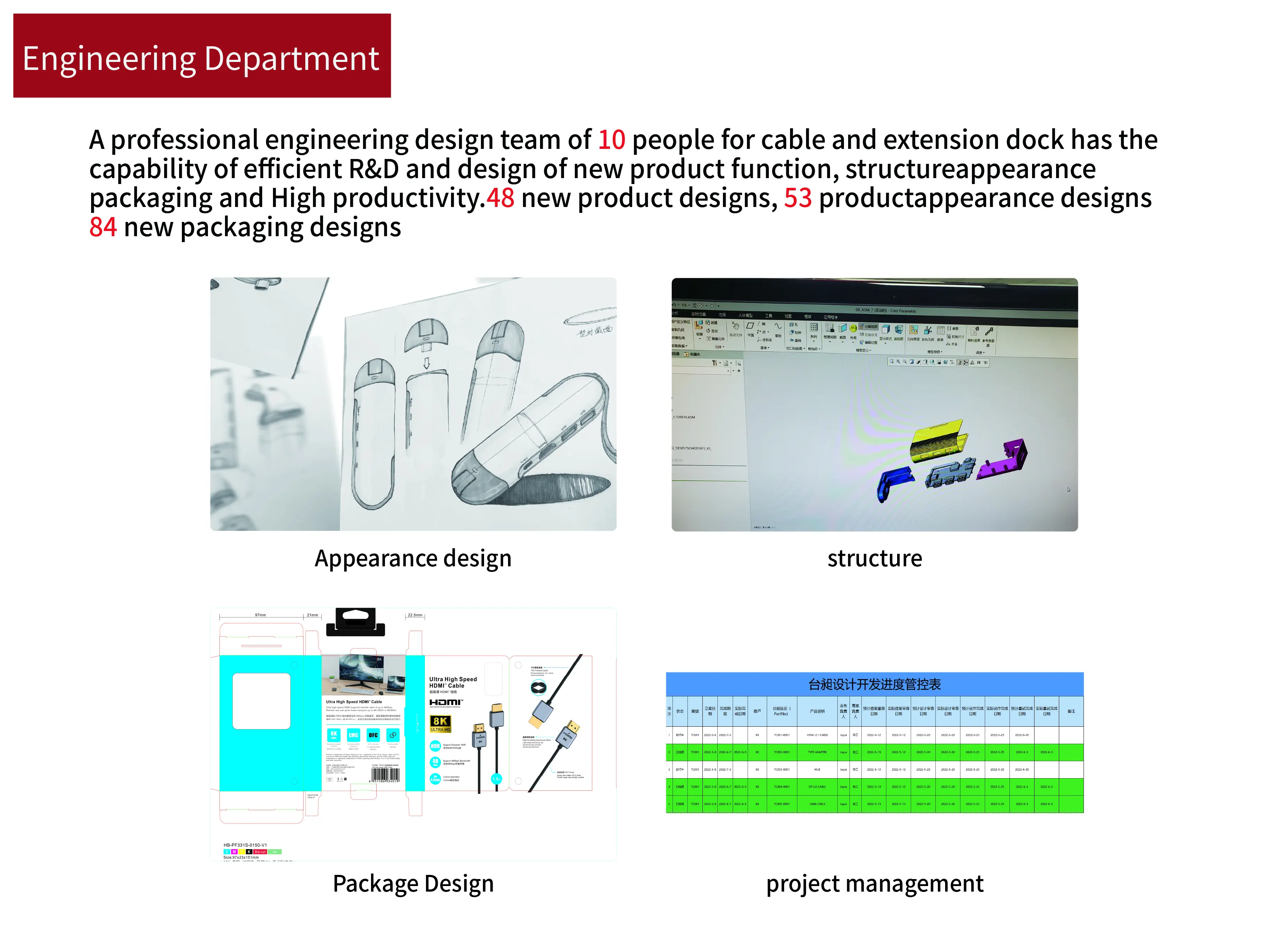
With nearly four decades of technical expertise in professional video and audio peripheral equipment connection lines, Taitron has continuously innovated to stay at the forefront of the high-speed data transmission industry. Our advanced product pipeline encompasses HDMI 2.1 cables, DP 2.0 cables, USB4 data cables, USB-C 3.1 Gen2 high-speed cords, high-power USB-C PD charging cables, 8K ultra-HD conversion dongles, and multi-functional Type-C expansion docking stations.




How enterprise buyers evaluate direct factory quotes and analyze Total Cost of Ownership (TCO) for bulk HDMI interconnect orders.
The bill of materials (BOM) for high-speed HDMI cables is driven by copper market spot prices (OFC vs Bare Copper), dielectric material quality (HD-PE insulation vs PVC), shielding density (braid count, coverage percentage), and shell metallization (zinc alloy vs aluminum alloy vs injection PVC). Demanding 99.99% oxygen-free copper prevents internal micro-cracks during cable bending.
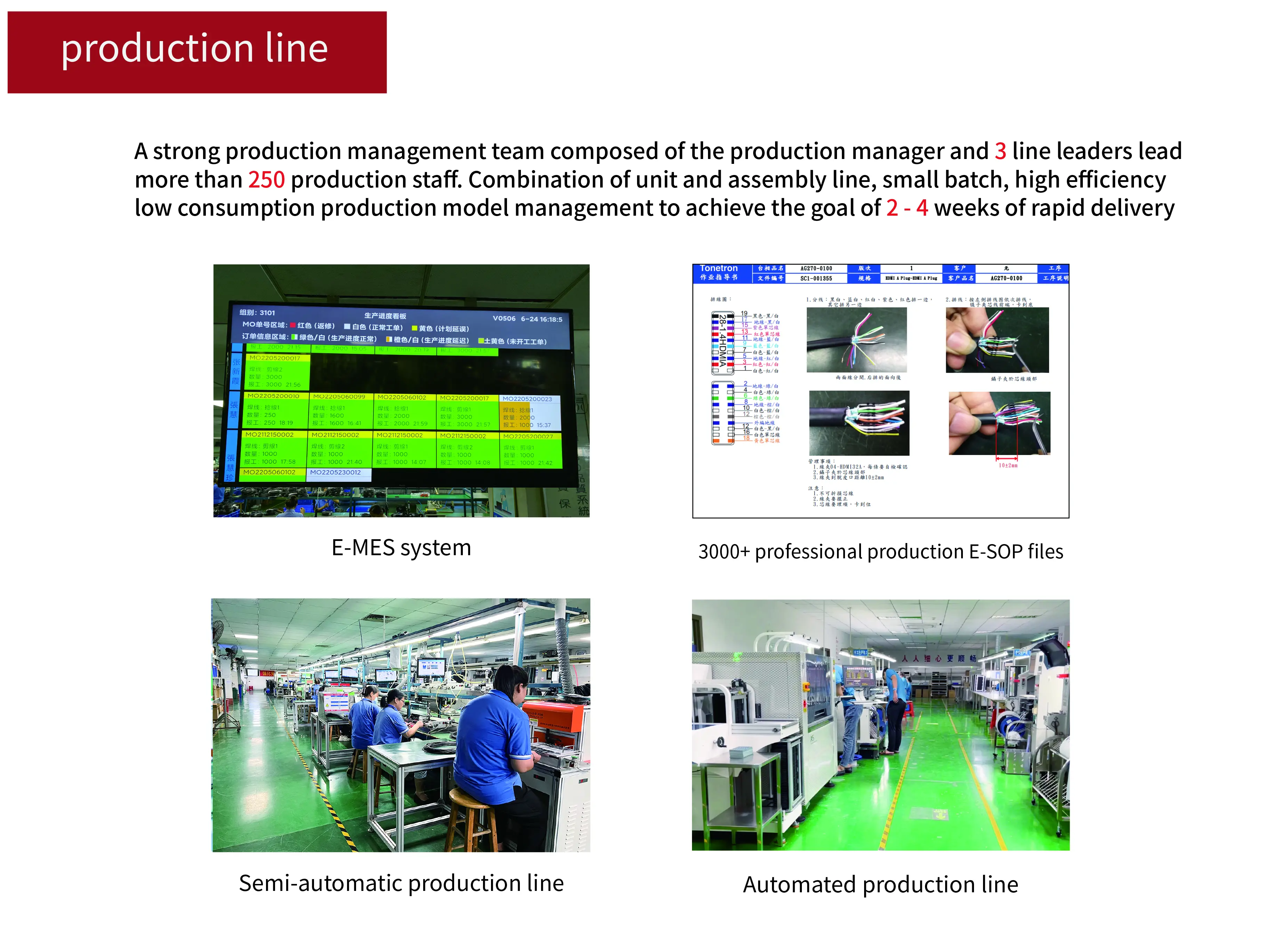
Manual soldering introduces inconsistent impedance spikes at termination points. Premium HDMI suppliers utilize precision automatic laser welding and SMT termination machines to join differential pair leads directly to PCB paddle cards, followed by low-pressure overmolding for environmental sealing and stress relief.
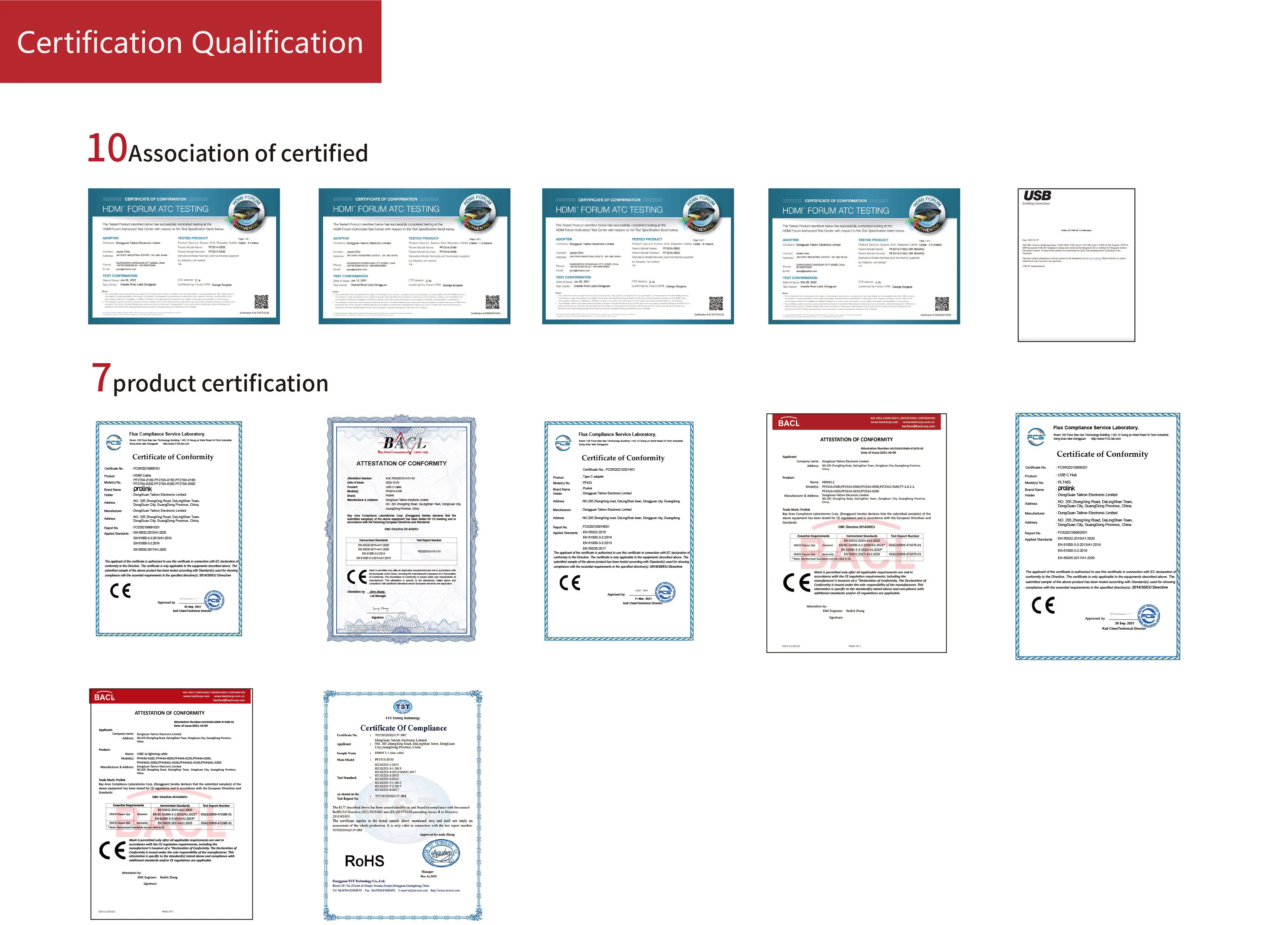
Authentic HDMI 2.1 Ultra High Speed cables must pass rigorous ATC certification protocols to earn the official HDMI Forum QR-code sticker label. Procurement teams must verify that factory quotes include royalties, official testing compliance (RoHS 3, REACH 235, CE, FCC), and traceability documentation.
Deployment considerations across critical global industries, compliance environments, and operational conditions.
High-density broadcast production control centers demand 4K/120Hz zero-drop frame video delivery with low latency. Double-shielded HDMI 2.1 active optical cables (AOC) are deployed in plenum-rated spaces (CMP/CL3) to prevent fire hazards and electromagnetic interference from massive server racks.
Endoscopy suites, surgical monitors, and MRI control rooms require lossless signal clarity without electromagnetic leakage that could affect diagnostic sensors. OEM cables engineered with medical-grade TPE jackets and 100% EMI isolation ensure complete signal compliance under ISO 13485 standards.
Modern luxury vehicle displays and rear-seat entertainment systems rely on automotive-grade HDMI interconnects designed to withstand extreme thermal fluctuations (-40°C to +85°C), high mechanical vibration, and tight routing radius requirements.
Preparing global supply chains for future display revolutions, hybrid copper-optical architectures, and sustainable manufacturing.
Full adoption of 48Gbps Fixed Rate Link across consumer and pro-sumer gear. Standardizing dynamic HDR (HDR10+ / Dolby Vision), Variable Refresh Rate (VRR) for low-latency gaming, and Quick Media Switching (QMS) across all OEM cable series.
As bandwidth requirements reach 80Gbps to 120Gbps (pushing towards 16K display pipelines and uncompressed VR/AR spatial computing), traditional copper reaches physical attenuation limits beyond 2 meters. Active Optical Cables (AOC) integrated with low-power silicon photonics chips will become the standard for medium and long-distance runs.
Global environmental directives (EU Green Deal, RoHS 3, WEEE 2) are mandating zero PVC construction. Manufacturing will shift entirely to Thermoplastic Elastomers (TPE), bio-based outer jackets, and 100% recycled copper conductors to reduce carbon footprints in global technology logistics.
Explore additional specialized HDMI, DisplayPort, VGA, and audio cables certified for industrial supply chains.
Expert answers to common engineering, OEM customization, and bulk ordering inquiries regarding HDMI interconnects.
 Taitron Electronics