In the rapidly evolving landscape of high-speed digital transmission, the "difference" between HDMI cable suppliers is not merely about price—it is about Information Gain, technical compliance, and sustainable supply chain reliability. For global enterprises, sourcing from a factory with deep legacy and R&D capability, such as Dongguan Taitron Electronics, offers a significant competitive advantage over generic trading houses.
The global market for HDMI and data cables is bifurcated between high-volume, low-margin traders and high-value, R&D-driven manufacturers. Expert procurement teams prioritize suppliers that possess internal manufacturing control. Since its inception in 1984 (originally as Tonetron), Taitron has evolved from a local assembly unit to a high-end integrated manufacturer. This trajectory defines the core difference: Vertical Integration.
Industry Expertise
Production Facility
Patented Innovations
Annual Turnover
To meet the rigorous demands of global markets (USA, Europe, Asia), modern manufacturers must prioritize E-E-A-T—not just as an SEO principle, but as a manufacturing philosophy.
Safety is the silent differentiator. Suppliers must adhere to HDMI Licensing Administrator standards, UL, CE, and RoHS compliance. Taitron ensures that every HDMI 2.1 or USB4 cable meets the stringent requirements for high-bandwidth data transmission, preventing signal loss and electromagnetic interference—critical for professional AV setups and data centers.
The "Made in China" label has evolved. By leveraging the industrial clustering in Dongguan, factories like Taitron benefit from rapid supply chain responsiveness. Lead times for new product development are compressed (4-6 weeks), and mass production delivery is streamlined to 2-3 weeks. This agility allows global enterprise clients to stay ahead of market trends, whether it's the shift to 8K resolutions or high-power 240W charging cables.
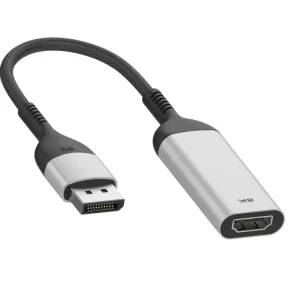
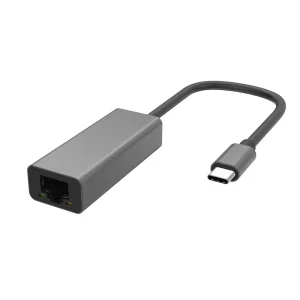
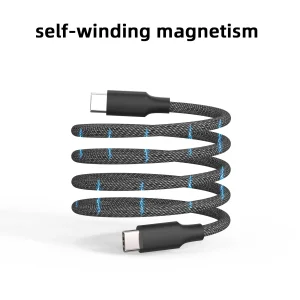
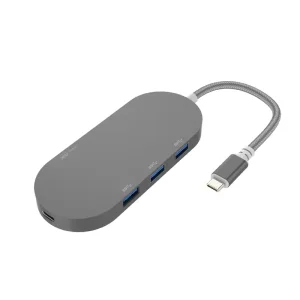
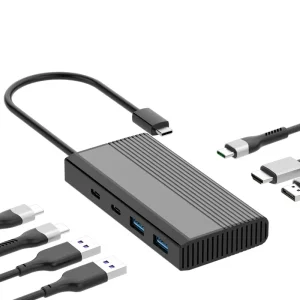
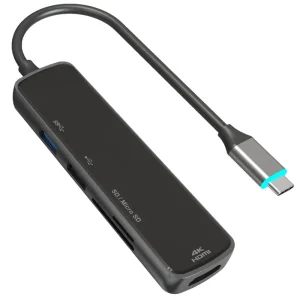
The market is shifting toward multi-functional connectivity. Today's consumer wants a "one-cable-fits-all" solution. We see a massive trend toward:
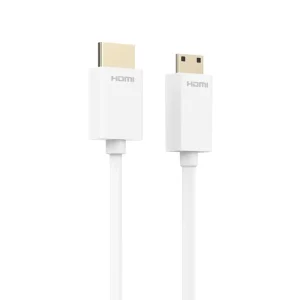
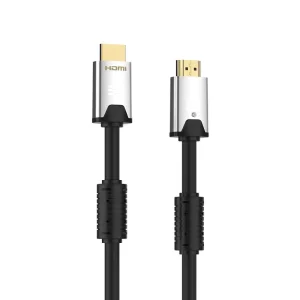
Professional-grade cables feature superior shielding, gold-plated connectors, and standardized internal wiring (AWG gauges) that ensure support for HDMI 2.1 specifications (48Gbps). Cheap cables often lack proper shielding, leading to screen flickering or data loss.
Manufacturing direct means lower costs, direct quality control, faster R&D for custom ODM projects, and better communication regarding technical specifications and regulatory compliance.
For custom ODM projects, our development lead time is typically 4-6 weeks, covering design, prototyping, and testing, followed by mass production readiness in 2-3 weeks.
 Taitron Electronics