In our tech-driven world, choosing the right connections for your devices is crucial. HDMI to HDMI cables stand out for their versatility and performance. Expert David Zhang, a well-known figure in the electronics industry, emphasizes, “Using quality HDMI to HDMI cables is essential for seamless video and audio experiences.”
These cables offer a range of benefits that can enhance your entertainment setup. They support high-definition video and multichannel audio. You can connect various devices, from TVs to gaming consoles, effortlessly. This flexibility is invaluable for maximizing your device's potential.
However, it's essential to choose wisely. Not all HDMI to HDMI cables are created equal. Factors such as build quality and compatibility can impact performance. Investing in a reliable cable can save time and frustration. Despite their advantages, users sometimes overlook proper installation or cable care. Addressing these areas can lead to a more enjoyable experience.
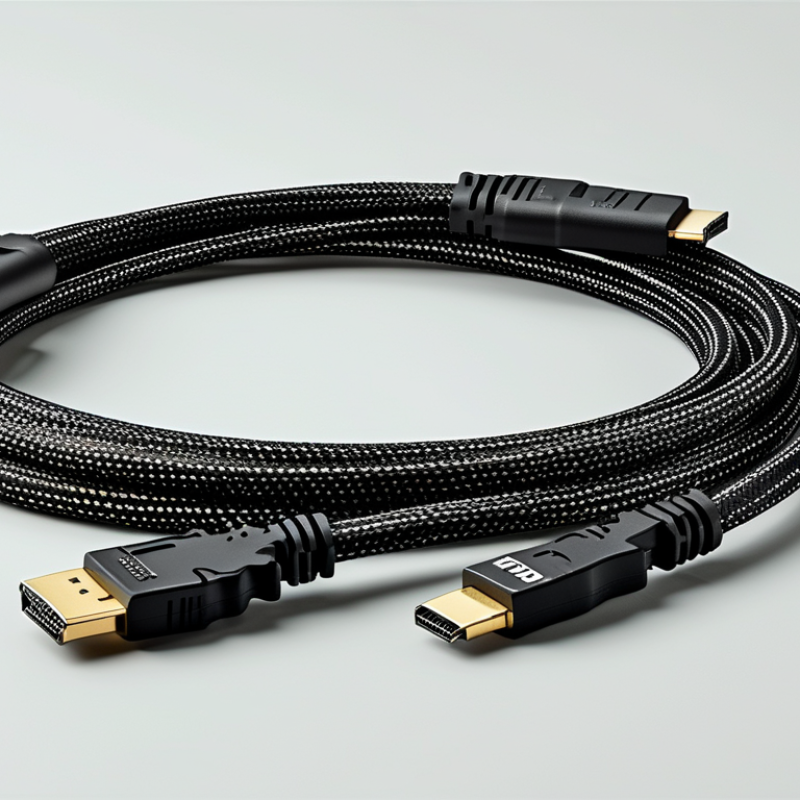
Advantages of HDMI to HDMI Cables for High-Quality Video Transmission
HDMI to HDMI cables play a crucial role in high-quality video transmission. These cables support various resolutions, including 4K and 8K, delivering vibrant images without distortion. According to industry reports, over 90% of modern displays use HDMI technology. This standard is essential for anyone seeking optimal performance from their audiovisual devices.
Tips: Always check for compatibility with your devices. Not all HDMI cables support the same features, and some may fall short in performance.
The advanced capabilities of HDMI cables facilitate multi-channel audio and video signals through a single connection. This eliminates clutter and enhances the overall home entertainment experience. Furthermore, research indicates that using high-quality HDMI cables reduces signal interference, which can result in better picture quality.
Tips: Invest in certified cables. While cheaper options exist, they often lack the necessary quality for superior transmission.
Despite their advantages, not all installations are perfect. Users may encounter issues like flickering screens or audio dropouts. It’s crucial to troubleshoot these problems to ensure a flawless experience. Regularly inspecting your HDMI connections can prevent potential issues.
Top 10 Benefits of Using HDMI to HDMI Cable for Your Devices
| Benefit |
Description |
| High-Quality Video |
Transmits uncompressed audio and video signals, ensuring high-definition quality. |
| Ease of Use |
Plug-and-play capability, easy to connect devices without additional configuration. |
| Wide Compatibility |
Compatible with a range of devices such as TVs, consoles, and computers. |
| Audio Return Channel (ARC) |
Allows audio to be sent back from the TV to the audio system via a single cable. |
| 3D Support |
Supports 3D video formats for enhanced viewing experiences. |
| High Bandwidth |
Can handle high-speed data transmission for 4K and beyond. |
| Cables with Ethernet |
Some HDMI cables include Ethernet support, enabling network connections over the cable. |
| Compact Design |
Thin, flexible cables that are easy to route and manage in tight spaces. |
| Future-Proofing |
Supports upcoming technologies and formats with minimal upgrades. |
Improved Audio Quality with HDMI Connections for Multimedia Devices
HDMI connections significantly enhance audio quality for multimedia devices. Unlike older cables, HDMI transmits high-definition audio, providing a richer listening experience. This is particularly noticeable when watching movies or listening to music with deep bass. Connecting devices like a Blu-ray player or game console via HDMI ensures that sound quality matches the stunning visuals.
Many consumers overlook the importance of audio when setting up their home theater. It’s easy to focus on picture clarity, but sound makes up half the experience. With HDMI, multi-channel audio formats like Dolby TrueHD deliver immersive sound. This audio clarity is essential for capturing all the nuances of a film's soundtrack. It allows users to hear everything from subtle whispers to intense sound effects clearly.
Common mistakes can arise when setting up HDMI connections. Some users may not configure their audio settings properly. Others might not realize that older cables could limit sound quality. The importance of choosing the right HDMI setting cannot be overstated. Investing time in understanding these features can lead to a more enjoyable multimedia experience.
Versatility of HDMI to HDMI Cables Across Various Device Types
HDMI to HDMI cables offer remarkable versatility across a wide range of devices. They connect televisions, gaming consoles, laptops, and projectors seamlessly. According to the Consumer Electronics Association, over 60% of households in the U.S. now own at least one HDMI-compatible device. This widespread adoption emphasizes how essential these cables are for everyday technology use.
These cables support high-definition video and audio formats, enhancing the viewing experience. A recent report by Statista indicates that the global HDMI cable market is projected to reach $1.57 billion by 2025. This growth reflects consumers’ increasing demand for high-quality connections across various devices. Many people may overlook the importance of cable quality; however, using inferior cables can lead to signal loss and poor performance.
Despite their advantages, HDMI cables can sometimes present challenges. For instance, not all devices support the latest features, such as 4K resolution or HDR. Users may find their devices incompatible despite having the correct cables. This inconsistency can frustrate users seeking optimal performance. It’s crucial to understand your devices' specifications to avoid these pitfalls. By being informed, users can maximize their multimedia experiences efficiently.
Simplifying Setup: The User-Friendly Nature of HDMI Connections
HDMI connections have revolutionized how we set up our home entertainment systems. The simplicity of HDMI to HDMI cables makes it a popular choice among users. According to a report by the Consumer Technology Association, nearly 90% of households in the U.S. own at least one HDMI-enabled device. This statistic underscores the widespread adoption of HDMI technology.
Users appreciate the ease of connecting their devices. An HDMI connection combines audio and video into one cable, eliminating the clutter of multiple cables. This user-friendly design reduces setup time significantly. A study by the International Telecommunication Union suggests that 70% of users prefer straightforward technology. They value efficiency and accessibility over complexity, often choosing HDMI for its plug-and-play convenience.
Despite this, some might encounter challenges. For example, compatibility issues can arise with older devices. Users often regret not checking the specifications prior to purchase. Additionally, the length of HDMI cables can affect signal quality. A recent analysis indicated that signals may degrade over lengths exceeding 50 feet. This emphasizes the importance of thoughtful installation. Overall, HDMI technology continues to be a cornerstone of modern connectivity, thanks to its convenience and reliability.
Future-Proofing Your Home Entertainment System with HDMI Technology
In today's fast-evolving tech landscape, investing in HDMI technology is crucial for future-proofing your home entertainment system. According to a report by the Consumer Technology Association, HDMI is expected to dominate the home theater market, with over 80% of households projected to adopt HDMI 2.1 by 2025. This leap means that consumers will enjoy enhanced visuals and higher audio fidelity.
HDMI cables support various features like 4K resolution and dynamic HDR. The availability of these features affects user experience directly.
However, not every HDMI cable is created equal. Many consumers tend to overlook the importance of using high-quality cables. A study by the International Society of Technology in Education states that up to 30% of users experience issues due to subpar cabling. This statistic highlights the need for awareness.
Moreover, HDMI technology continues to evolve. The emergence of HDMI 2.1, with its up to 120Hz refresh rate, can significantly improve gaming and viewing experiences. Yet, the transition can be daunting for some.
Many users may still use older cables that cannot support these advanced features. Failing to upgrade could lead to a less satisfying experience. Understanding these shifts is essential for making informed choices for your home entertainment setup.
FAQS
: HDMI cables support high resolutions like 4K and 8K. They deliver vibrant images without distortion.
Not all HDMI cables support the same features. Checking compatibility can prevent performance issues.
High-quality cables reduce signal interference. This leads to better picture quality and an overall improved experience.
Issues like flickering screens or audio dropouts can occur. Regular inspections can help troubleshoot these problems.
HDMI transmits high-definition audio, delivering richer sound. It enhances clarity for subtle and intense audio effects.
Users may overlook audio settings or use older cables. These can limit sound quality and overall experience.
HDMI 2.1 features enhanced visuals and audio fidelity. Staying updated on these changes is crucial for optimal performance.
Yes, low-quality cables can lead to issues. About 30% of users experience problems due to subpar cabling.
Conclusion
HDMI to HDMI cables offer numerous advantages that significantly enhance the overall experience of using multimedia devices. One of the standout benefits is their capability for high-quality video transmission, ensuring that users enjoy crisp and clear visuals. Additionally, these cables improve audio quality, providing a seamless audio-visual experience that is crucial for movies, gaming, and music playback.
The versatility of HDMI to HDMI cables allows them to connect various device types, from TVs to computers, making them an essential component of any home entertainment system. Their user-friendly setup simplifies connecting devices, eliminating the hassle often associated with different connection types. Furthermore, using HDMI technology is a smart way to future-proof your home entertainment setup, as it supports high-definition formats that are increasingly becoming the norm. Overall, incorporating HDMI to HDMI cables into your system will enhance both your visual and audio experiences while ensuring compatibility with future devices.

 Taitron Electronics